When Is Passover 2026?
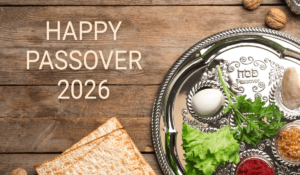
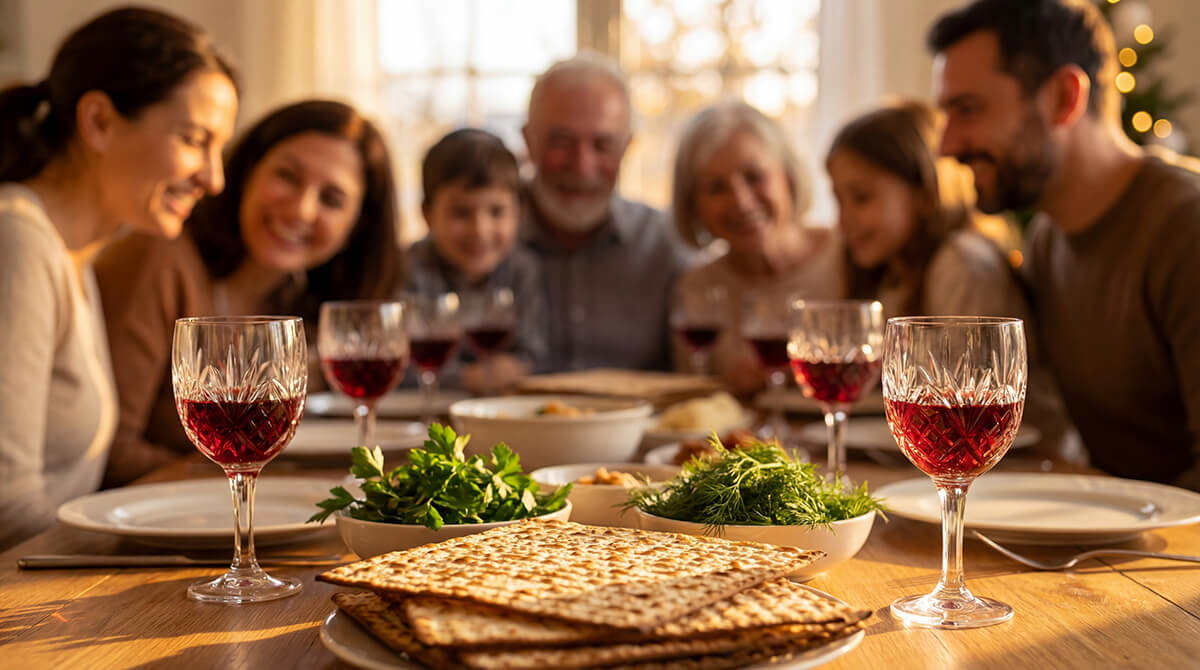
Passover (Pesach) follows the Hebrew calendar and begins on the 15th of Nisan. This year, it starts at sundown on Wednesday, April 1, 2026, marking the beginning of the holiday and the first night of the Seder dinner. In Israel, Passover lasts seven days, with only the first night featuring a Seder.
The “Extra Night” Tradition: If you’re celebrating in the US, London, or anywhere outside of Israel, you get the “Double Seder” experience. While Israel wraps the formal ritual after one night, the Diaspora tradition adds a second Seder on Thursday night. Think of it as a beautiful opportunity for redemption, or, more practically, a second chance to get the brisket exactly right.
Passover 2026 (Outside Israel):
- First night of Passover: Wednesday evening, April 1, 2026
- Second night of Passover: Thursday evening, April 2, 2026
- Passover ends: Thursday night, April 9, 2026
For more details check out our Complete Guide to Passover 2026.
The Passover Seder: Meaning and Tradition
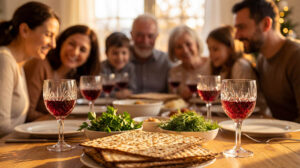
The word “Seder” means “order” in Hebrew, reflecting the structured format participants follow using a book called the Haggadah. At its heart, the Seder is a 15-step ritual meal that commemorates the Israelites’ journey from Egyptian slavery to freedom. We use a book called the Haggadah (the “script” for the night) to guide us through storytelling, songs, and the drinking of four cups of wine. (Yes, four! It helps with the singing.)
At our Seder, we pass the Haggadah around so everyone gets a turn to read, which naturally leads to questions, debates, and the occasional “Wait, what does that mean?” It keeps the conversation lively and connects the ancient story of the Exodus to our lives today. But honestly, the real MVPs of the night are the kids. Getting them involved in the storytelling, whether they’re asking the Four Questions, hunting for the afikoman, or acting out the plagues with props, makes the whole evening come alive. A little chaos, a lot of laughter, and everyone leaves remembering not just the story, but the experience.
First Night Essentials: Your Passover Seder Checklist
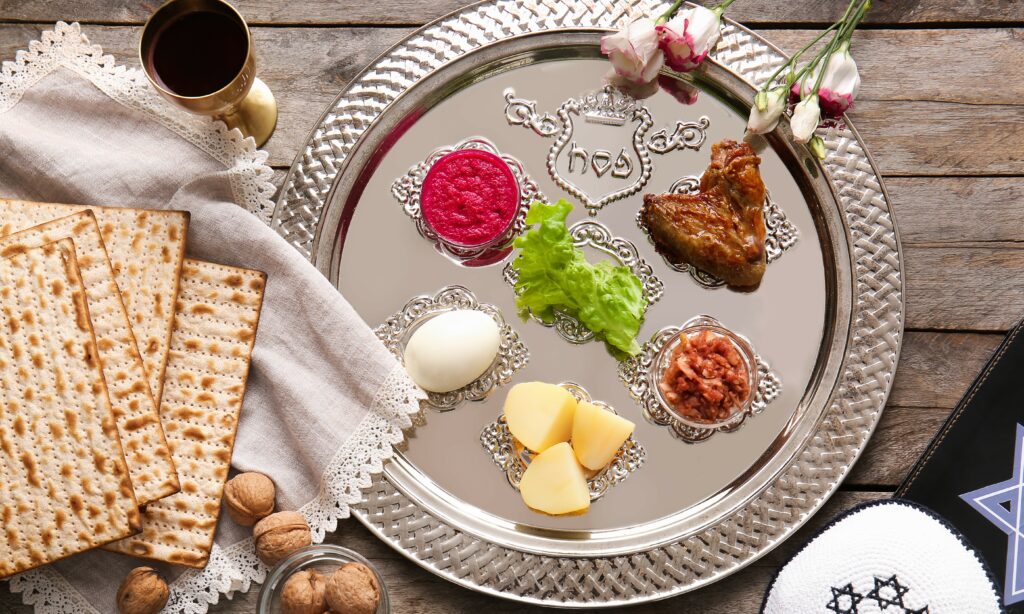
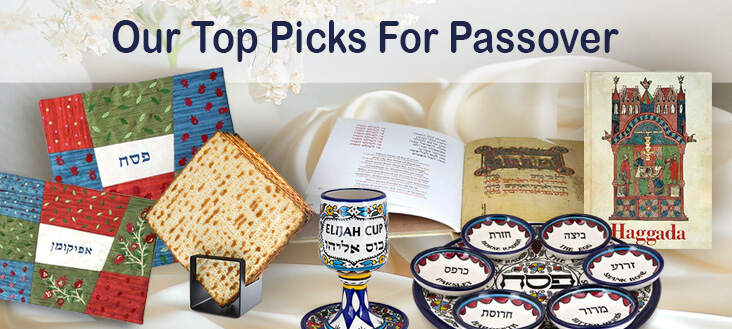
To host a meaningful and beautiful Seder, you will need several essential items beyond the food itself. At the center of the table is the Seder plate, which holds the symbolic foods that recount the story of the Exodus. A matzah cover holds the three pieces of matzah used during the ceremony, and an afikoman bag keeps the hidden matzah safe until the children search for it later in the evening.
You will also need wine cups or a Kiddush cup for the blessings over the four cups of wine, as well as a Haggadah (Seder book) for each participant to guide the order of the Seder and its readings.
Whether you are starting your collection or updating your Seder essentials, thoughtfully chosen Judaica can make the evening even more special and festive.
✓ Tip: Check in with your guests in advance about any dietary needs so you have time to prepare. Do they eat kitniyot? Would they prefer grape juice instead of wine? Does anyone need a vegan option?
Must-Haves for the First Seder Night
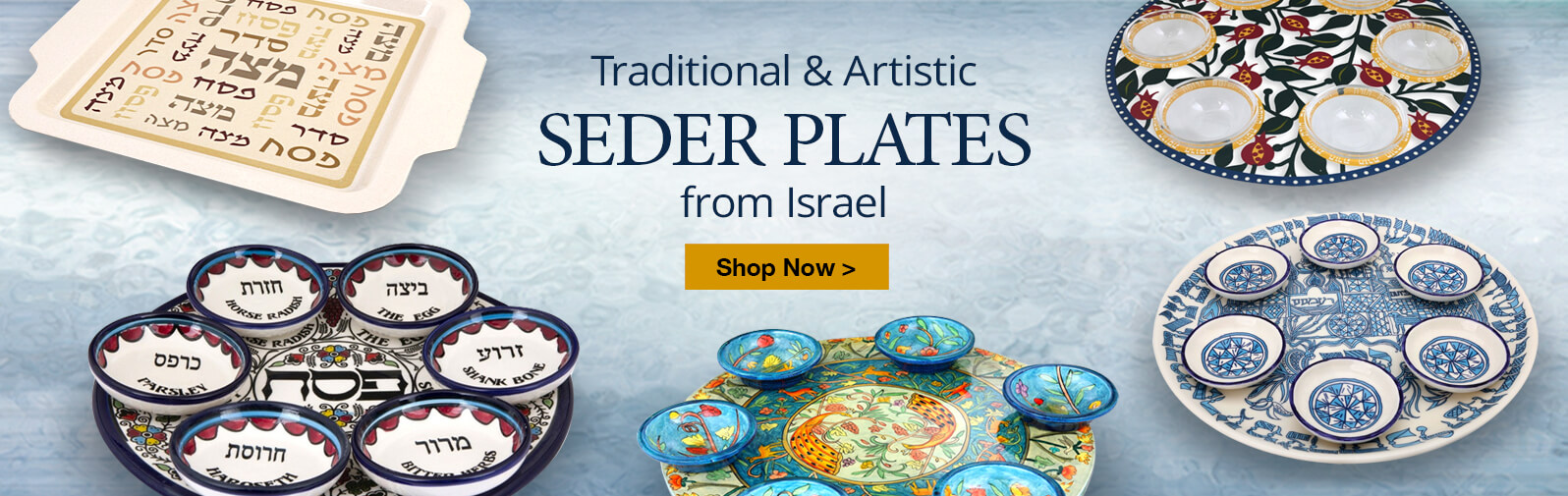
Passover Seder Plate
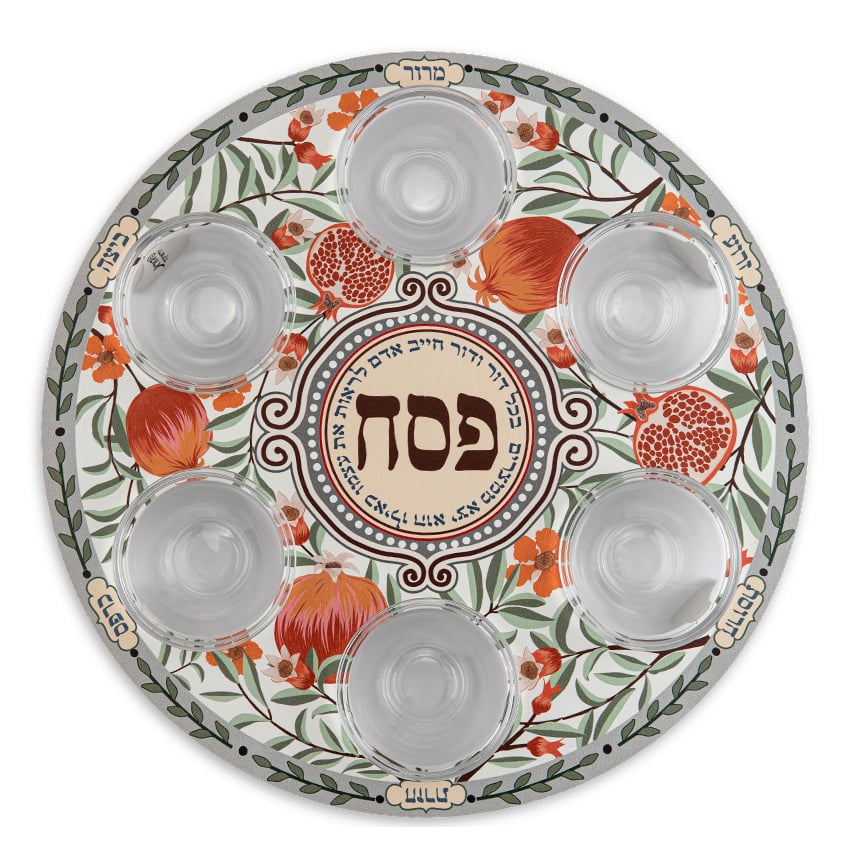
The Seder plate is the centerpiece of your Passover table, holding six symbolic foods that tell the story of the Exodus. Each item represents a different aspect of the journey from slavery to freedom: bitter herbs (maror) for the bitterness of slavery, charoset (a sweet mixture of apples, nuts, and wine) symbolizing the mortar used in forced labor, and so on. Throughout the Seder, you’ll refer back to these items as you read the Haggadah, using them to bring the ancient story to life in a tangible, memorable way.
See our selection of Seder Plates from Israel.
Kiddush Cups
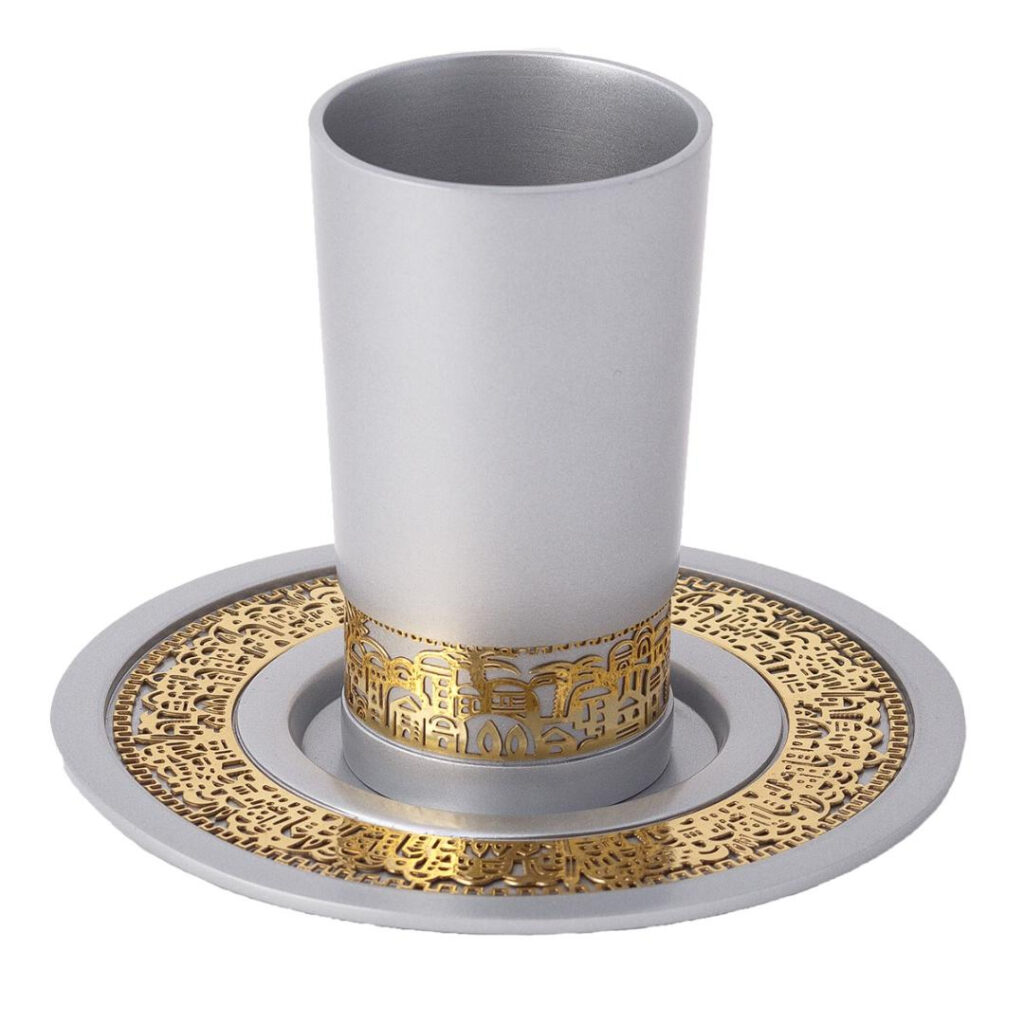
Your wine vessel for the evening, you’ll be drinking four cups of wine throughout the ceremony, each one marking a different stage of the redemption story. Traditionally, people use a special, often ornate cup to elevate the ritual. Many families also set out a dedicated cup for Elijah the Prophet, which sits untouched at the center of the table as a symbol of hope and future redemption.
See our selection of Kiddush Cup from Israel.
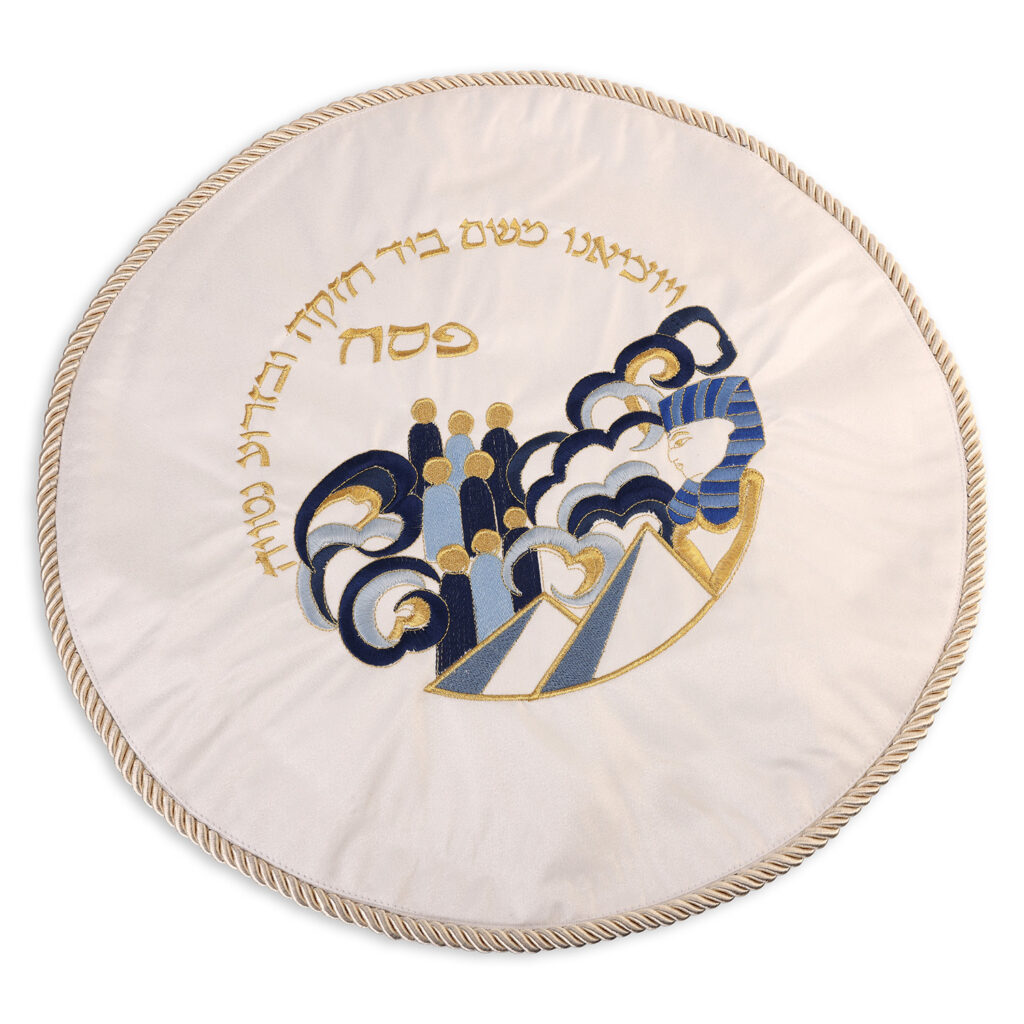
Matzah Cover
A decorative cloth used to hold and cover the three matzot (plural of matzah) used during the Seder. These three pieces of matzah represent different aspects of Jewish identity and the Exodus story, and keeping them covered until they’re needed is part of the traditional ritual. Most matzah covers feature three separate pockets or compartments, one for each matzah, making it easy to access the specific piece you need at each stage of the Seder.
See our selection of Matzah Covers from Israel.
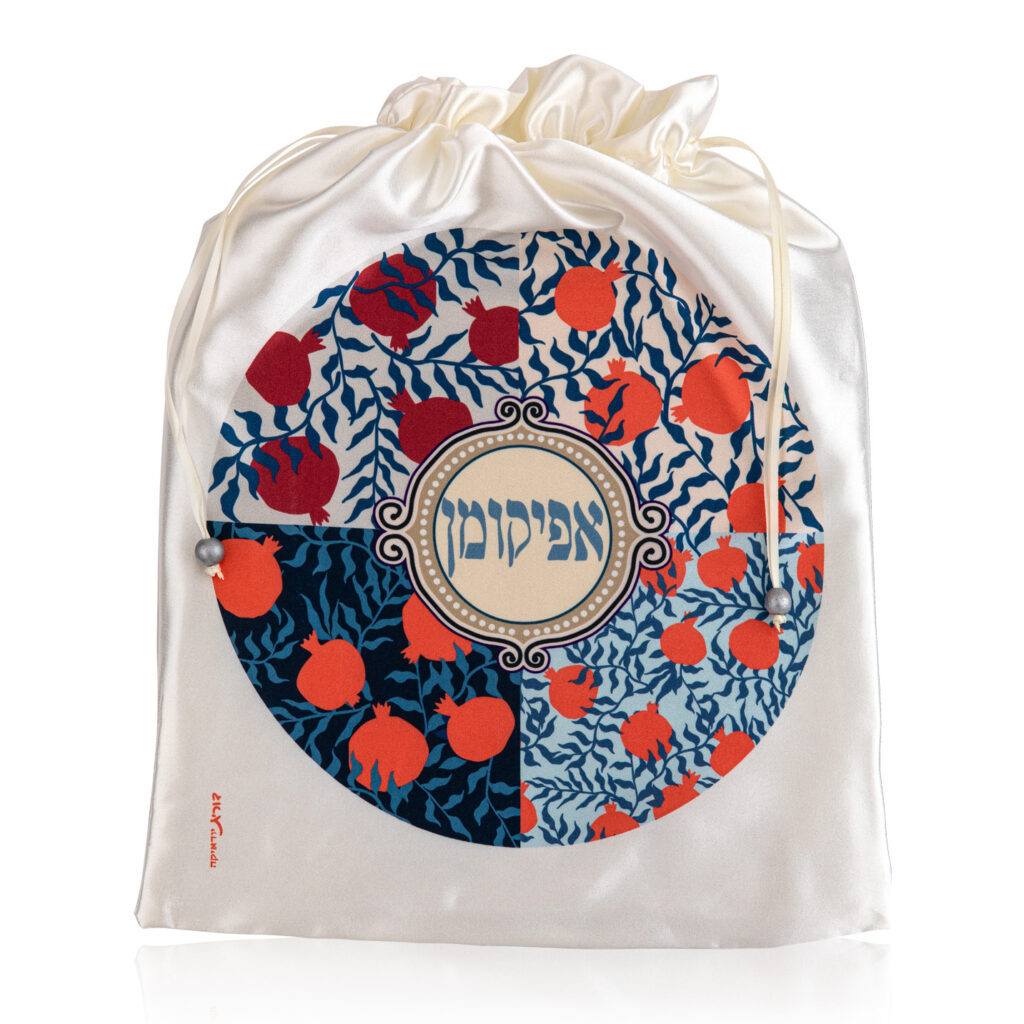
Afikoman Bag
The afikoman bag is a small pouch used to hold the larger piece of matzah that’s broken off and set aside until later in the Seder. This piece, called the afikoman, will be eaten at the end of the meal as the final taste of the evening. In many families, the afikoman is hidden by the kids and the bag makes it easy to transport and conceal. When the children find it, they often negotiate a small prize or gift in exchange for its return, keeping them engaged and awake during the long Seder.
See our selection of Afikoman bags from Israel.
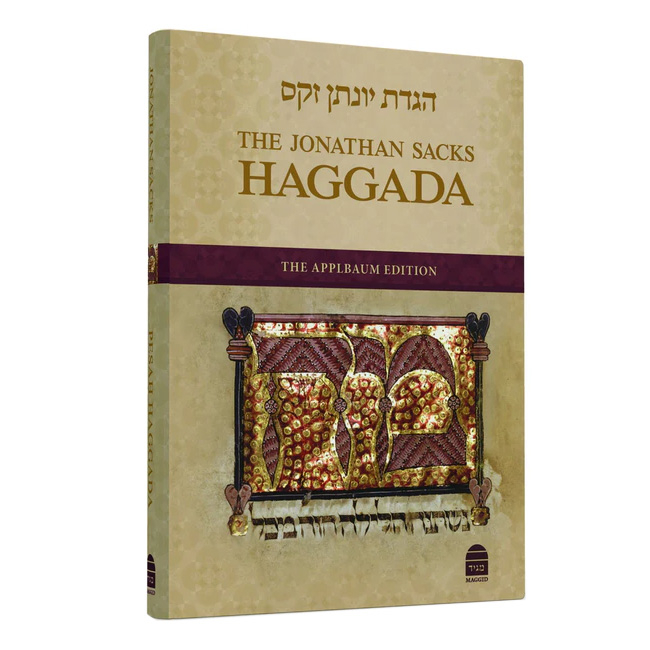
Hagaddah
The guidebook for the Passover Seder a special book that contains the prayers, blessings, songs, and narrative that structure the entire evening. The word “Haggadah” means “telling” in Hebrew, reflecting its central purpose: to retell the story of the Exodus from Egypt in a way that’s engaging, educational, and spiritually meaningful. It walks participants through each of the 15 steps of the Seder, from the opening blessings over wine to the final songs of praise.
See our Haggadah selection from Israel.
The 15 Steps of the Seder
As mentioned, “Seder” means “order” in Hebrew, and the evening follows a carefully structured sequence of blessings, rituals, storytelling, and feasting. Below is an overview of each step and what it signifies throughout the night.
1. The Blessing (Kiddush)
2. Washing of the hands
3. Karpas – Dipping the Vegetables
4. Breaking the Matzah
5. Reading the Haggadah
6. Washing Before the Meal
7. The Blessing over Matzah
8. We Eat the Matzah
9. Maror – Bitter Herbs
10. The Hillel Sandwich
11. The Passover Feast
12. Dessert – More Matzah
13. Blessings After the Meal
14. Hallel – Songs of Praise
15. Conclusion of the Seder
✓ Tip: Over the years, I’ve learned to give guests a little heads‑up before we begin the Seder. It keeps everyone, especially those new to the experience, from wondering when the food is finally coming, and it makes the whole evening feel smoother and more relaxed.
1. The Blessing (Kiddush)
The Seder opens with the recitation of Kiddush, sanctifying the holiness of the festival. This blessing is recited over the first of four cups of wine that participants will drink (while reclining) throughout the evening.
Why do we drink 4 cups of Wine? – Wine is a symbol of royalty and freedom, the perfect drink to celebrate our liberation from Egypt. We drink four cups during the Seder to honor God’s four promises of redemption in Exodus 6:6-8: “I shall take you out,” “I shall rescue you,” “I shall redeem you,” and “I shall take you.” Each cup transforms a simple act into a powerful ritual of gratitude and remembrance.
Why do we recline while drinking? – When drinking the four cups of wine and eating the matzah, participants traditionally lean to the left as a symbol of freedom. In ancient times, reclining while dining was a privilege reserved only for free people, making this posture a powerful reminder of our liberation.
2. Washing of the hands
Here’s where things start to get interesting. Normally, at any festive or Shabbat meal, you would make a blessing over wine, wash your hands with a blessing, and then move on to the bread. Simple, right? On Seder night, we intentionally do something unusual to spark curiosity, especially among the children, who are bound to ask, “Wait, why are we doing it this way?” And just like that, the tone is set for an evening filled with questions, discovery, and storytelling.
“Urchatz” is the washing of the hands before eating the Karpas. Halachically, any food dipped in one of seven specific liquids, including water, requires hand-washing to maintain ritual purity. While many are lenient about this during the year, it is carefully observed at the Seder to honor the night’s added holiness. No blessing is recited for this first washing. In most homes, everyone washes, ideally with a basin and towel brought to the table so the unusual ritual itself draws attention. In some families, only the head of the household washes, maintaining that one person’s action is sufficient to spark the children’s questions.
3. Karpas – Dipping the Vegetables
A small piece of vegetable, commonly parsley, though Ashkenazi families often opt for a boiled potato or onion, is dipped into salt water (or vinegar, in some Sephardi traditions) and eaten after reciting the blessing over vegetables. The salt water represents the tears shed by the Israelites during their slavery in Egypt, adding a layer of symbolism to what might otherwise seem like an odd appetizer. For a deeper look at the foods that shape the Seder experience, take a look at our complete Seder plate items guide.
4. Breaking the Matzah
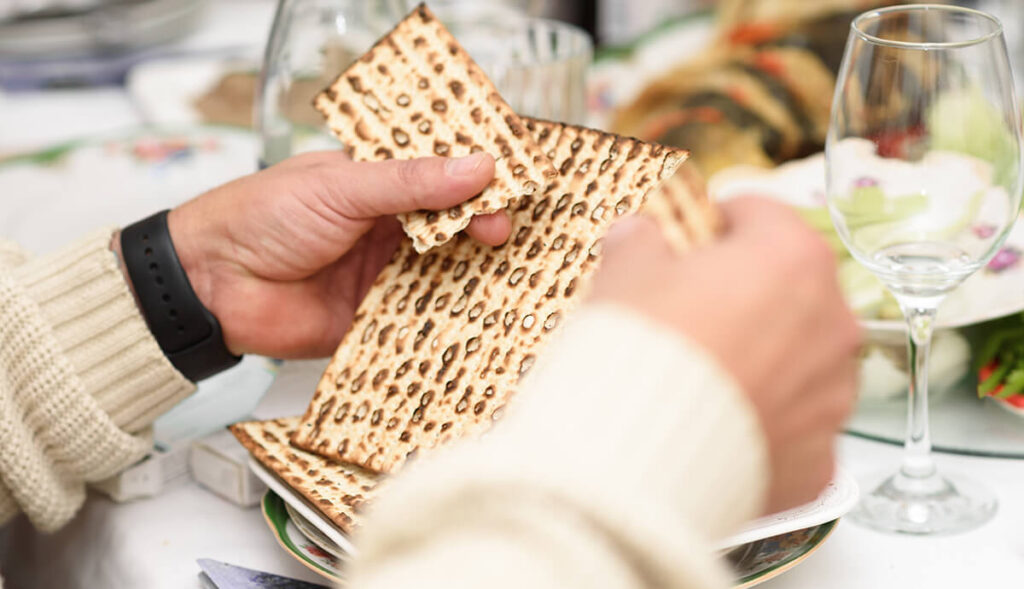
The middle matzah from the Seder plate is divided into two pieces. The smaller portion is placed back on the plate, where it stays visible throughout the retelling of the Exodus narrative as the “bread of affliction”, a reminder of our ancestors’ slavery and will be consumed during the meal. The larger half is set aside to serve as the afikoman, the ceremonial matzah eaten at the Seder’s conclusion. As mentioned many families have the custom of hiding the afikoman for children to find, with a promised gift as their reward.
5. Reading the Haggadah
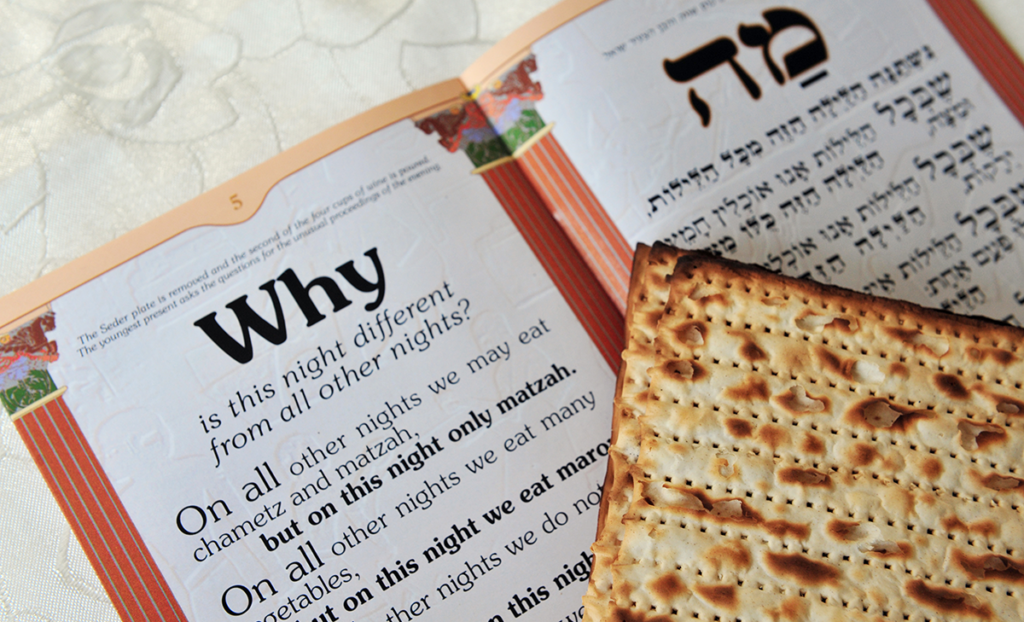
Finally, the moment everyone’s been waiting for, it’s time to tell the story. The Seder plate is moved aside, a second cup of wine is poured, and traditionally the youngest participant asks the famous Four Questions:
“Mah nishtanah ha-lailah hazeh mikol ha-leilot? Why is this night different from all other nights?”
Why only matzah?
Why the double dipping?
Why bitter herbs?
Why are we reclining like royalty?
These questions kick off the heart of the evening, reading the Haggadah and retelling the story of the Exodus. It’s a mix of history, meaning, and a little bit of drama, from the Israelites’ hardship to the Ten Plagues and the miracles that followed. We wrap it all up with gratitude for the freedom we have today and a hopeful look toward the redemption still ahead.
6. Washing Before the Meal
After wrapping up the first half of the Haggadah and drinking the second cup of wine (leaning to the left, of course), it’s time to wash our hands again, but this time with the full blessing. Earlier in the evening, we washed without saying anything, which likely raised a few eyebrows. Now, as we prepare to eat the matzah, which takes the place of bread at our Seder table, we wash our hands the traditional way, just as we would before any meal with bread. It’s a small but meaningful ritual that marks the transition from storytelling to the festive meal ahead.
7. The Blessing over Matzah
Now comes the main event, eating the matzah! Gather all three matzahs, the two whole ones with the broken piece tucked in the middle, and say the regular blessing over bread, Hamozi. Then let the bottom matzah rest back on the plate, and hold onto the top whole matzah together with the broken middle one. Over those two, say the special blessing for matzah. Simple, meaningful, and very on‑brand for the Seder.
8. We Eat the Matzah
Next up: the matzah bite! Break off a piece from the top matzah and about an ounce, 28 grams, from the middle one (yes, an ounce from each is the ideal… it’s definitely a hearty mouthful). Eat them together while reclining to the left. It might feel like a lot of matzah all at once, but this is the big moment, lean in, enjoy it, and embrace the crunch, even if it’s a little on the dry side.
✓ Tip: Some have the custom of leaning their left elbow on the table or eating the matzah in a bag to avoid matzah crumbs getting on the table and getting mixed with water. Mention this or any other family tradition to your guests.
9. Maror – Bitter Herbs
This is where things get real: eating the maror, or bitter herb, allows us to physically taste the bitterness and harshness of slavery our ancestors endured. Today, most Jewish families use freshly grated horseradish, which delivers an unmistakable kick.
Traditionally, maror was likely a bitter lettuce like romaine or a sharp root such as chicory, greens that start off mild and sweet when you first bite into them, but quickly turn bitter the more you chew. This mirrors the experience of the Israelites in Egypt: at first, life may have seemed tolerable, even promising, but it soon became unbearably harsh.
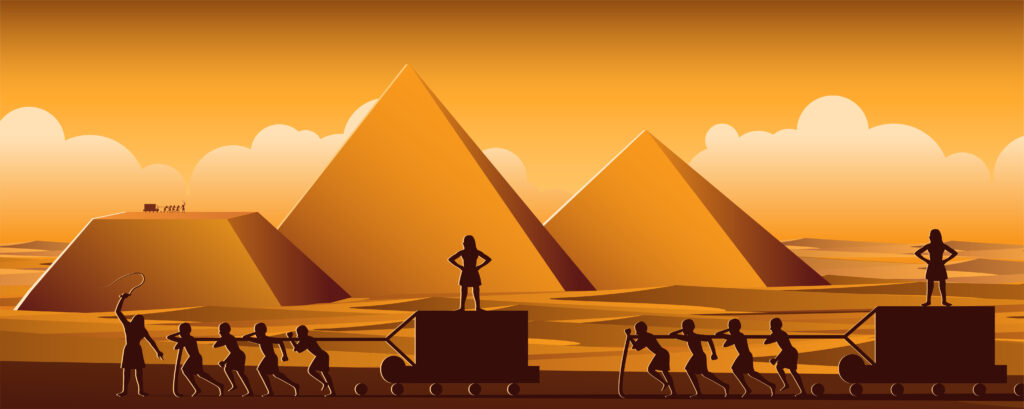
Before eating the maror, we dip it into the charoset, that sweet, chunky mixture of apples, nuts, and wine. This pairing isn’t random: it connects the bitterness of slavery with the backbreaking labor (symbolized by the mortar-like charoset) that caused so much suffering. It’s a powerful, sensory reminder of what freedom cost.
10. The Hillel Sandwich
This next step honors an ancient custom from Hillel, one of the greatest sages of the Talmud. He believed that matzah and maror should be eaten together as a sandwich, combining the bread of affliction with the bitterness of slavery in one symbolic bite. To follow his tradition, break off two pieces from the bottom matzah, together they should be at least one ounce.
Then take at least an ounce of bitter herbs, dip them into the charoset, give it a little shake to remove the excess, and place the maror between the two pieces of matzah. Before eating, say the phrase “kein asah Hillel…” (“This is what Hillel did…”), acknowledging his practice, then eat the sandwich while reclining to the left. It’s a humble but meaningful moment, literally tasting history in every bite.
If you would like to explore each symbolic food in more detail, have a look at our Definitive Guide to Seder Plate Items: Meaning, Symbolism, and Tradition. If you are preparing a vegan Seder, you may also find our guide to creating a vegan Passover Seder plate helpful.
11. The Passover Feast
Now comes the moment everyone’s been waiting for, the festive Passover meal! We begin by eating a hard-boiled egg dipped in salt water. Traditionally associated with mourning, the egg serves as a bittersweet reminder that our Seder table lacks the Passover lamb that was once offered in the Temple in Jerusalem.
From here, the meal unfolds with beloved family recipes and time-honored dishes that vary beautifully across Jewish traditions. In Ashkenazi homes, you’ll often find classics like gefilte fish, matzah ball soup (a must!), roasted chicken or brisket, and side dishes like tzimmes (sweet carrots and prunes) or potato kugel. Everything is, of course, made without chametz (leavened grain).
Sephardi and Mizrahi Seders bring their own rich culinary traditions to the table. Depending on the community, you might enjoy dishes like kibbeh (stuffed bulgur dumplings, made Pesach-friendly), slow-cooked lamb or m’rouzia (Moroccan lamb tagine with raisins and almonds), mina (a layered matzah pie with meat or vegetables), or vibrant salads with fresh herbs. Rice is permissible in many Sephardi customs, opening the door to flavorful pilafs and stuffed vegetables.
No matter the menu, the Seder meal is a joyful celebration, a time to relax, savor delicious food, share stories, and enjoy the company of loved ones around the table.
12. Dessert – More Matzah
Now it’s time for one of the most anticipated moments of the evening, especially for the kids! The larger piece of matzah that was broken earlier and set aside (or hidden by the adults, or “stolen” by the children, depending on your family tradition) is brought out. This is the afikoman, which means “dessert,” though it’s not sweet, it’s simply the final piece of matzah we eat during the Seder.
Everyone at the table should eat at least 1½ ounces, 42 grams, of the afikoman (that’s about half a machine matzah, or a generous piece of hand-made shmura matzah), while reclining to the left, and ideally before midnight. Once the afikoman is eaten, the meal is officially over, no more food or drink is allowed, except for the two remaining cups of wine. The evening now shifts from feasting back to ritual, gratitude, and song.
13. Blessings After the Meal
With the meal complete and the afikoman eaten, it’s time to give thanks. A third cup of wine is poured, and we recite Birkat Hamazon, the Grace After Meals, a beautiful series of blessings expressing gratitude to God for sustaining us, for the Land of Israel, and for all the goodness in our lives. After the Grace is concluded, we recite the blessing over wine and drink the third cup while reclining to the left.
Now comes one of the most magical and moving moments of the Seder. We refill our own cups and also pour a special cup for Elijah the Prophet, Kos shel Eliyahu. According to tradition, Elijah travels from Seder to Seder on Passover night, visiting Jewish homes around the world. He is seen as the herald of redemption, the one who will announce the coming of Moshiach, the righteous Messiah.
Someone at the table opens the front door (often the children rush to do this!), and together we recite a passage inviting Elijah to join us. It’s a moment filled with hope, wonder, and a deep longing for ultimate peace and freedom, not just for ourselves, but for all of humanity. As the door stands open, there’s a sense that anything is possible, and that redemption may be just around the corner.
14. Hallel – Songs of Praise
At this point in the evening, having acknowledged God’s hand in our personal and collective redemption, we now lift our voices even higher. Through Hallel, a collection of psalms of praise and thanksgiving, we celebrate not only His role as the Redeemer of the Jewish people, but as the Creator and Master of the entire universe. These ancient songs are filled with joy, gratitude, and awe, sung together as a community in recognition of all God’s miracles, past and future.
After completing the Hallel, we recite the blessing over wine one final time and drink the fourth cup while reclining to the left. This cup represents the culmination of the Seder’s journey, from slavery to freedom, from darkness to light, from song to redemption.
15. Conclusion of the Seder
Having carried out the Seder with care, intention, and joy, we trust that our observance has been received favorably by the Almighty. The rituals are complete, the story has been told, and the night has fulfilled its sacred purpose. As we close the Seder, we turn our hearts toward the future and proclaim together with hope and longing:
“L’shanah haba’ah b’Yerushalayim -Next year in Jerusalem!”
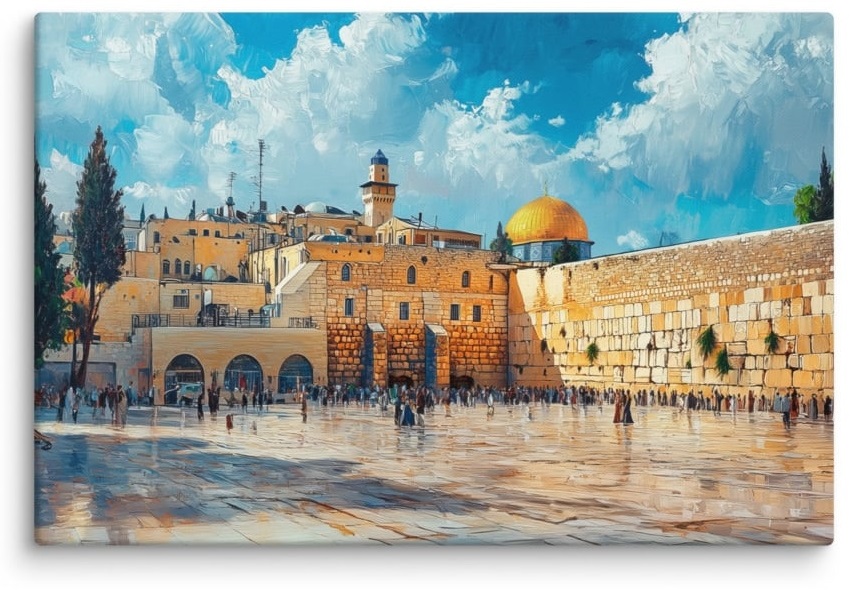
This powerful declaration isn’t just about a place, it’s a prayer for ultimate redemption, for the rebuilding of the Temple, and for a time when all of humanity will live in peace and freedom. Whether said in Jerusalem itself or across the world, these words carry the timeless hope that has sustained the Jewish people for generations: that next year, we will celebrate not just freedom from the past, but the complete and final redemption.
To make your Seder table even more beautiful
While the Seder table has its must‑haves, there are also those extra touches that bring the whole evening to life. These pieces aren’t required by any means, every family has its own rhythm and traditions, but they add beauty, meaning, and a bit of personality to the celebration. They help set the tone and atmosphere, making guests feel like they’ve stepped into a holiday experience that’s both timeless and uniquely yours.
Shabbat and Holiday candlestick
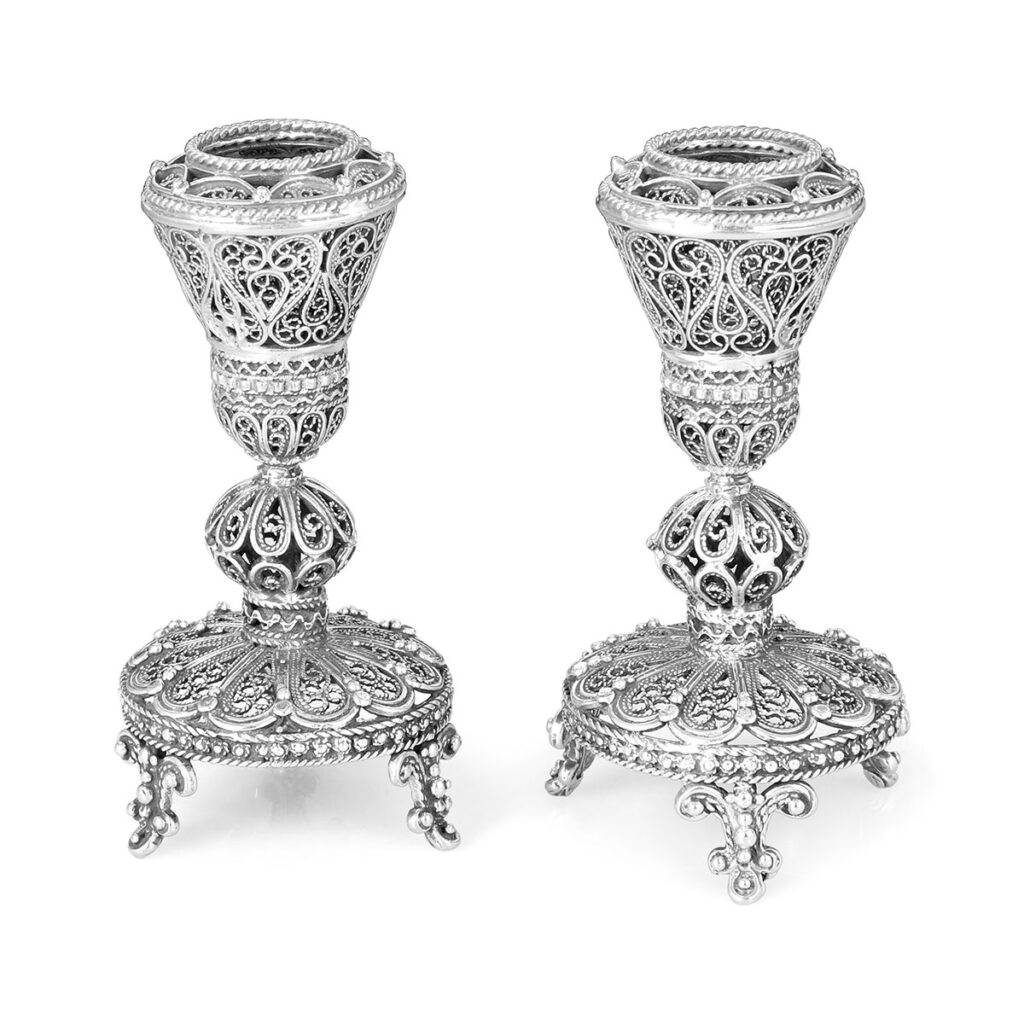
To make your Seder table even more beautiful, consider placing a pair of festive candlesticks at its center. Many families use their finest silver or heirloom candlesticks on this night, linking generations past and present around the same table. The soft candlelight reflects off the wine cups and Seder plate, adding warmth and depth to the setting and reminding everyone that this is not just a meal, but a sacred celebration of freedom.
See our selection of Shabbat and Holiday candlesticks from Israel.
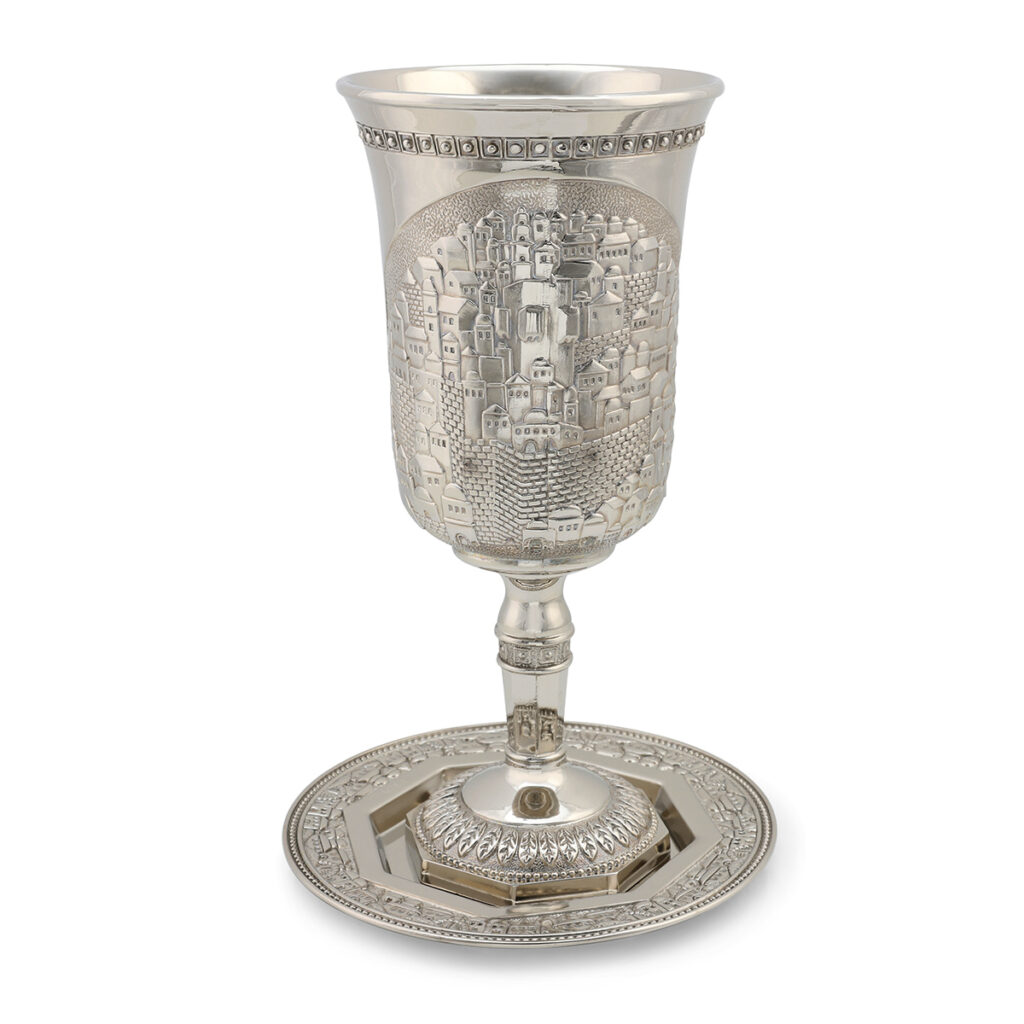
Elijah’s Cup
Elijah’s Cup is one of those iconic Seder elements that blends symbolism with a bit of mystery. Placed prominently on the table, it represents hope, anticipation, and the idea that the night is bigger than what we see in front of us. Whether you choose a simple cup or an ornate showpiece, it becomes a focal point that sparks conversation and adds depth to the ritual.
See our selection of Elijah cups from Israel.
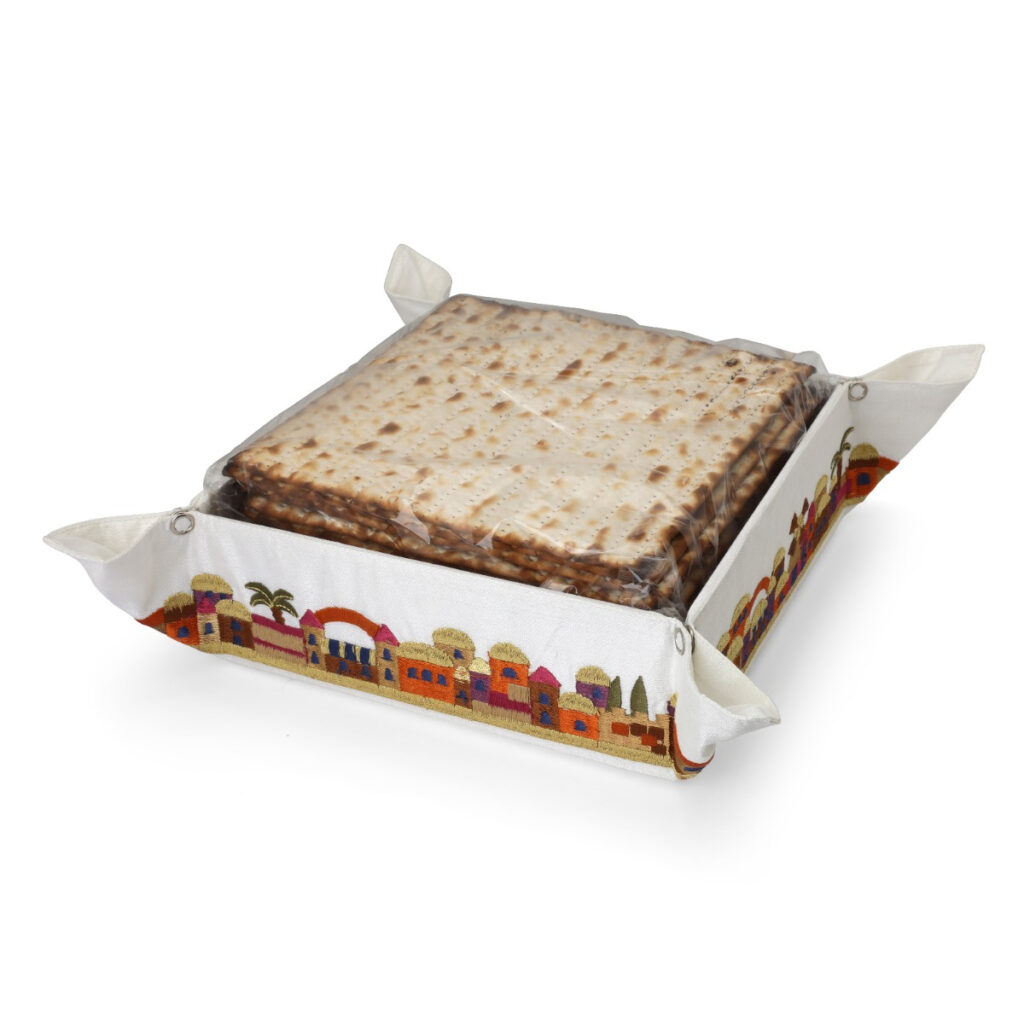
Matzah Plate or Tray
A dedicated matzah plate or tray gives the matzah a proper home, no more balancing sheets of matzah on a napkin or hoping they don’t slide off the table. It keeps everything neat, accessible, and visually appealing. Whether simple or decorative, it adds a touch of dignity to this humble holiday staple and helps the table look polished and put‑together.
See our selection of Matzah Plates and Trays from Israel.
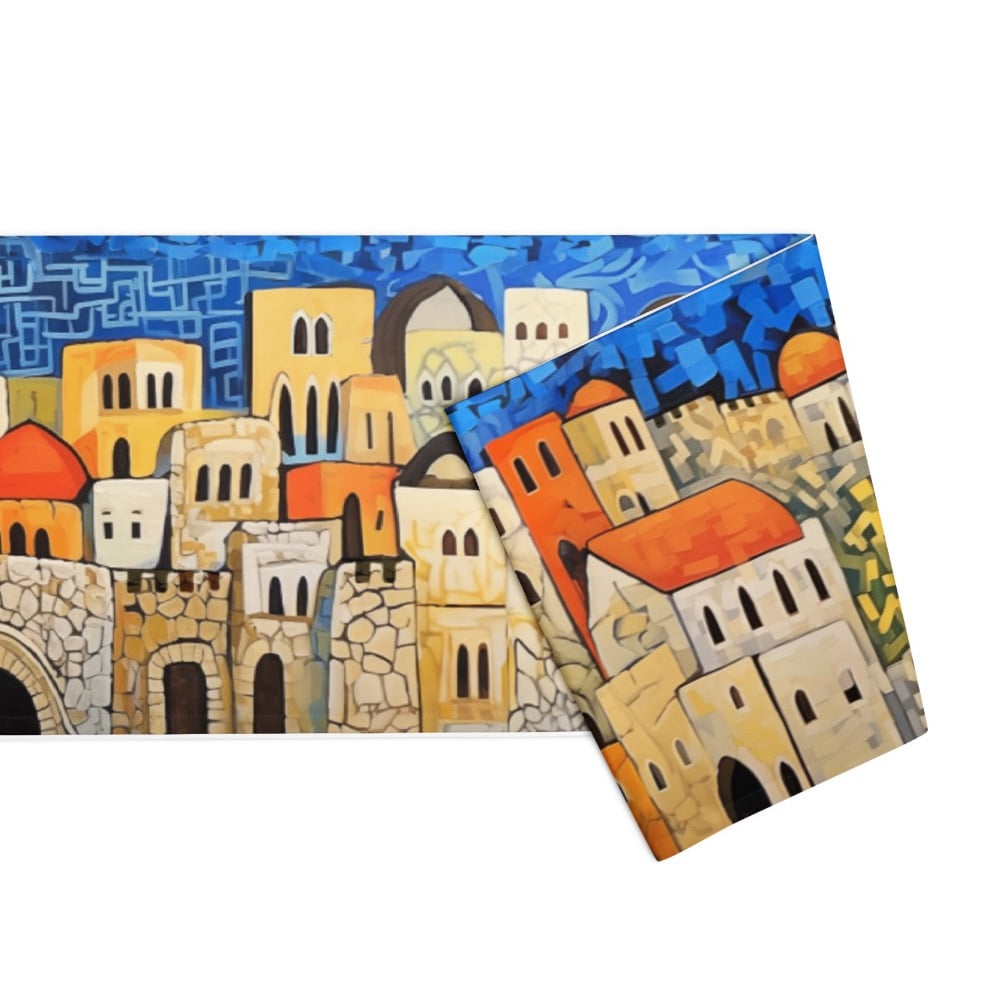
Passover Tablecloths & Table Runners
A Passover table runner instantly sets the tone for the evening, adding color, texture, and a sense of occasion to the Seder table. It helps frame the entire setting, giving all the ritual items a cohesive backdrop that feels both festive and intentional. Whether you prefer something traditional, modern, or boldly artistic, a runner adds that subtle “wow” factor guests notice the moment they sit down.
See our selection of Passover Tablecloths & Table Runners from Israel.
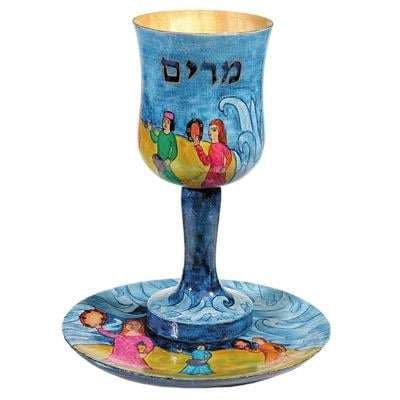
Miriam’s Cup
Bringing a beautiful layer of meaning to the Seder, honoring Miriam’s role in the Exodus story and the life‑giving water associated with her. It’s a thoughtful addition that celebrates strength, resilience, and the contributions of women throughout Jewish history. Many families love including it as a way to broaden the narrative and make the table feel more inclusive and reflective.
See our Miriam cup selection from Israel.
Why shop with us?
Authentic Judaica from Jerusalem. Every Seder plate and Haggadah on Judaica WebStore is sourced directly from Israeli artists, so your first night of Passover is celebrated with genuine tradition and craftsmanship. The shop curates a broad Passover selection, from Seder plates and matzah covers to Afikoman bags, Elijah’s cups, and table decor, all made in or shipped from Israel.
More to love for your table. Alongside classic Passover pieces, we have matching sets, festive table linens, and children’s items, making it easy to both the make seder night unique and memorable. You’ll find categories such as Afikoman bags, Elijah’s cups, and beautiful table runners or decor right alongside Haggadahs and Seder plates, all under one roof.
Why this matters. Choosing Israeli-sourced Judaica connects your holiday table directly to the artists and traditions of the Land of Israel, while also offering a curated, ready-to-shop experience for meaningful gifts or additions to your Seder. The site emphasizes both Israeli craftsmanship and worldwide shipping, giving you confidence in authenticity and convenience.
First night Seder FAQ’s
It’s a night built on questions and answers, curiosity and conversation, where the story of the Exodus opens the door to reflections on both ancient miracles and the everyday wonders we experience now. The Seder encourages everyone at the table, seasoned participants and first‑timers alike, to explore, discuss, and discover.
If you’d like a small head start before the holiday begins, you’ll find a few helpful explanations below, or you can dive deeper into our Complete Guide to Passover 2026 for even more insights.
What is matzah and why do we eat it?
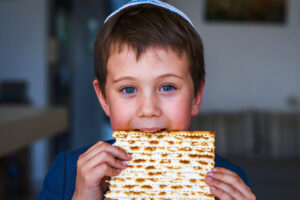
Matzah is the crisp, unleavened bread baked for 18 minutes or less. According to the Torah, when the Israelites were finally freed from slavery in Egypt, they left in such haste that their dough didn’t have time to rise. The result was matzah, simple, flat, and baked quickly, which became a symbol of both liberation and humility.
Can non-Jews participate in a Seder?
Absolutely. Non-Jews are warmly welcome at a Passover Seder. The evening is all about telling the story of freedom and asking questions, so curious and respectful guests are very much part of the spirit of the night. While some specific blessings are traditionally recited by Jewish participants, everyone can listen, learn, sing along, and enjoy the meal together. Many families love sharing this meaningful evening with friends from different backgrounds.
What is the latest time to finish the Seder?
Traditionally, the Seder is meant to continue well into the night, since the Torah instructs us to tell the story of the Exodus “on that night.” Many families aim to finish the main parts of the Seder, especially eating the afikoman, before halachic midnight, a calculated time that can falls a little before or after actual midnight on the clock depending on location. Some families keep a close eye on the halachic time, while others take a more relaxed approach and simply enjoy the evening at a comfortable pace.
Why do we spill drops of wine during the ten plagues?
During the recitation of the Ten Plagues, it’s traditional to remove a small drop of wine for each plague, usually by dipping a finger or tipping the cup. Wine represents joy, and by lessening our cup, we acknowledge that even in a moment of our own liberation, others suffered. It’s a quiet reminder that freedom should never come at the expense of compassion.
What is considered Chametz (leavened bread) on Passover?
Chametz refers to any food made from five specific grains: wheat, barley, rye, oats, or spelt, that has come into contact with water and been allowed to rise. Once that rising process begins, even slightly, the food is considered chametz and is not eaten or kept in the home during Passover. This includes everyday items like bread, pasta, cakes, cookies, crackers, and most cereals.
What is Kitniyot?
Kitniyot refers to a category of foods, such as rice, corn, beans, lentils, peas, and certain seeds, that some Jewish communities traditionally avoid eating on Passover. The custom developed among Ashkenazi Jews in medieval Europe, where these foods were often stored or processed alongside grains like wheat and barley. Because of the risk of mixing or confusion, families adopted the practice of avoiding them during the holiday. Today, many Sephardi and Mizrahi communities continue to eat kitniyot on Passover, while many Ashkenazi families still keep the custom of avoiding them.
Can I drink Coca-Cola on Passover?
Yes, you can, as long as it’s the right kind. In the United States, Coca-Cola releases a special Kosher for Passover version made with cane sugar instead of corn syrup (Kitniyot). It’s usually clearly labeled and often comes with yellow caps. Just look for reliable Passover certification on the bottle, and you’re good to go.
Can the Passover Seder plate be vegan?
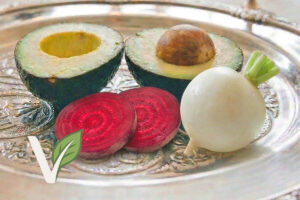
Yes. A vegan Passover Seder plate can still preserve the traditional symbolism by using traditional alternatives, such as a roasted beet instead of the shank bone. For a full explanation and common substitutions, see our guide to the vegan Passover Seder plate.
Do I need to read Hebrew?
Not at all. While many parts of the Seder are traditionally recited in Hebrew, you don’t need to read or speak Hebrew to participate meaningfully. Most Haggadahs include full translations, transliterations, and clear instructions so everyone can follow along comfortably. Many families mix Hebrew and English throughout the evening, choosing whatever helps the story and rituals feel accessible and engaging.
For more information about our research process, sourcing, and editorial review, please see our editorial standards and content policy.