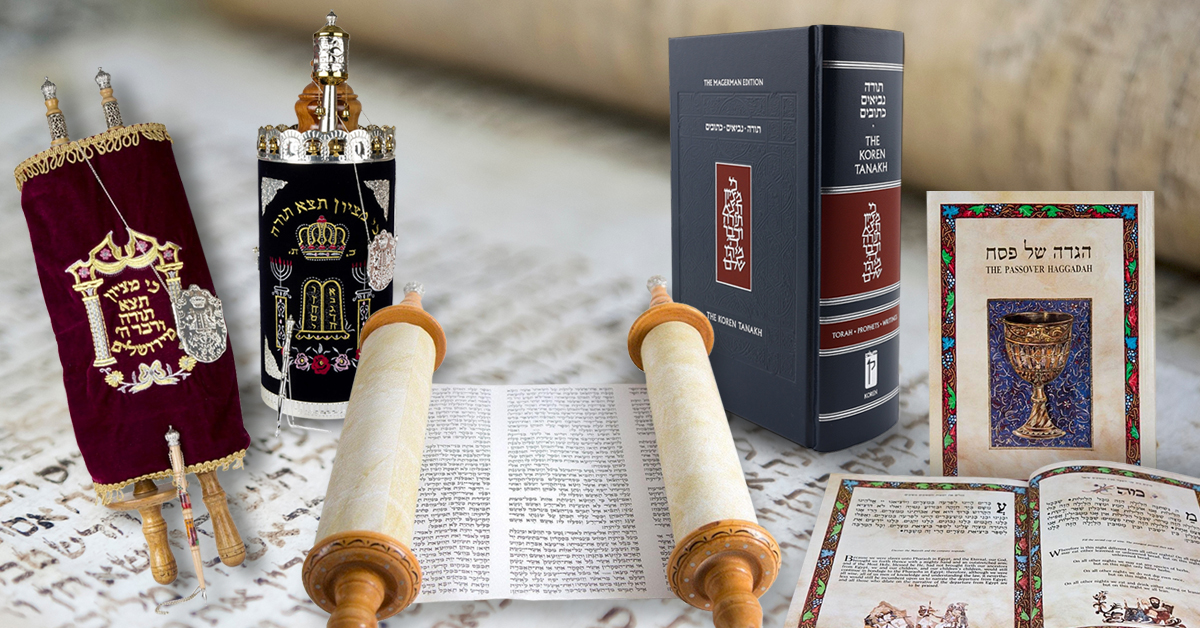
The phrase "People of the Book" has long been used to describe the Jewish people, and for good reason. From ancient times to the modern era, Judaism has placed an extraordinary emphasis on learning, literacy, and sacred texts. The title originally stems from the central role that the Torah—the Five Books of Moses—plays in Jewish religious life. But over time, it came to represent the deep and enduring connection Jews have to a wide range of sacred writings, including the Tanakh (Hebrew Bible), Talmud, and countless commentaries, legal texts, and philosophical works.
Historically, the Jewish people became identified as "the People of the Book" not only because of the Torah itself, but because of the cultural and communal commitment to studying and preserving these texts. Even after the destruction of the Second Temple in 70 CE, Jewish life didn’t fade—it shifted from Temple-based worship to a religion centered around study, synagogue, and community. The rabbis of the Talmudic period created a portable Judaism, rooted in books and ideas rather than place and sacrifice, which helped preserve Jewish identity through centuries of exile and diaspora.
The term also appears in Islamic tradition—Ahl al-Kitab in Arabic refers to Jews and Christians, both seen as followers of earlier divine revelations through sacred scripture. But among Jews themselves, being "the People of the Book" has often been a source of pride. From Eastern Europe to the Middle East, Jewish parents taught their children to read, study, and ask questions. In many communities, books were among the most prized possessions, even in times of poverty.
Today, being called the People of the Book continues to reflect not only a reverence for Jewish texts, but also a cultural identity built around learning, questioning, and continuity. Whether you're flipping through a prayer book, exploring Torah portions, or studying Hebrew letters with your child, you're participating in a powerful tradition that has shaped Jewish life for over 3,000 years.