Judaism

Why Age 3 Is a Special Milestone in Judaism

You’ve probably heard of the bar mitzvah and bat mitzvah as important Jewish milestones—but did you know that turning three is also a significant birthday with deep Jewish spiritual and cultural meaning?

Learn more about this special tradition here!

In Jewish tradition, a child’s third birthday marks an important milestone in their early spiritual and cultural development. This age is particularly significant because it represents the transition from infancy to early childhood, a period when the child begins to develop a deeper awareness of their place within the Jewish community and their relationship to religious practice.

There are several special Jewish customs associated with turning three years of age, in addition to biblical and other textual references that give a special significance to this age!

Jewish 3rd Birthday Traditions
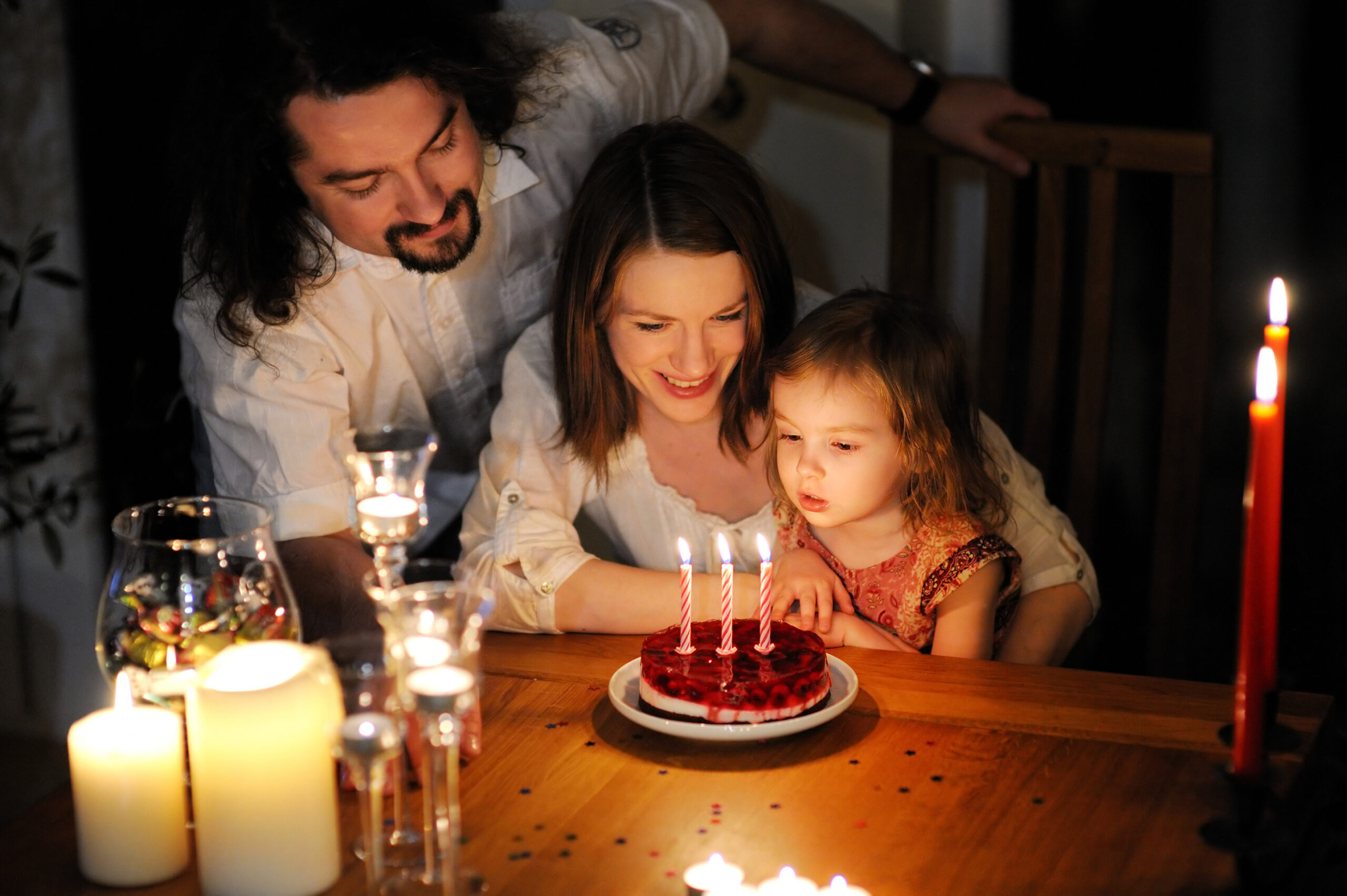
Happy family celebrating their daughter's third birthday

One of the most well-known Jewish customs associated with one's third birthday is the upsherin (or upsherinish), a hair-cutting ceremony observed in some Jewish communities, particularly among Hasidic and some Sephardic Jews. This tradition is based on a symbolic connection to agriculture: just as fruit trees are not harvested until they have grown for three years (as stated in Leviticus 19:23), a child’s hair is not cut until their third birthday. This first haircut symbolizes their readiness to begin formal Jewish education and mitzvah observance.

Another common and meaningful Jewish ritual associated with this age is the introduction of the child to learning Torah. In many communities, this moment is marked by a visit to a cheder (traditional Jewish school) or a synagogue, where the child is ceremonially introduced to the Hebrew alphabet. A common custom is to place honey on the letters of the Aleph-Bet and encourage the child to lick it off, symbolizing the sweetness of Torah and instilling a love for learning from an early age. This practice is rooted in the idea that Jewish education should be a joyous and cherished experience.

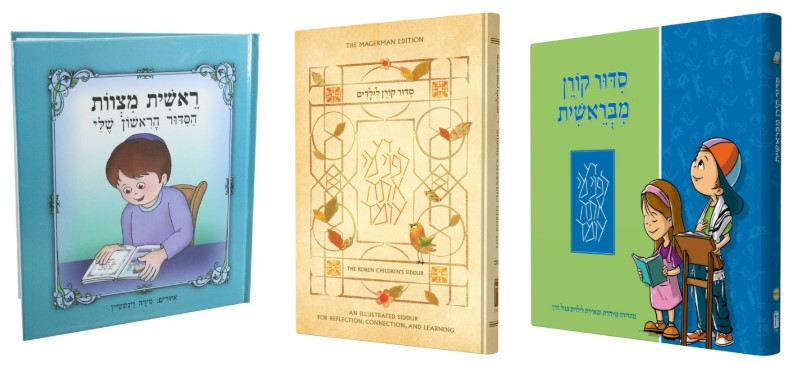
At this stage, children often receive their first siddur (prayer book), signifying their growing role in Jewish spiritual life, which may even be accompanied by a special ceremony known in some communities as mesibat siddur ("siddur party"). Receiving a siddur marks the beginning of their participation in daily prayers and blessings, fostering an early connection to Jewish worship and community. In some communities, children are taught to recite simple prayers, such as Modeh Ani (the morning prayer of gratitude) and the Shema (the central declaration of Jewish faith), reinforcing their awareness of God and religious practice.

Examples of Jewish children's prayer books—available to order from Jewish publishers in Jerusalem!

Additionally, the child may begin wearing a kippah (head covering) and tzitzit (fringed garment), outward signs of their growing connection to Jewish identity and observance, or lighting their own shabbat candles on Friday nights along with their parents.

Ultimately, a child’s third birthday is more than just a developmental milestone—it is a moment of initiation into Jewish education and practice, emphasizing the values of growth, learning, and community and celebrating the child’s budding connection to Jewish tradition!

Surprise a special child in your life with a special children's gift from Israel—fromupsherin gifts for three-year-olds to meaingful Passover gifts for kids, our Jewish children's gifts collection has it all!

btn
gifts-for-children_category_mobile
The Spiritual Significance of Age 3 in Judaism
Little boy studying the Bible

The number three carries deep significance in Jewish thought. The Talmud (Avot 1:2) teaches that "the world stands on three things: Torah, service of God, and acts of kindness." Similarly, Kabbalistic teachings view three as a number of balance and completeness—symbolizing the fusion of intellect, emotion, and action. Turning three years old is seen as a time when a child begins to integrate these foundational elements into their life.

There are also biblical references that highlight the significance of age three. For example, the Midrash states that Abraham recognized God at the age of three, symbolizing an early awareness of faith and spirituality. Additionally, Leviticus 19:23 describes the orlah law, which prohibits eating fruit from a tree during its first three years—reinforcing the idea that three marks a stage of readiness and growth.

Overall, age three is seen as a turning point in Jewish life, marking the beginning of a child’s active engagement in Torah, mitzvot (commandments), and community traditions. Whether through the upsherin, the beginning of Jewish education, or the start of prayer and mitzvah observance, many Jewish communities view this stage as a meaningful step in a child's spiritual journey!

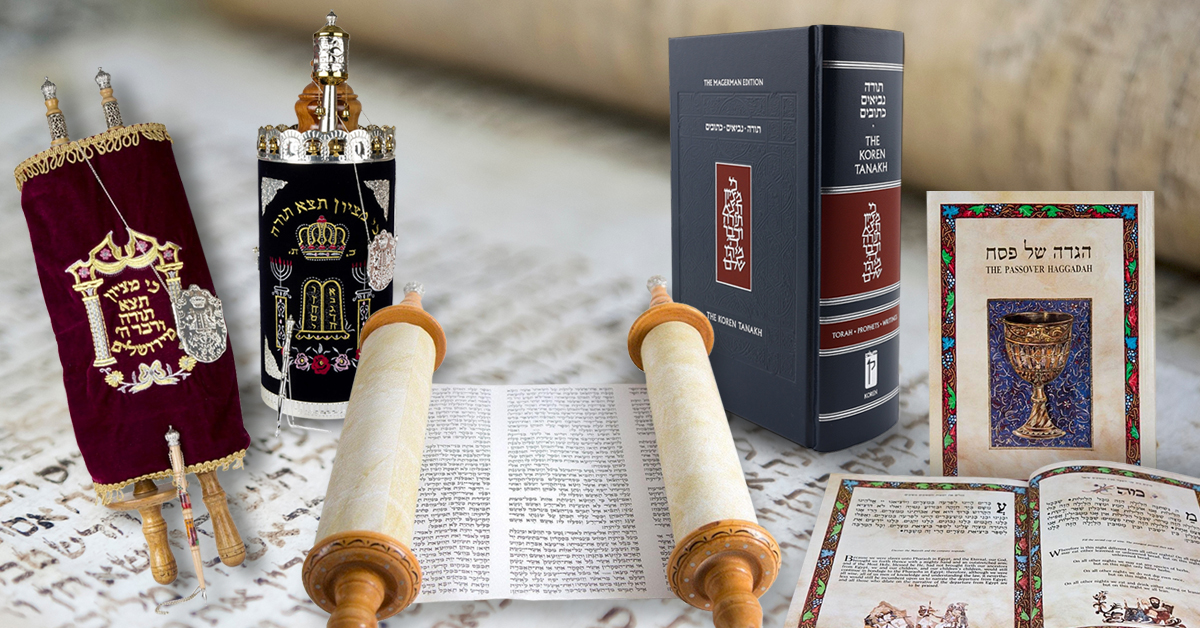
Get in touch with Jewish spirituality with our collection of Hebrew Bibles and Jewish prayer books—including Jewish books made just for kids!

btn
Bible-graphic_1200x628

JWS POST YOU MAY LIKE

Passover 2026 all you need to know
Passover 2026: The Complete Guide
Whether you’re planning your first Seder or refreshing your family traditions, this Passover guide walks you through every step. Explore
Israeli Air Force 2026 Adir
Inside the Israeli Air Force 2026: Innovation in the Skies
From stealth fighters and laser defense to record-breaking pilots, take a look inside the Israeli Air Force in 2026 and
Seder table
First Night of Passover 2026: All You Need to Know
When Is Passover 2026? Passover (Pesach) follows the Hebrew calendar and begins on the 15th of Nisan. This year, it
The River Nile
The Exodus from Egypt: Why It Could Only Have Happened There and Then – By Dr. Liora Ravid
The Exodus from Egypt is remembered above all for the great and amazing miracles that God performed for the Israelites
Boy eating matzah
Matzah: Everything You Need to Know About Passover's Most Important Food
It is made from just two ingredients. It takes eighteen minutes to prepare. It has no flavor that would make
Passover seder plate with vegan options
How to Make a Vegan Seder Plate with Traditional Alternatives
Creating a vegan Seder plate is easier than you might think. Four traditional Seder foods are already plant-based. Discover the