Kabbalah is one of the most mysterious and misunderstood areas of Judaism. Since ancient times, Jewish mystics and sages have studied traditional texts (such as the Torah and prayer book) in order to obtain a greater understanding of the relationship between God and humanity, the connection between the physical world and the metaphysical world as well as the nature of the Divine itself. This esoteric study is known as the Kabbalah.
A Glimpse into Kabbalah
The literal translation of Kabbalah is “to receive” or “that which is received,” referring to a tradition of wisdom passed down through generations. The main principles of Kabbalah center on understanding the relationship between the infinite and the finite.
Core Concepts:
Ein Sof (The Infinite): God is viewed as an infinite, unknowable, and formless source that exists beyond human comprehension.
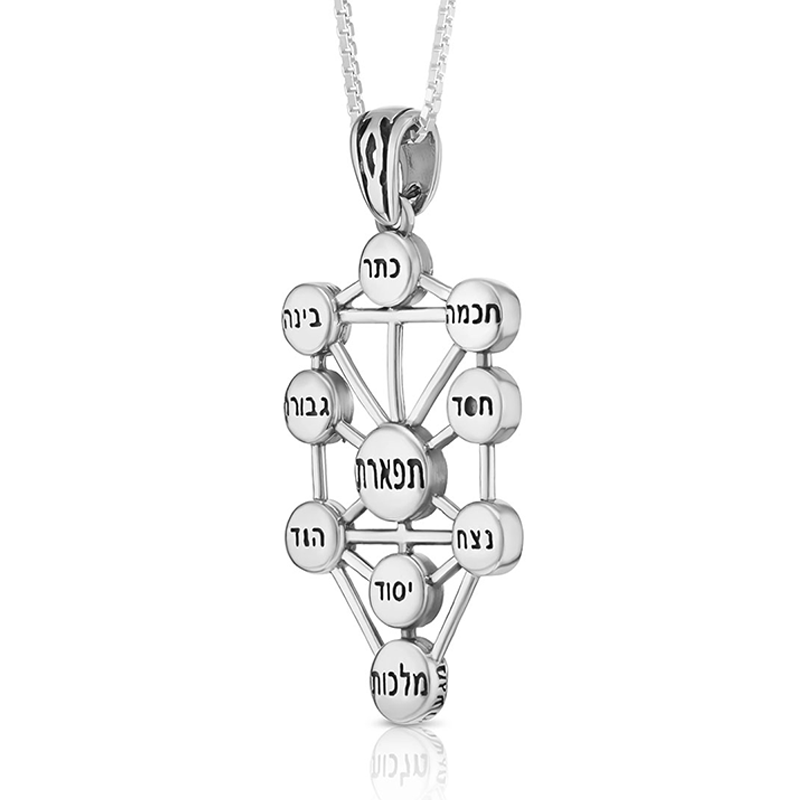
The Sefirot: To interact with the physical world, the infinite light emanates through ten attributes or “Sefirot” (such as Wisdom, Kindness, and Strength). Together, these form the Tree of Life, a blueprint for both the universe and the human soul.
Tzimtzum (Contraction): Because God’s light is infinite, Kabbalah teaches that He had to “contract” or withdraw His presence to create a “void” where finite creation could exist.
Tikkun Olam (Repair of the World): A central tenet is that the world was created in a shattered or “broken” state. Human beings have the responsibility to “repair” the world and restore cosmic harmony through righteous acts and ethical conduct.
When to Study Kabbalah?
For centuries, there has been a well-known recommendation: wait until the age of forty before delving into Kabbalah, the mystical dimension of Judaism. This is not meant as a restriction, but as a form of protection. Kabbalah explores abstract, powerful ideas about the nature of God, the soul, and the universe. Without the right preparation, these concepts can be overwhelming or even misunderstood.
This idea is beautifully captured by Maimonides, who advised that a person should first “fill their belly with meat and bread” before entering the “orchard,” or Pardes, a metaphor for mystical study. The message is simple yet profound: nourishment comes before exploration. One must be sustained by knowledge before reaching for its deeper secrets.
In more recent generations, leading voices within Judaism have suggested a different approach. Figures such as the Lubavitcher Rebbe emphasized that the teachings of Chassidut, the philosophical and spiritual branch of Hasidic thought, offer a and structured way to engage with mystical ideas. Rather than waiting until later in life, these teachings can be introduced earlier, providing depth, warmth, and meaning to everyday religious practice.
The northern Israeli city of Tzfat, known for its rich kabbalistic tradition (View of Mount Meron )
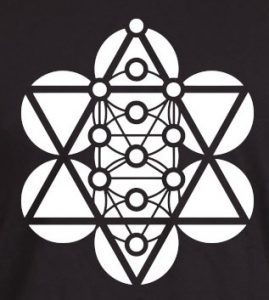
A kabbalistic illustration depicting different interconnected aspects of God inside a Star of David
Authentic Kabbalah and Its Everyday Influence
While certain celebrities have been known to partake in a sort of pop-culture version of kabbalah, this is far from the real thing. Real kabbalistic teachings, including its foundational texts such as the Zohar, are usually so advanced and esoteric that they are inaccessible to anyone who has not first deeply studied the foundational Jewish texts including the Torah and Talmud.
Jews who are drawn to kabbalah experience their Judaism and their relationship to the Divine in a deeply spiritual way. Kabbalists are often known for imbuing their Jewish practice with song, dance, and other happy expressions of their loving relationship with God.
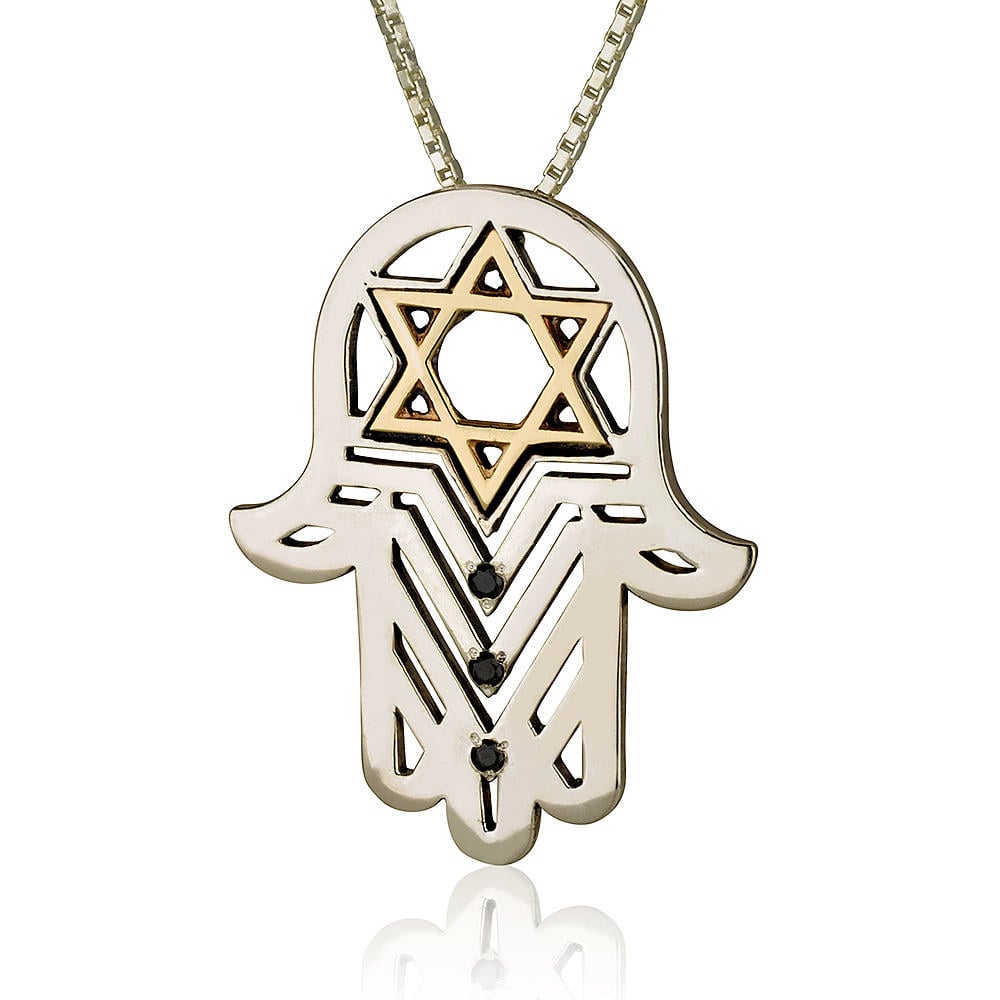
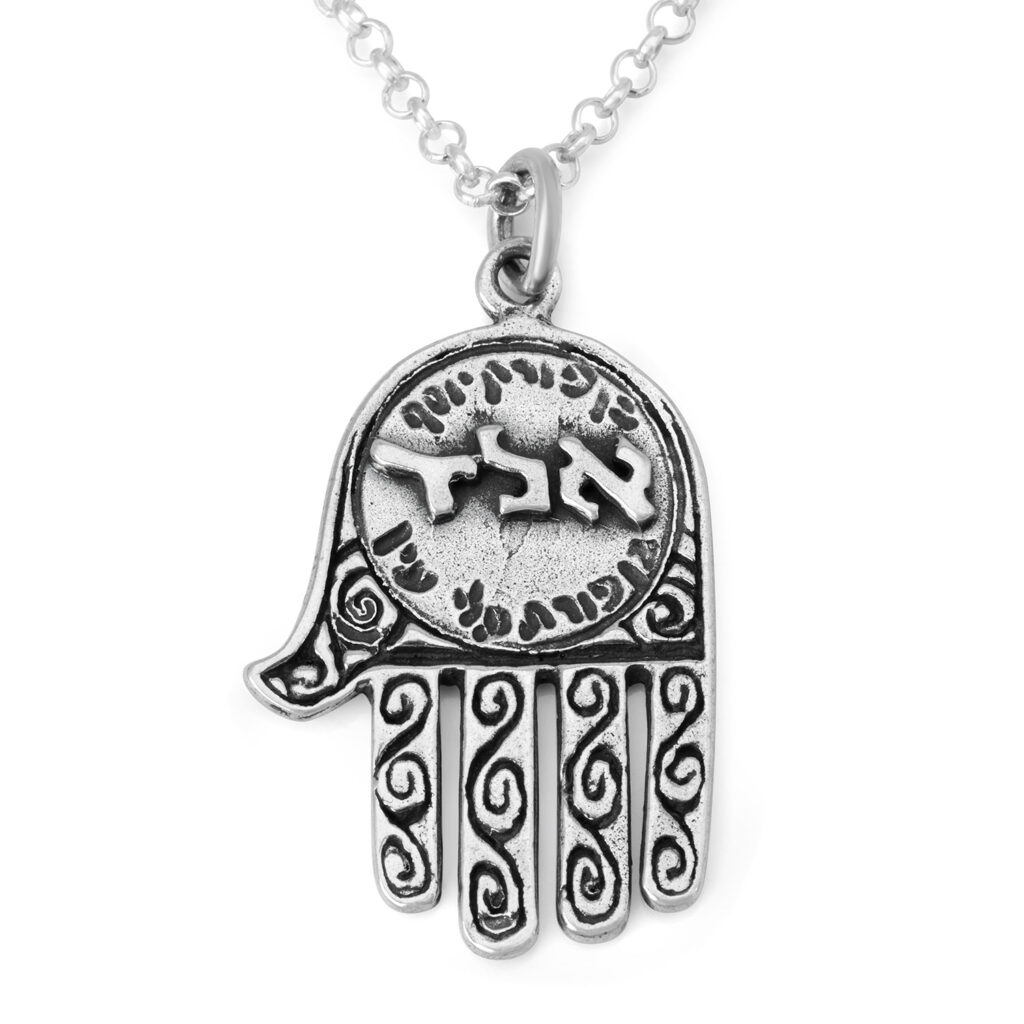
The Hamsa and the Star of David are often used in Kabbalistic imagery
The Kabbalistic Tree of Life shows 10 Sefirot (divine attributes) connected by 22 paths.
However, there are actually some kabbalistic influences and practices that have made their way to mainstream Judaism over the centuries! One common example is the kabbalat shabbat ritual of welcoming shabbat through prayer and song and likening it to welcoming a bride.
Connect with your spirituality through kabbalistic phrases, symbols, and protective amulets, right on stunning jewelry pieces from some of Israel’s best design studios.
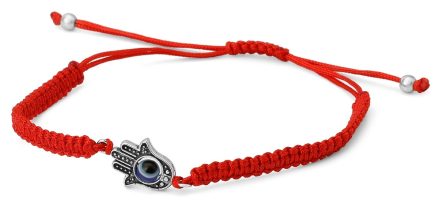
You might have seen people wearing red string bracelets or heard that it has something to do with kabblah. Sometimes there are even people giving them out to visitors at the Kotel or the Western Wall. Known in Hebrew as khutt hasheni, they are treated as a protective amulet and believed to bring Divine protection on the wearer. Their origin is unknown, but they are indeed often associated with the kabbalistic tradition.
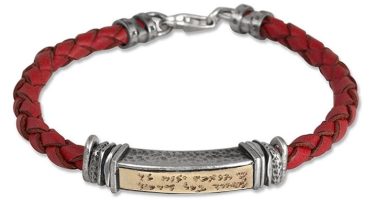
Since the traditional thin wool strings can easily tear or wear out if not woven thickly, a more modern practice has come about of wearing red bracelets made of more solid materials such as leather, or incorporating a red string by weaving it into a silver chain. These kabbalistic bracelets are inspired by the original red strings, and often also feature metal pendants with kabbalistic or other religious verses and motifs.
Red string-inspired leather bracelet engraved with a protective prayer
Other kabbalistic symbols & jewelry
But that’s not all! There are several other symbols and motifs commonly associated with kabbalah, that anyone can connect with and wear in order to deepen their spirituality and invoke Divine protection, such as:
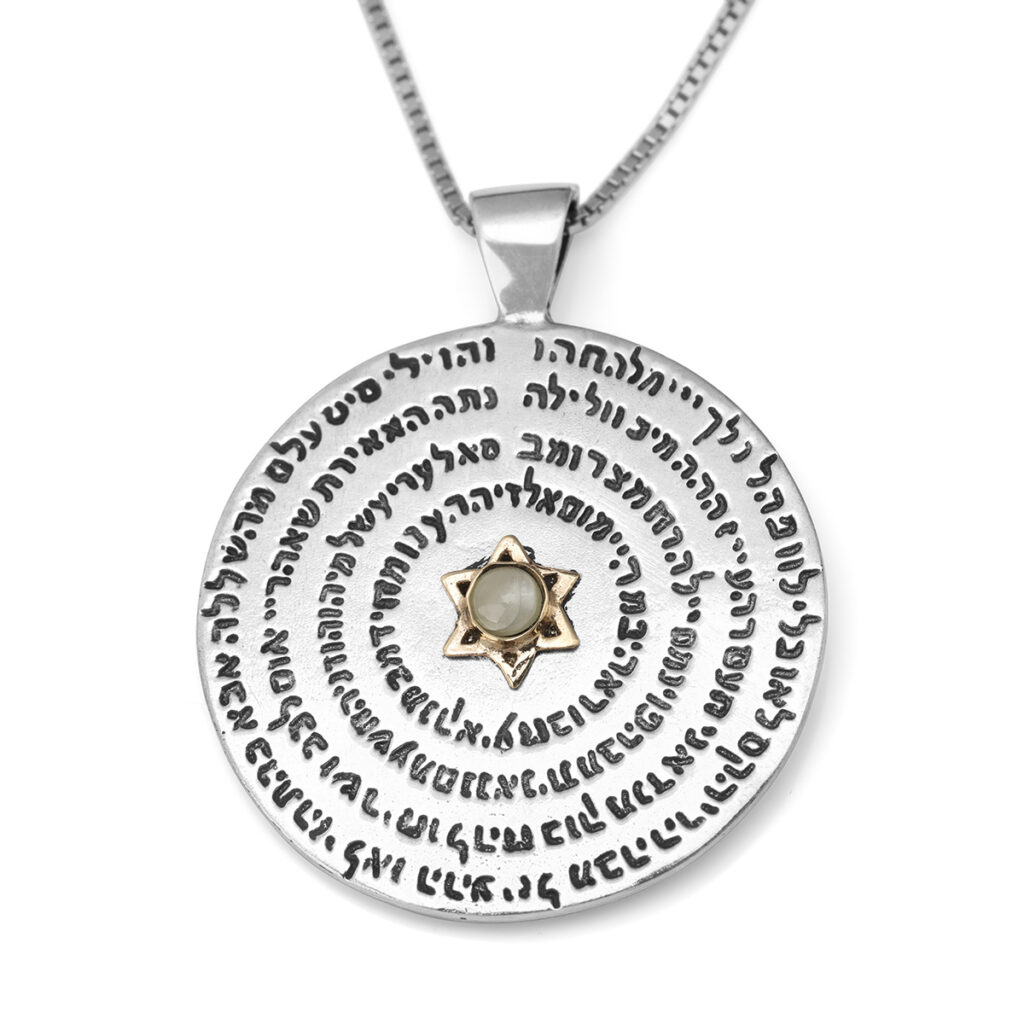
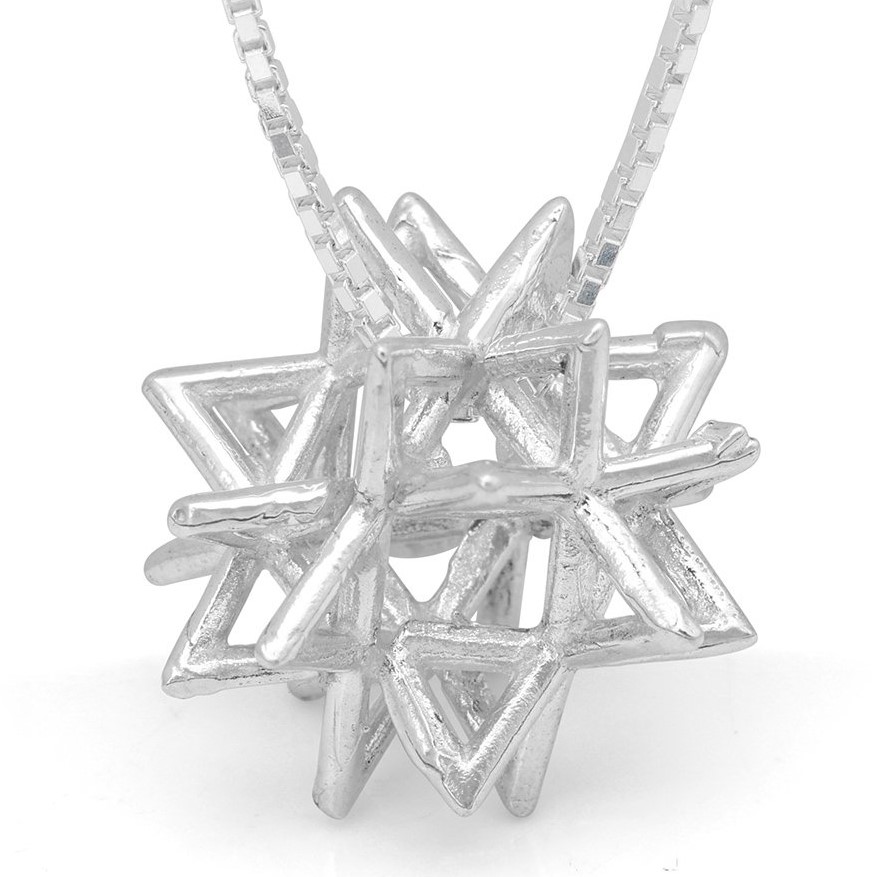
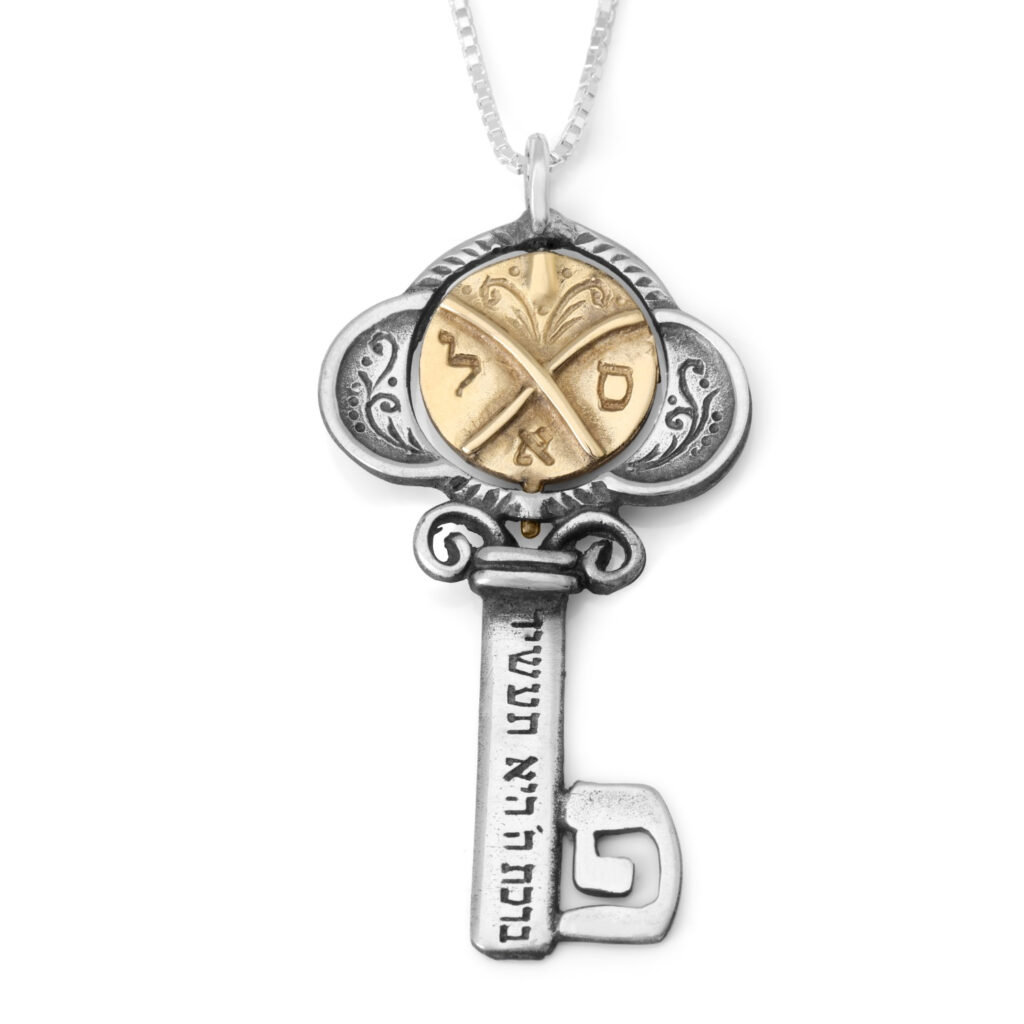
the Hamsa hand, the evil eye, the Tree of Life, healing prayers and amulets, 72 names of God, keys and the Merkaba, an interlocking Star of David.
Kabbalistic Hamsa
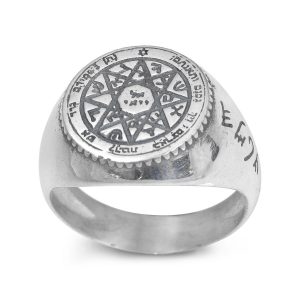
72 Names of God Jewelry
Merkaba Star of David
Tikun Klali Key Kabbalah Pendant
One aspect of the kabbalistic tradition is using symbols, words, and letters to express Jewish religious concepts and deepen our connection to the Divine – something that Israeli artists are exploring through gorgeous kabbalah jewelry available right in our store!
Ready to explore Jewish mysticism and deepen your spiritual connection? Browse beautiful kabbalah jewelry from Israel’s top artists and find your own special amulet!
And if you need help picking out the perfect piece for yourself or a loved one, check out our top kabbalah jewelry guide here.