

Israeli History

Tisha B’Av: A Time to Mourn & Commemorate Jerusalem

This year Tisha B’Av, one of the saddest dates in the Jewish calendar, is observed on Saturday night, August 2, through Sunday, August 3.

What happened to the Jewish people, to Jerusalem, and to the Holy Temple on this day? Read on to find out more, along with the different ways Jews have been commemorating this difficult day for generations.

A Day of Tragedies
tisha b'av

Tisha B’Av, or the 9th of the Hebrew month of Av, marks the end of the three-week mourning period that began on the 17th of Tammuz, and is itself an anniversary of a number of terrible tragedies that befell the Jewish people throughout history. According to the Mishnah (the Oral Torah, part of the Talmud), five specific calamities occurred on the Ninth of Av:

  • The Twelve Spies returned from their mission to scout the Land of Israel; ten spoke disparagingly of the land and caused to rest of the Israelites to cry and panic, for which their generation would not enter the Promised Land as punishment from God
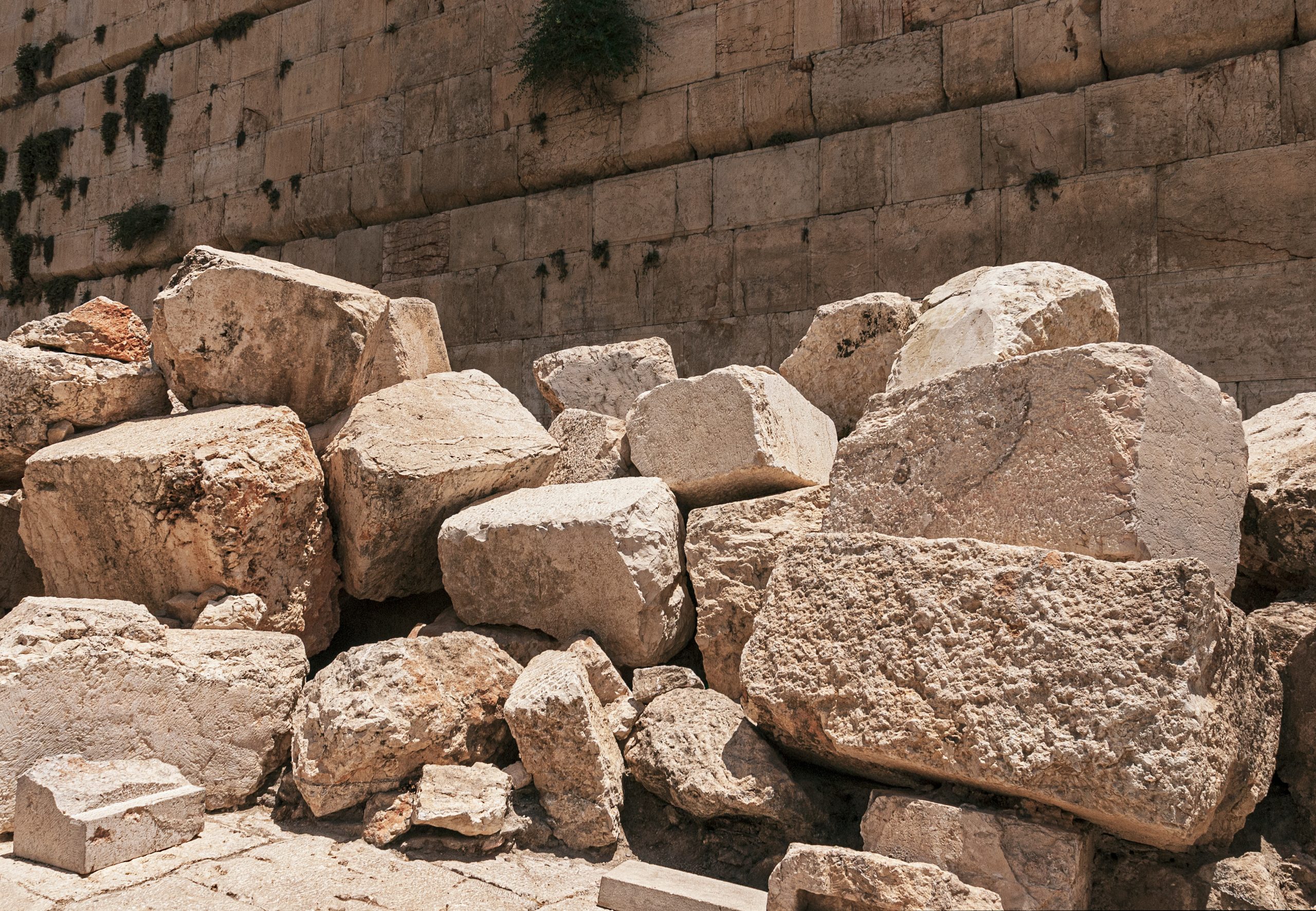
  • The First Temple was destroyed in the 6th century BCE by the Babylonian empire, resulting in the first exile of the Jews from the Land of Israel, along with great desolation and destruction in the city of Jerusalem
  • The Second Temple was destroyed in 70 CE by the Roman army, following a brutal siege on Jerusalem and resulting in the scattering and exile of the people of Judea
  • The Romans later crushed the Bar Kochba Revolt in 135 CE and killed over half a million Jewish civilians
  • The Roman army also further razed and destroyed the site of the Temple and surrounding area in 135 CE

For these reasons, the rabbis of the Talmud instituted Tisha B’Av as the saddest and most solemn day in the Jewish calendar. It is particularly and most commonly associated with mourning the destructions of the First and Second Temple.

btn
JLM-gifts
…And More Tragedies
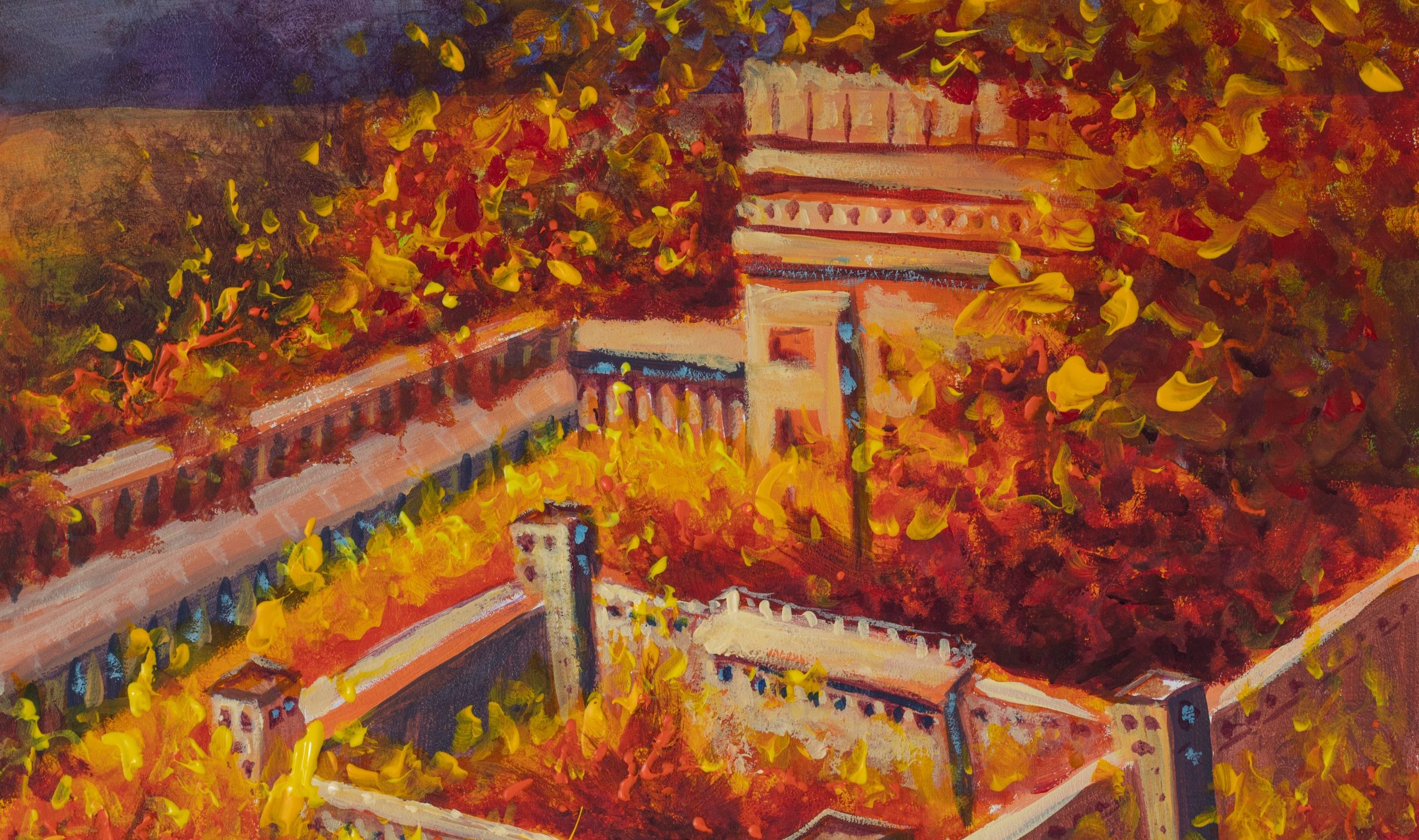
Detail of Second Temple Destruction at the Kotel in Jerusalem

In addition, according to Jewish records, many other calamities befell the Jewish community on the day of Tisha B’Av. This includes the official start of the First Crusades; expulsions of Jews from England, France, and Spain at different points throughout the Middle Ages; and the approval of the Final Solution in 1941 and formal beginning of the Holocaust during the Second World War.

Given the packed history of the day, it makes sense that Tisha B’Av has also become a general mourning day for the Jewish people for all our national tragedies, including the Crusades, the Inquisition, and the Holocaust.

btn
Observing Tisha B’Av
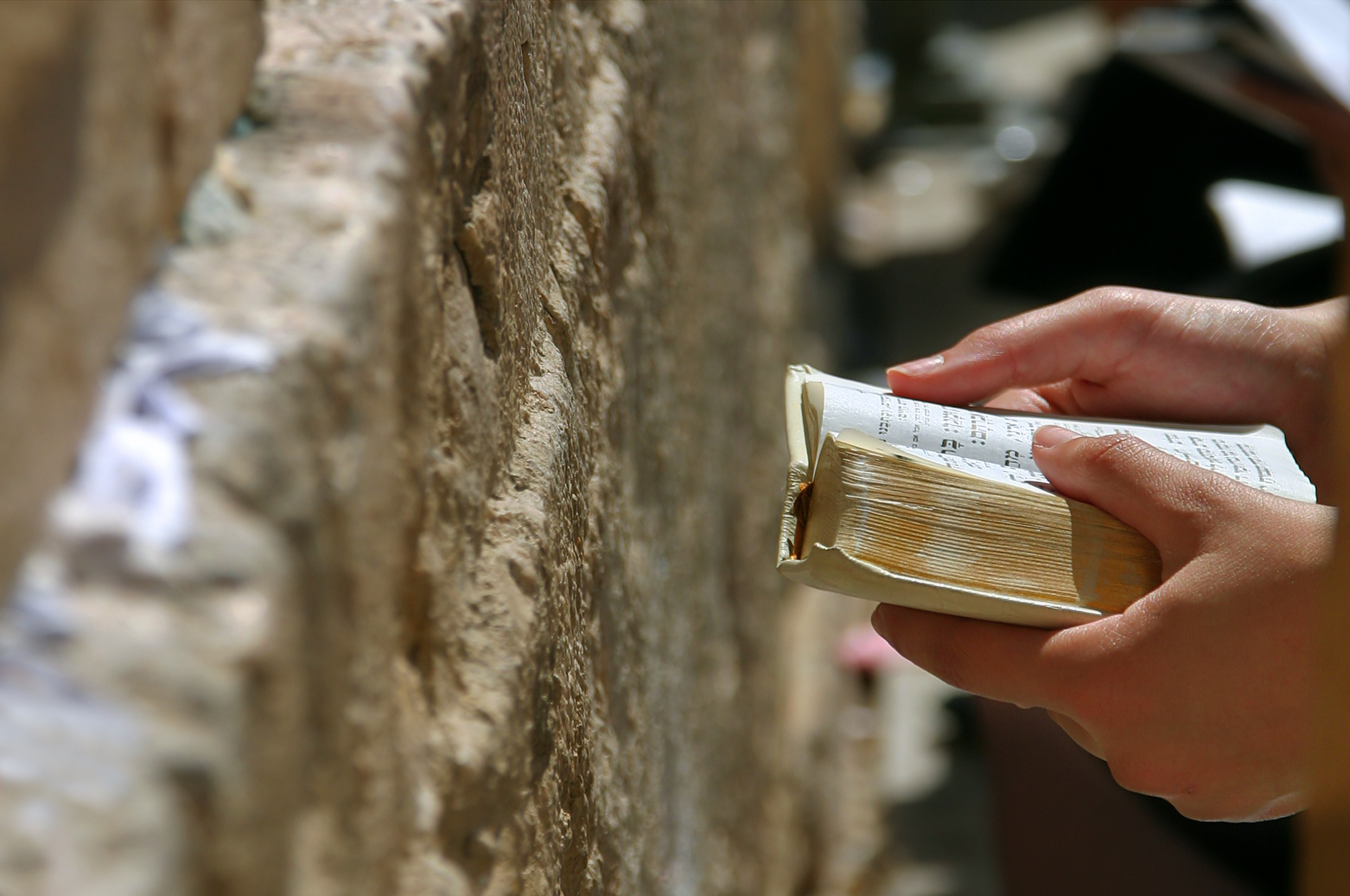
Prayer holds Torah during prayer at Western Wall.

Tisha B’Av observance is traditionally marked by fasting – abstaining from all food and drink for a full 25 hours (if medically possible) from evening until nightfall. It is considered one of the two “major” fasts in the Jewish calendar, along with Yom Kippur. Other prohibitions, as on Yom Kippur, include bathing, applying cream or oils, wearing leather shoes, and marital relations.

The day is also characterized by customary mourning practices such as sitting low on the ground, refraining from greetings, avoiding any joyous activity, and eating a solemn meal beforehand, which may include a hard boiled egg and/or bread dipped in ashes. Many people avoid work if possible, and may dim the lights in the evening and sleep on the ground or with less pillows than usual.

Other traditional Tisha B’Av practices include prayer, personal reflection, and reading the Book of Lamentations and Kinnot (mournful Jewish poetry). Common modern customs include reading books, watching films, or hearing talks that are related to the Holocaust or other Jewish national tragedies from our history.
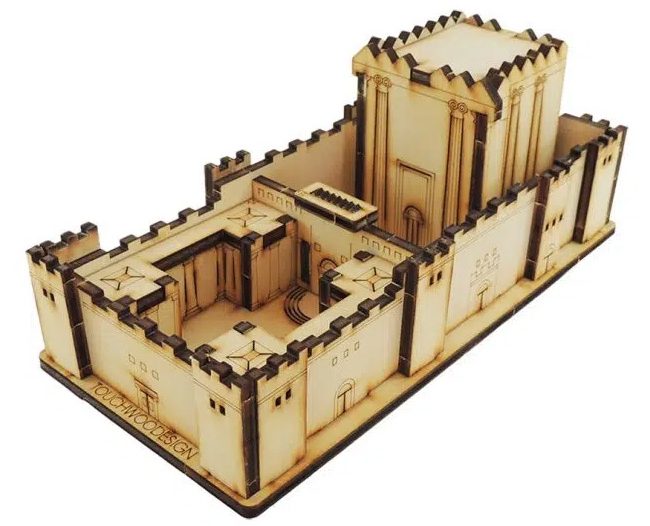
No matter your personal observance, Tisha B’Av is a poignant opportunity to remember and honor our Holy Temple and Jerusalem.

Don’t forget to check out our top Temple-themed giftsmost beautiful Jerusalem jewelry, and best Jerusalem gifts, all lovingly made in the Land of Israel – so you can bring ancient Jewish history and tradition right into your home!

btn
Jerusalem-Gifts-CAT-M-2021

JWS POST YOU MAY LIKE

Passover 2026 all you need to know
Passover 2026: The Complete Guide
Whether you’re planning your first Seder or refreshing your family traditions, this Passover guide walks you through every step. Explore
Israeli Air Force 2026 Adir
Inside the Israeli Air Force 2026: Innovation in the Skies
From stealth fighters and laser defense to record-breaking pilots, take a look inside the Israeli Air Force in 2026 and
Seder table
First Night of Passover 2026: All You Need to Know
When Is Passover 2026? Passover (Pesach) follows the Hebrew calendar and begins on the 15th of Nisan. This year, it
The River Nile
The Exodus from Egypt: Why It Could Only Have Happened There and Then – By Dr. Liora Ravid
The Exodus from Egypt is remembered above all for the great and amazing miracles that God performed for the Israelites
Boy eating matzah
Matzah: Everything You Need to Know About Passover's Most Important Food
It is made from just two ingredients. It takes eighteen minutes to prepare. It has no flavor that would make
Passover seder plate with vegan options
How to Make a Vegan Seder Plate with Traditional Alternatives
Creating a vegan Seder plate is easier than you might think. Four traditional Seder foods are already plant-based. Discover the