Jewish and Israeli Food
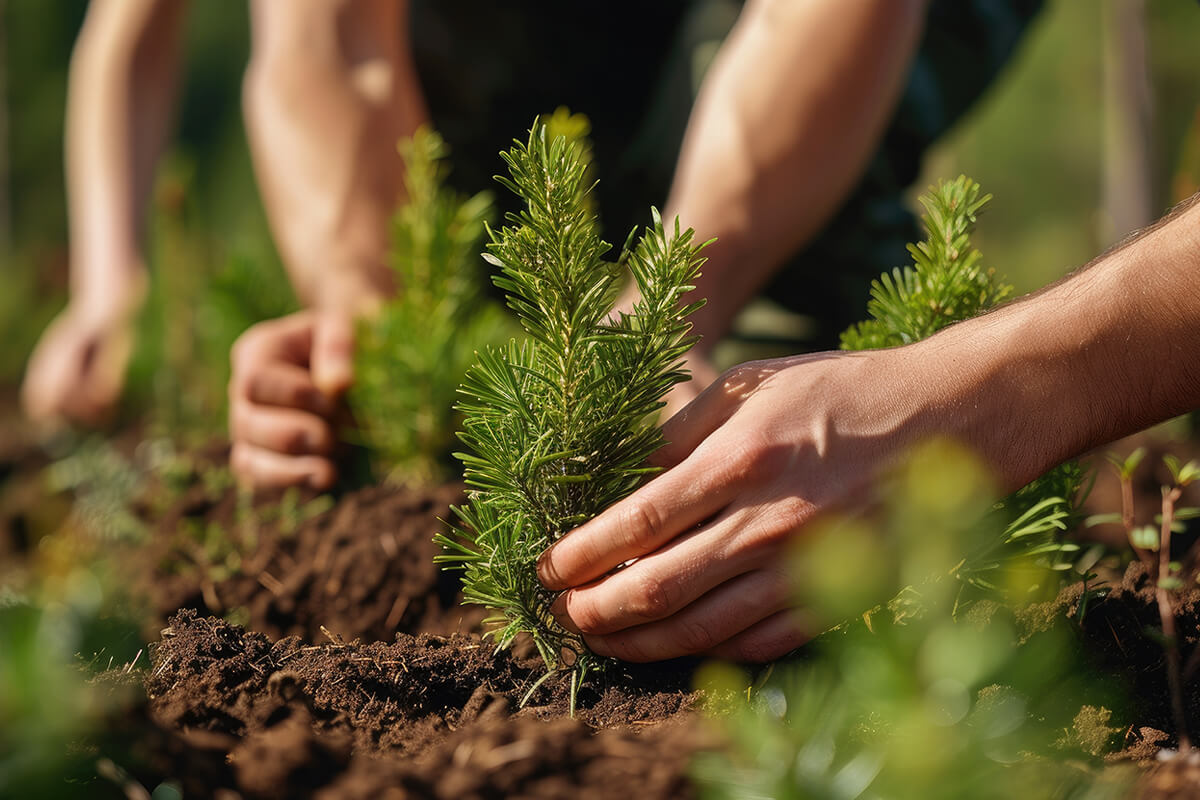
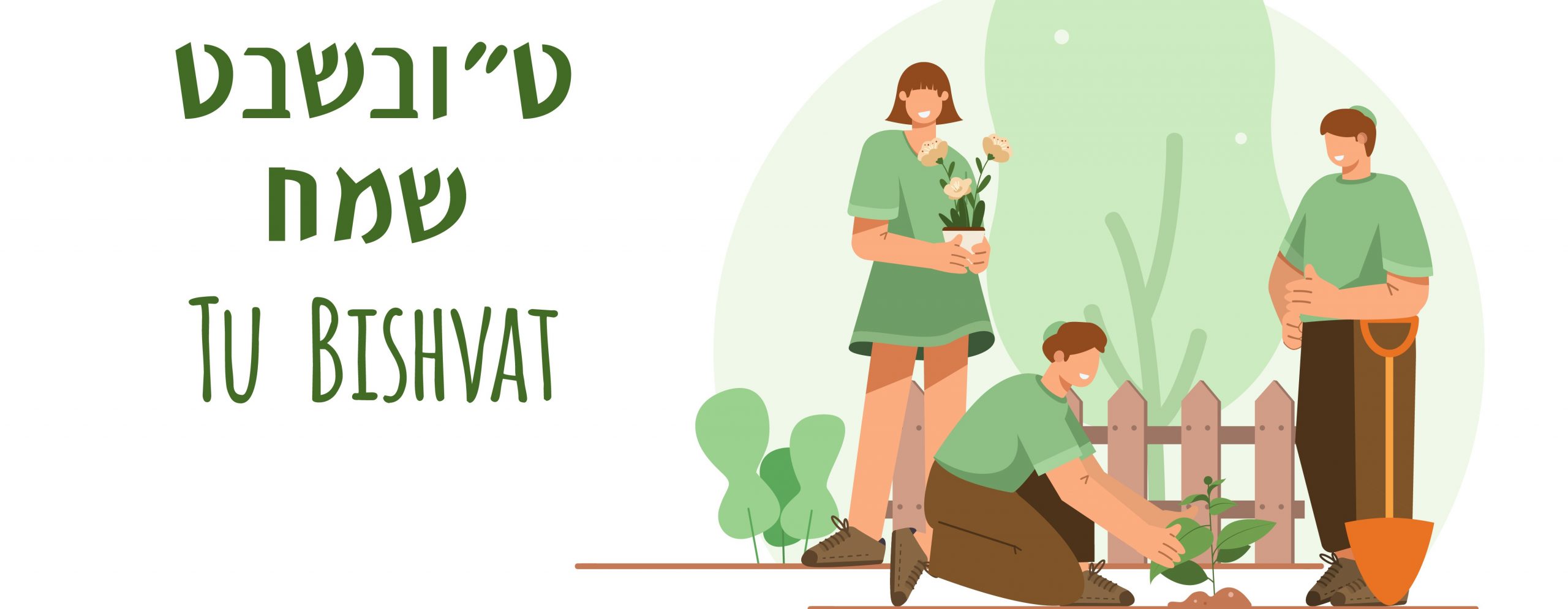
Planting a tree on TuBishvat

Tu BiShvat: Welcoming the New Year of the Trees

Learn about this unique Jewish holiday, where it comes from, and its most popular customs!

As the season settles into a quieter rhythm after Hanukkah and the secular New Year, things may currently feel slower or more gloomy. But there is a meaningful, though often overlooked, Jewish holiday coming up: Tu BiShvat.

Also known as the New Year of the Trees, or in Hebrew Rosh Hashanah La’illanot, Tu BiShvat invites us to turn our focus to nature, growth, and new beginnings. Tu BiShvat 2026 begins at sundown on Sunday, February 1, and continues until sundown the following day.

What is Tu BiShvat?

Tu BiShvat is a minor festival that takes place on the 15th day of the Hebrew month of Shvat, with the name itself referring to the date. It originates in the Mishnah (the first part of the Talmud, also known as the Oral Torah) and was an agricultural holiday in the Biblical Land of Israel.

Many communities celebrate it today by honoring the Earth, planting trees, and eating the Seven Species of Israel (wheat, barley, grapes, figs, pomegranates, olives, and dates) along with other fruits and nuts.
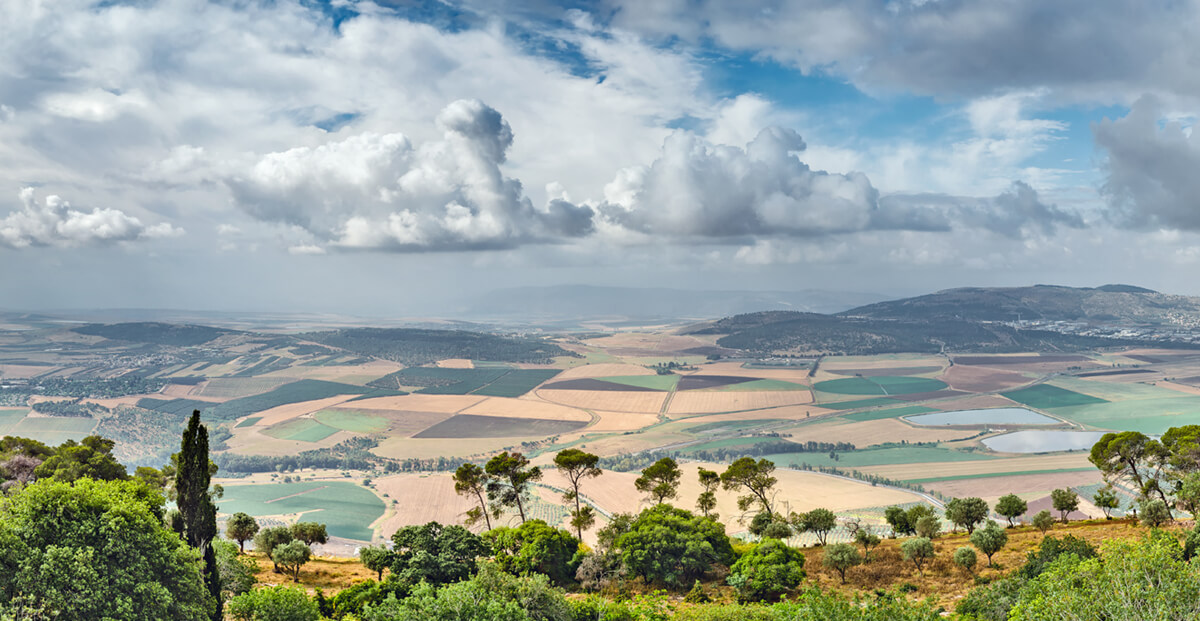
 

Landscape Jezreel valley


The New Year of the Trees

In Israel, Tu BiShvat is commonly a day for planting trees and celebrating nature, particularly the special bounty of the Land of Israel.

In Biblical times, Tu BiShvat marked a point between growing seasons and the start of a new agricultural year. It was used as a sort of "birthday" for all the trees in the Land of Israel in order to keep track of their age, which was important for calculating fruit bearing cycles as well as keeping track of contributing crops to the Temple and to the poor.

Today, the idea of a tree's "birthday" is less important from a practical standpoint, but the holiday's strong association with trees remains. Modern Jewish communities connect with the "New Year of the Trees" by planting trees around this time, particularly in the Land of Israel, and also often extend the theme of the holiday to honoring all nature.

It's common to use Tu BiShvat as an opportunity to participate in, donate to, and spread awareness of environmental causes and to honor the Earth.
 

btn
Plant your own tree in Israel
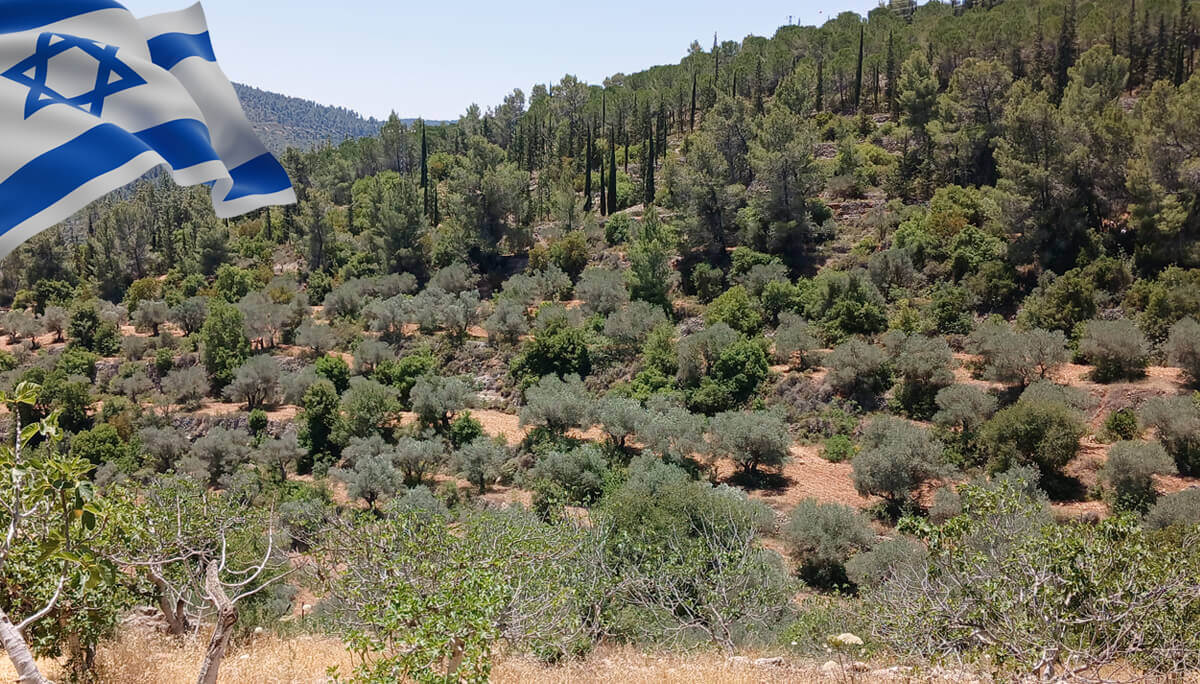
KKL forest Jerusalem hills

In honor of Tu BiShvat, we’re helping our customers plant their own trees in Israel from afar! For every order of $120 and up (excluding taxes and shipping) on our site through February 15, 2026, we will donate to Keren Kayemet LeYisrael (KKL-JNF) to have a tree planted in your name in Israel at no extra cost to you.

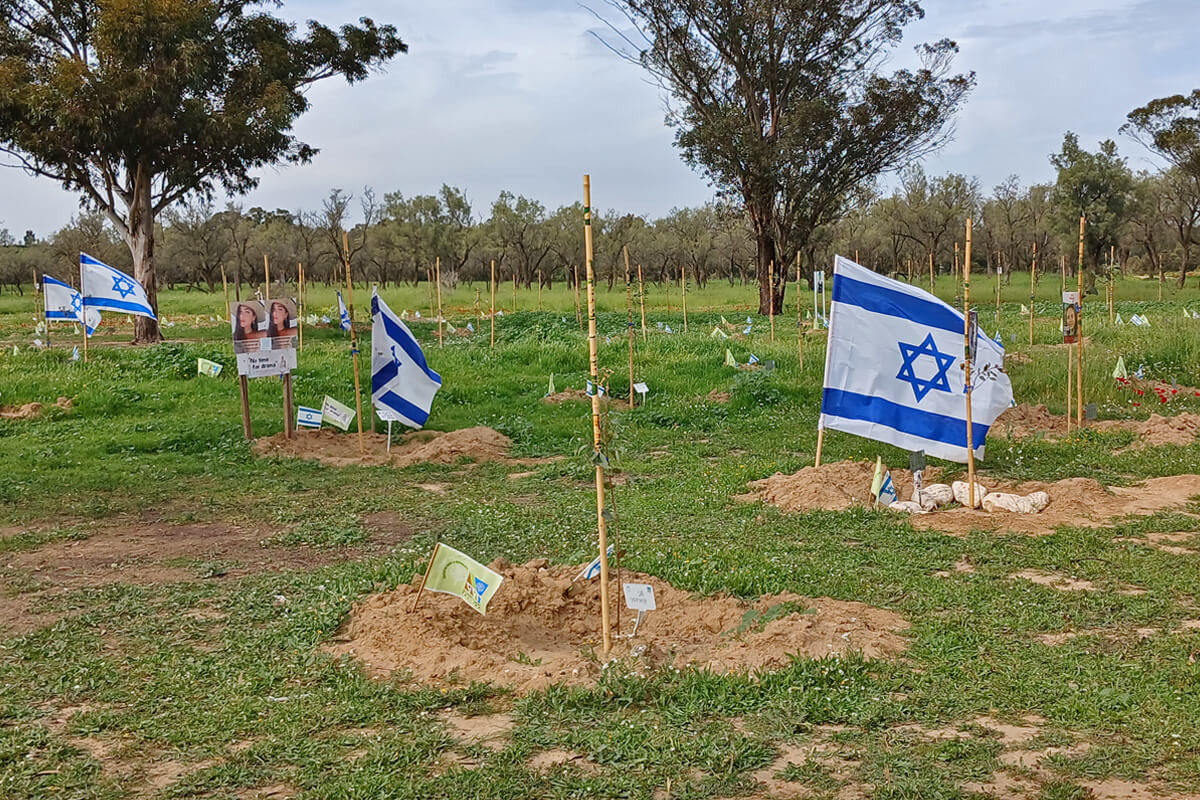
This year, we have chosen to donate to the Re’im Forest, the site of the Nova Music Festival massacre on October 7, 2023, which has since been developed into a memorial site with the support of KKL-JNF.


Reim Forest
Re’im Forest, Nova Music Festival memorial site


You may also purchase your own tree, or additional trees, here.

Read more details here, and get your own free tree in Israel by shopping on our site today!

btn
The Seven Species
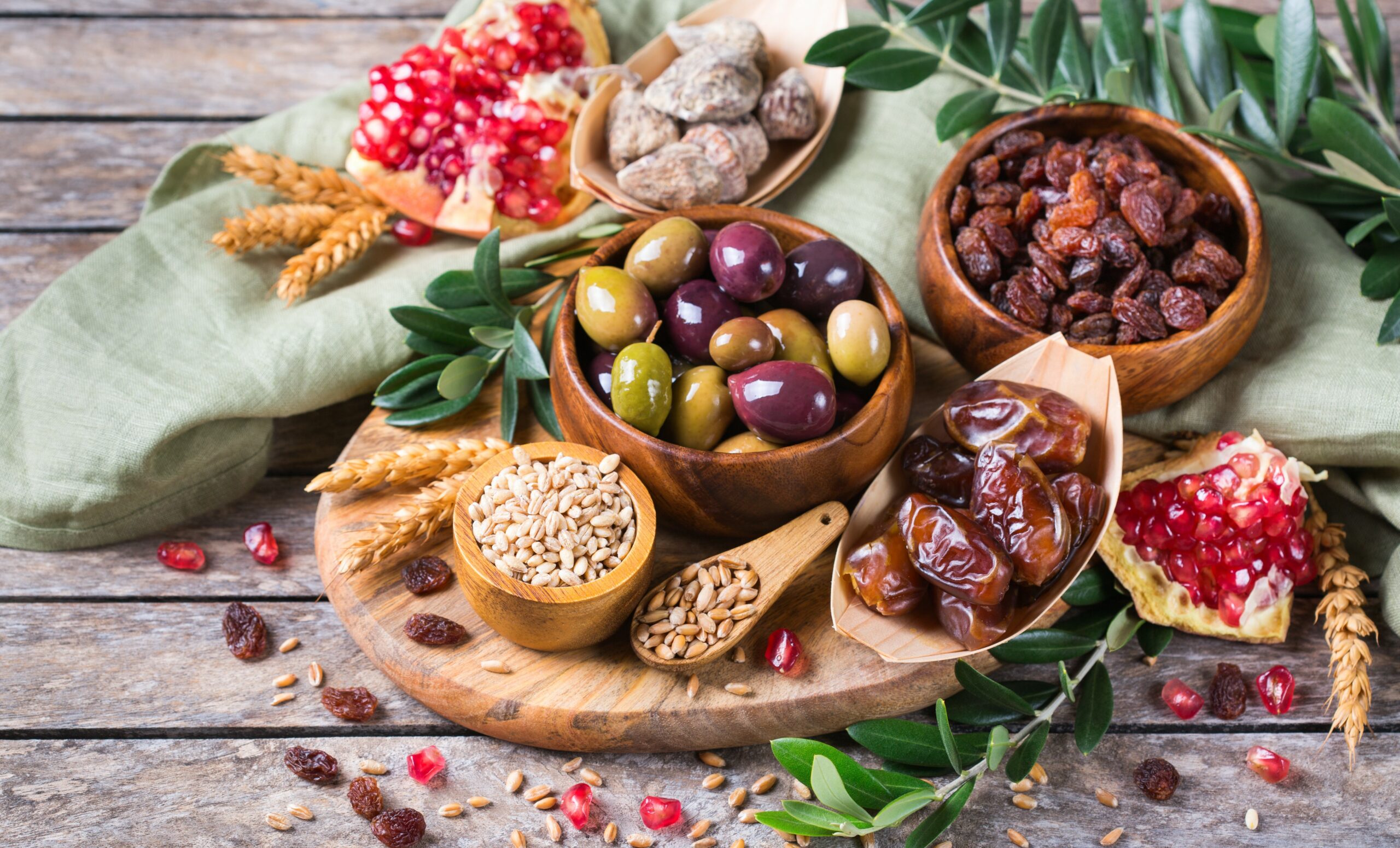
Tu Bishvat holiday symbols - dried fruits, pomegranate, barley, wheat

Another modern custom that has emerged around the holiday of Tu BiShvat is the eating of special foods representing nature's bounty and the Land of Israel, particularly fresh and dried fruit, nuts, and the Biblical Seven Species of Israel: wheat, barley, grapes, figs, pomegranates, olives (or olive oil), and dates (or date honey).

These Seven Species are indigenous to the Land of Israel and still grown and harvested there today, and are listed in the Hebrew Bible as being particularly special to this land.

Some people even hold a Seder, a special ritual meal, on Tu BiShvat that involves the Seven Species. 

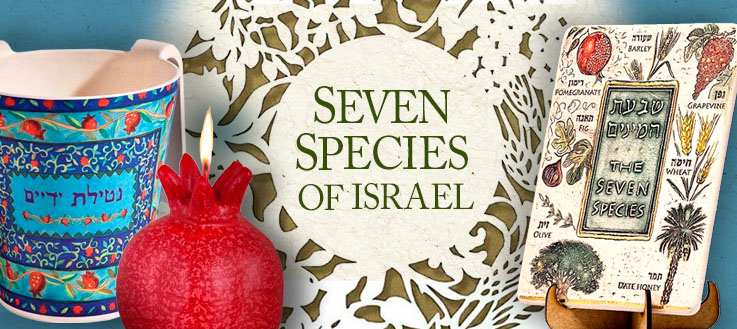
Read more about the Seven Species and what they represent here, explore our Seven Species-themed gifts, and discover creative recipes using the Seven Species to brighten your Tu BiShvat.

btn
Seven-Species-of-Israel-CAT-M
Other Tu BiShvat Foods
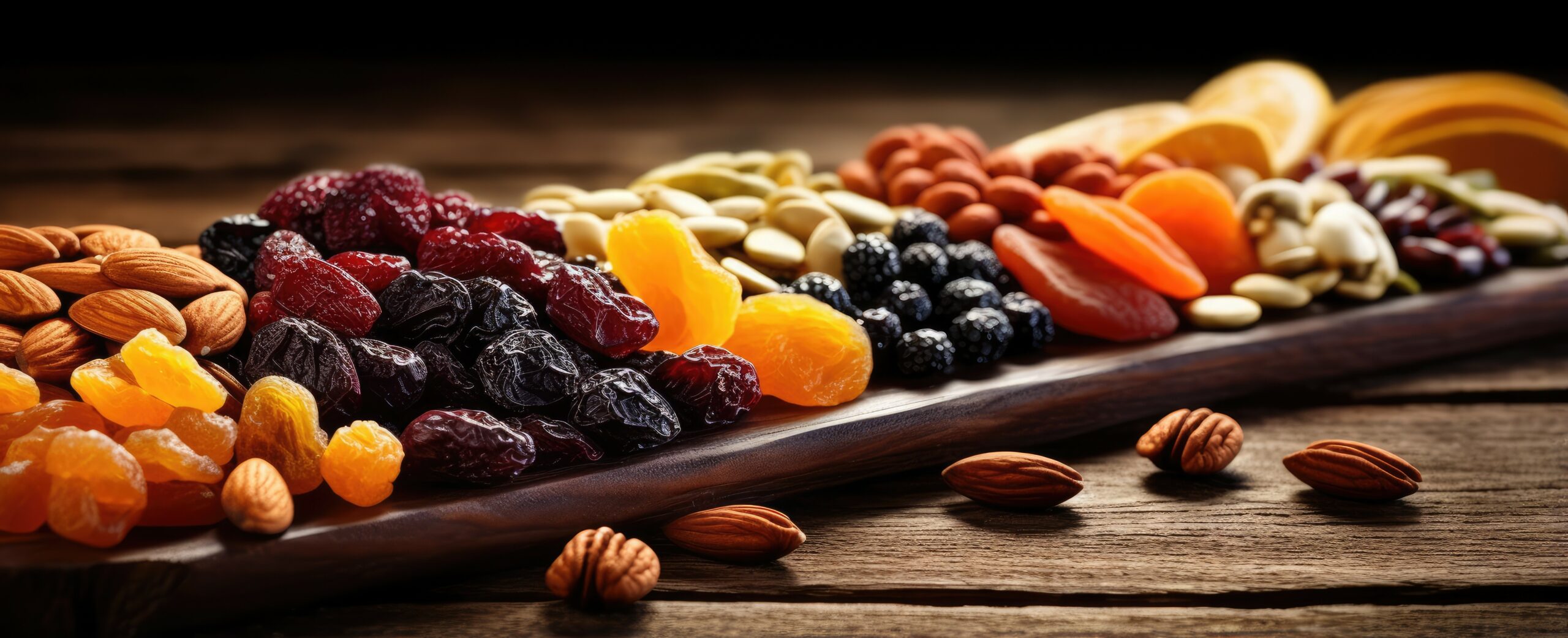
Assorted dried fruits and nuts on a dark wood backdrop with focused contrast

Other commonly eaten Tu BiShvat foods include apples, carob, almonds, other nuts, and dried fruit like apricots and raisins. Some may also include honey as a nod to the "Land of Milk and Honey" as Israel is referred to in the Bible, as well as wine to make it a truly special occasion.

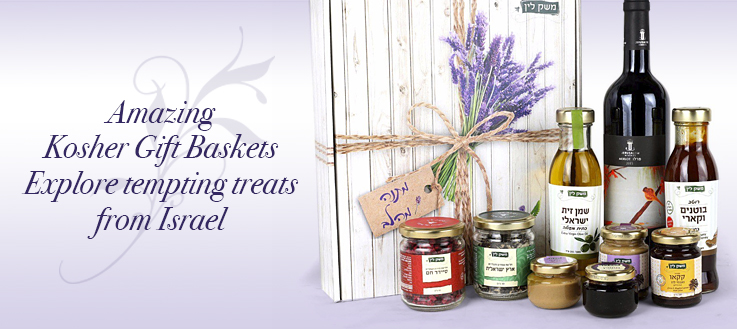
For many Jews in the diaspora it is particularly special and important to eat produce from the Holy Land if possible, and they may order wines or gift baskets specially from Israel for an extra-meaningful connection to the Torah and our indigenous Jewish homeland.

Israelis, meanwhile, often associate Tu BiShvat with colorful spreads of dried fruits and nuts, or other favorite locally grown produce.

Indulge in some of the best the Land of Israel has to offer this Tu BiShvat season with our kosher gift baskets.

btn
Kosher gift baskets
Tu BiShvat Jewish Art

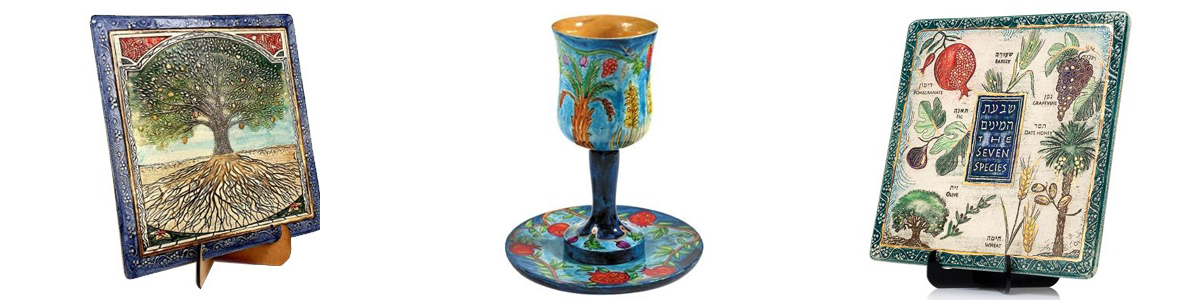
Tu Bishvat art


While Tu BiShvat doesn’t have any special required Judaica, many Jewish artists and designers incorporate colorful motifs featuring trees, nature, or one or more of the Biblical Seven Species into wonderful Tu BiShvat-themed items that can be used for the holiday itself, or any time of year whenever one wants to connect with Israel’s natural bounty.

It may have evolved and changed significantly from its Biblical roots, but we’re thankful that Tu BiShvat still remains such a special date in the Jewish calendar. It’s a wonderful opportunity to recognize the life-giving beauty of our planet and celebrate the incredible gifts that trees give us each and every year!

On behalf of Judaica WebStore and all of Israel, we wish our readers (and the trees, of course!) a wonderful Chag Sameach!

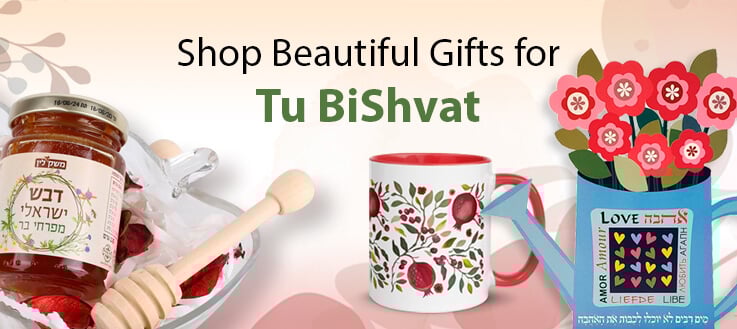
Celebrate the New Year of the Trees with our Tu BiShvat-inspired gifts from the Land of Israel!

And don’t forget to get your free tree donation with any order of $120+ on our site!


For more information about our research process, sourcing, and editorial review, please see our editorial standards and content policy.

btn
Tu-BiShvat gifts

JWS POST YOU MAY LIKE

Passover 2026 all you need to know
Passover 2026: The Complete Guide
Whether you’re planning your first Seder or refreshing your family traditions, this Passover guide walks you through every step. Explore
Israeli Air Force 2026 Adir
Inside the Israeli Air Force 2026: Innovation in the Skies
From stealth fighters and laser defense to record-breaking pilots, take a look inside the Israeli Air Force in 2026 and
Seder table
First Night of Passover 2026: All You Need to Know
When Is Passover 2026? Passover (Pesach) follows the Hebrew calendar and begins on the 15th of Nisan. This year, it
The River Nile
The Exodus from Egypt: Why It Could Only Have Happened There and Then – By Dr. Liora Ravid
The Exodus from Egypt is remembered above all for the great and amazing miracles that God performed for the Israelites
Boy eating matzah
Matzah: Everything You Need to Know About Passover's Most Important Food
It is made from just two ingredients. It takes eighteen minutes to prepare. It has no flavor that would make
Passover seder plate with vegan options
How to Make a Vegan Seder Plate with Traditional Alternatives
Creating a vegan Seder plate is easier than you might think. Four traditional Seder foods are already plant-based. Discover the