It is made from just two ingredients. It takes eighteen minutes to prepare. It has no flavor that would make a food critic pause, no texture that would earn a Michelin star, and no aroma that would stop you in your tracks. And yet, for thousands of years, this humble, cracker-thin unleavened bread has held an entire civilization together, carrying the weight of history, the memory of suffering, and the eternal, unbreakable promise of freedom on its impossibly thin shoulders.
We are talking, of course, about matzah.
But how much do we really know about it? Beyond the familiar story we retell each year at the Seder, the hurried departure from Egypt, the bread that had no time to rise, lies a world of history, tradition, debate, symbolism, and meaning that most of us have barely scratched the surface of.
This Passover, we are inviting you to pull up a chair, pour yourself a glass of wine, the first of four, naturally, and take a deeper, richer, more meaningful look at the food that has fed our people, fueled our faith, and told our story longer than almost anything else in Jewish life. By the time you finish reading, we promise you will never look at that square of unleavened bread quite the same way again.
1. What Is Matzah? Understanding Passover’s Unleavened Bread
2. The Paradox of Matzah: Bread of Slavery and Freedom
3. Why We Eat Matzah: The Biblical Commandment
4. How Matzah Is Made: The 18-Minute Rule
5. Types of Matzah: From Soft to Shmura
6. The Afikomen: The Hidden Piece of Matzah
7. Eating Matzah During the 8 Days of Passover
8. Questions About Matzah
1. What Is Matzah? Understanding Passover’s Unleavened Bread
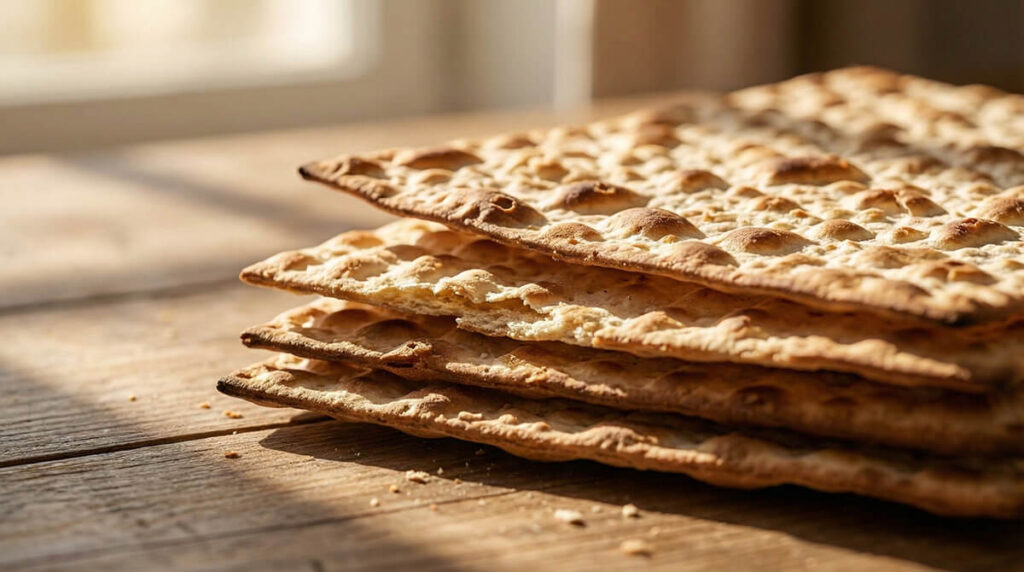
Matzah (also spelled matzo or matzoh) is unleavened flatbread made from just two ingredients: flour and water. It is the most important food of Passover, so central to the holiday that Passover is sometimes called “Chag HaMatzot”, the Festival of Matzah. If you are asking, “what is matzah?”, the answer lies in its profound simplicity and historical weight.
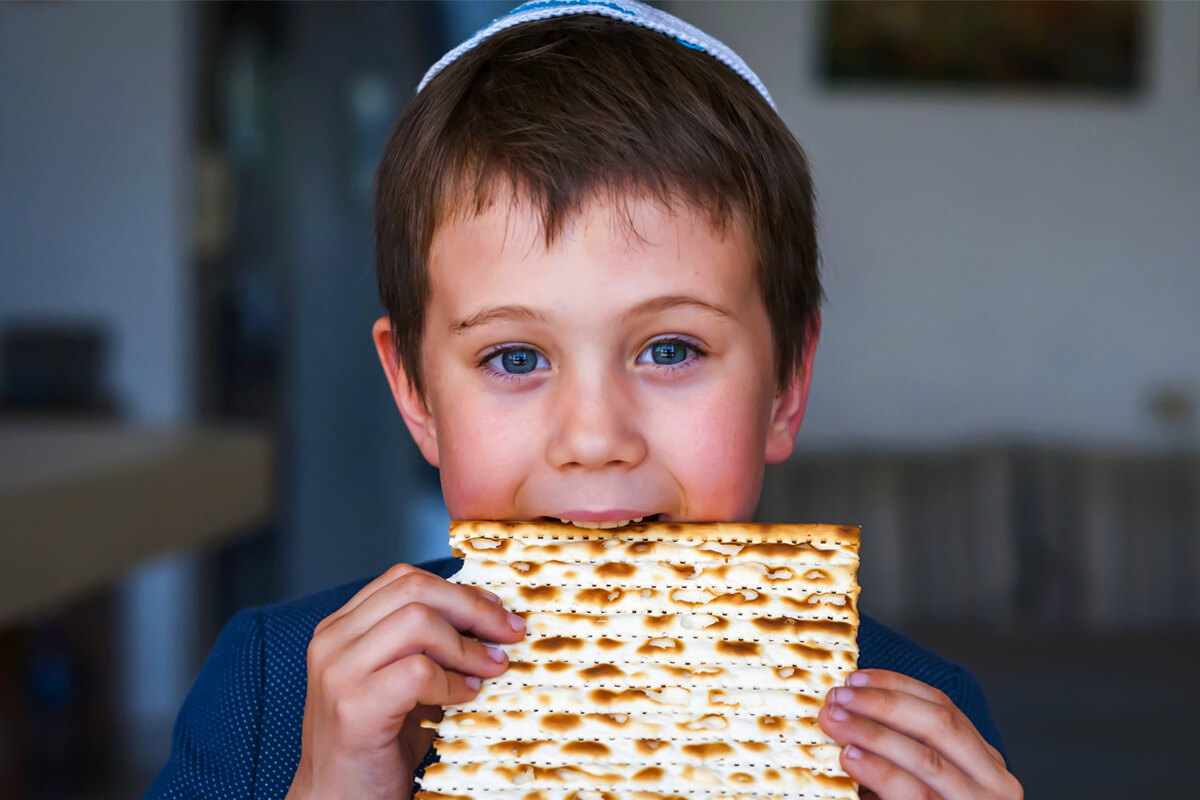
At its core, this unleavened bread is baked rapidly before the dough has any chance to rise. No leavening agents, like yeast or baking soda, are permitted. Eating this simple bread is a biblical commandment during Passover, where it is often referred to as “lechem oni”, the bread of affliction or poverty. By stripping away all enrichments and additions, passover matzah forces us to return to the absolute basics of sustenance.
Why does it matter so much? Matzah is the only food in Judaism that carries a specific biblical commandment to be eaten annually. Its recipe has remained essentially unchanged for over three millennia, acting as a culinary time machine that connects the modern Jewish experience directly back to the Exodus from Egypt. It is not just a food to snack on; it is central to Passover observance and is mandated to be eaten at specific, ritualistic times during the Seder.
While most people immediately picture the crisp, cracker-like squares found in grocery stores, matzah actually comes in two primary forms. There is the familiar crisp variety, and there is also a soft, wrap-like version. Both are deeply traditional, though they originate from different historical and geographic communities.
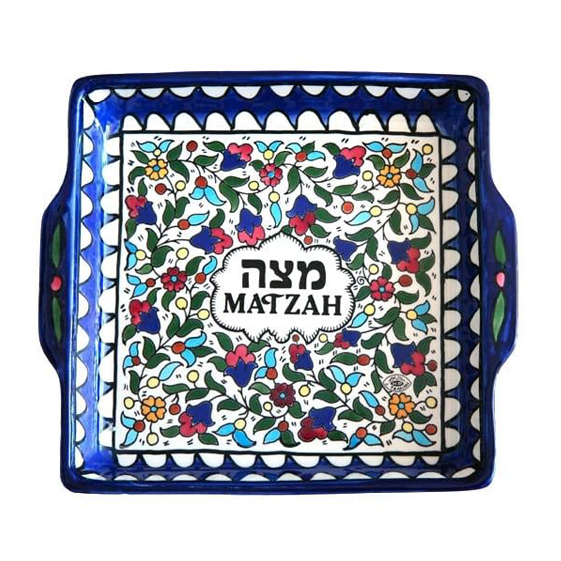
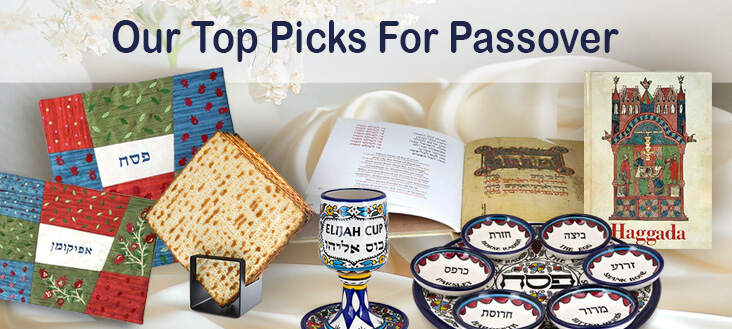
Classic Armenian Ceramic Matzah Plate – Choice of Design
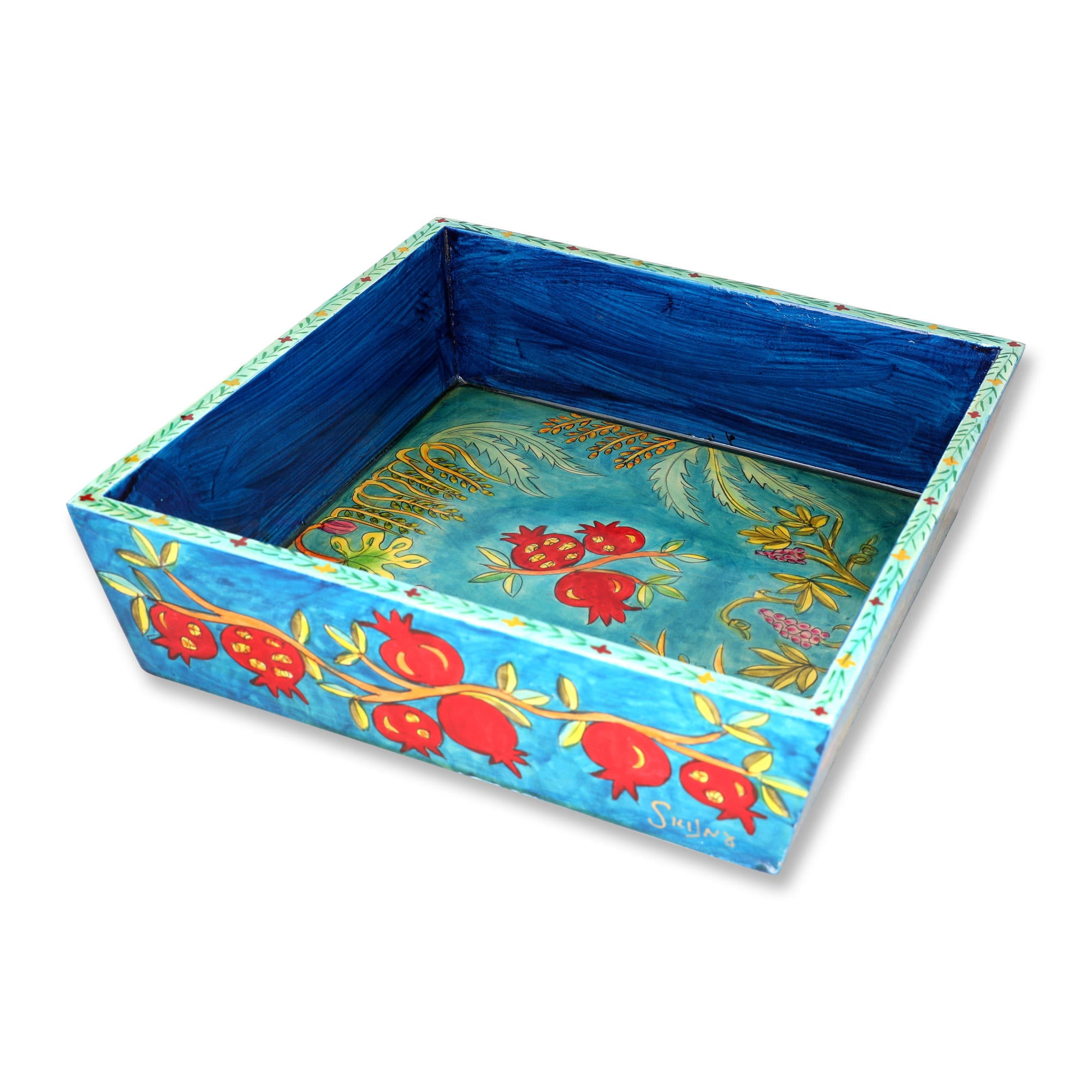
Yair Emanuel Wooden Matzah Tray Seven Species
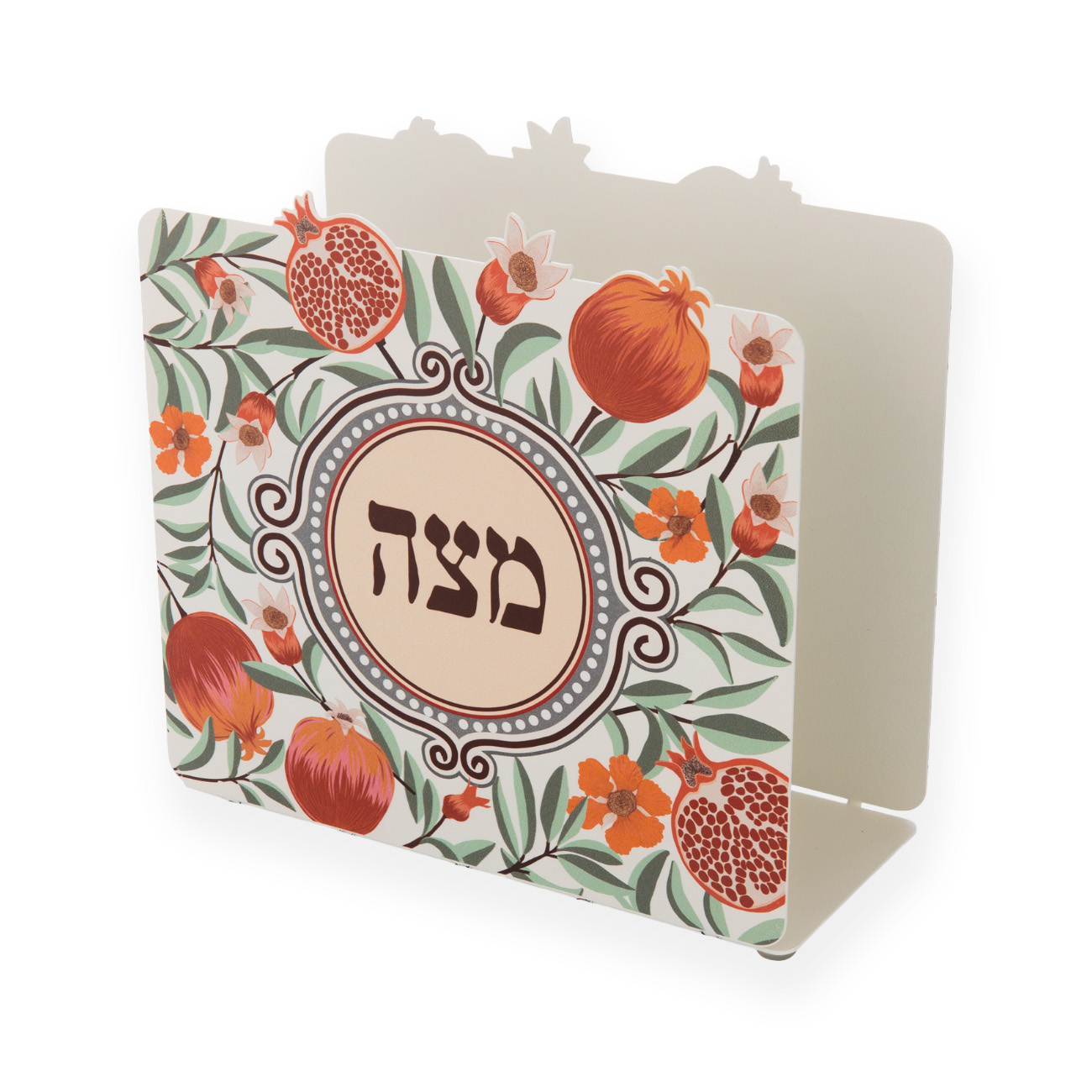
Matzah Stand with Floral Design by Dorit Judaica
2. The Paradox of Matzah: Bread of Slavery and Freedom
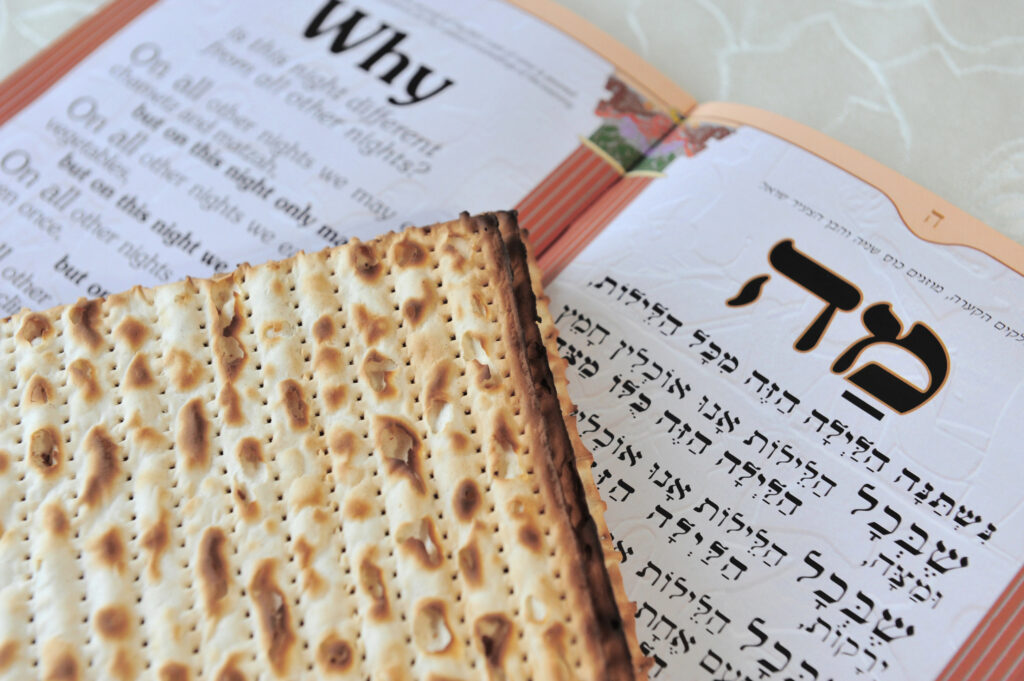
Matzah holds a unique paradox in Jewish tradition, it represents both slavery and freedom. This dual matzah meaning makes it one of the most powerful and complex symbols of Passover.
Matzah as “Bread of Affliction”
As mentioned, matzah is the bread of affliction, which the Israelite slaves ate during their bitter bondage in Egypt. Because it consists of merely flour and water with no enrichment, salt, or oil, it is the ultimate poor man’s food. It represents the hardship, poverty, and grueling labor of slavery. This is why, at the very beginning of the Seder, we point to the unleavened bread and declare, “Ha lachma anya“, “This is the bread of affliction that our ancestors ate in the land of Egypt”. We eat it plain to viscerally taste the deprivation our ancestors endured.
Matzah as the Bread of Freedom
Conversely, matzah is also the ultimate symbol of liberation. As the Israelites fled their oppressors, they baked this bread in tremendous haste. It represents the suddenness and speed of God’s redemption; liberation happened so fast that the dough did not even have time to rise (Shemot/Exodus 12:39). It is a symbol of profound faith, as the Israelites marched into the barren desert with nothing but this simple, unfermented provision on their backs.
The Paradox How can one piece of bread embody both subjugation and salvation? Biblical scholars and rabbis debate whether slaves actually ate matzah while enslaved in Egypt, or if this interpretation was layered on later. What is clear from the Torah is that the Israelites baked matzah as they fled because they left “in haste.” Ultimately, what matters at the Seder table is that we experience both the bitterness of slavery and the joy of freedom through this one simple food, acknowledging that the transition from bondage to liberation can happen in the blink of an eye.
3. Why We Eat Matzah: The Biblical Commandment
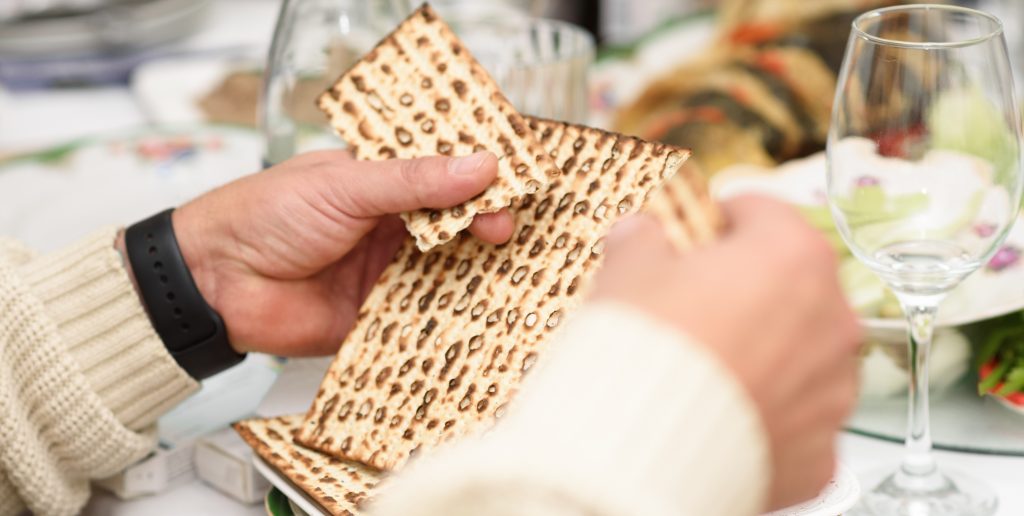
The commandment to eat matzah comes directly from the Torah, connecting us to the story of the Exodus from ancient Egypt. It is the foundational text that binds passover and unleavened bread together.
In the book of Shemot (Exodus 12:15-20), God commanded the Israelites to eat only unleavened bread for seven days and to completely remove all “chametz” (leavening or leavened products) from their homes. Notably, this instruction was given before the actual Exodus took place; it was part of the divine blueprint for the very first Passover.
The night of the Exodus solidified this practice into historical memory. (Shemot 12:39) recounts that the Israelites left Egypt in such an urgent rush that “they baked unleavened cakes of the dough that they had taken out of Egypt, for it was not leavened, since they had been driven out of Egypt and could not delay.” They carried the raw dough on their shoulders in the hot desert sun, baking it flat without giving it a moment to rise.
This event birthed an annual remembrance. We are commanded to eat biblical matzah every Passover (Shemot 13:6-7) for seven days in Israel, and eight days in the Diaspora. In (Deuteronomy 16:3), it is explicitly called the “bread of haste.” But this is not merely a memorial dinner. Jewish tradition dictates that in every generation, we must view ourselves as if we personally left Egypt.
Passover is officially called “Chag HaMatzot” (The Festival of Matzah) in the Torah, emphasizing that actively eating this bread is the central “mitzvah” (commandment) of the holiday.
4. How Matzah Is Made: The 18-Minute Rule
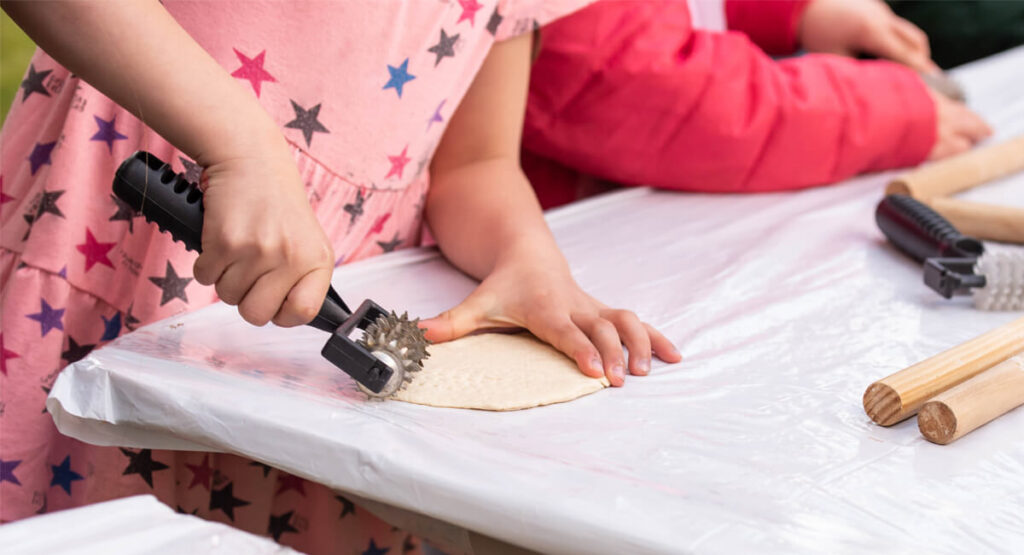
Making matzah is governed by strict rules designed to ensure it doesn’t become “chametz” (leavened). The most important rule? The entire process, from the second water touches flour to removing the baked bread from the oven, must take less than 18 minutes.
The Two Ingredients
Kosher for Passover matzah contains only flour and water. There is absolutely no yeast, oil, sugar, or salt added. The flour must come from one of five specific grains: wheat, barley, oats, spelt, or rye. The water used must be drawn from a natural source and kept cold to prevent any premature fermentation. These two ingredients are heavily guarded and kept strictly separate until the exact moment of mixing.
The 18-Minute Rule
If you are wondering how is matzah made, it is all about beating the clock. Once flour touches water, the natural fermentation process begins. “Halakhic” (Jewish) law dictates that 18 minutes is the absolute maximum time allowed before dough naturally becomes chametz.
Why 18 minutes? This is based on a Talmudic calculation regarding how long it takes to walk a certain distance (a “mil”). The rabbis determined this is the precise window before natural fermentation takes hold. Because of this 18 minute rule matzah production is incredibly fast, intense, and highly coordinated.
The Baking Process
Hand-Made Matzah: Made primarily in artisan bakeries, the dough is mixed, kneaded, and rolled out very thin by hand. It is rapidly perforated with a special tool (called a “reidel”) to prevent any air bubbles from forming, and then thrown into a roaring hot oven (around 800°F / 425°C). Hand-made matzot are traditionally round, and an entire batch goes from raw ingredients to fully baked in just minutes.
Machine-Made Matzah: Invented in France in 1839, the matzah-making machine revolutionized the process. Though controversial among rabbis at first, it is now widely accepted. These machines produce the uniform, square sheets most commonly seen today, churning out thousands per hour while still strictly adhering to the 18-minute requirement.
What Makes It Not Rise
The science of unleavened bread is simple: no yeast is added, and the extreme heat of the oven sets the dough immediately before natural fermentation can occur or gluten can trap gas. Symbolically, this speed represents faith and obedience. There is no time for the bread to “puff up”, a physical representation of ego and arrogance. Matzah represents humility; it is just the basics, with nothing extra.
✓ Tip: Many synagogues and local Jewish communities host matzah-baking events before Passover, where participants can observe or help with the traditional process under expert supervision. It’s an incredible hands-on way to understand the holiday!
5. Types of Matzah: From Soft to Shmura
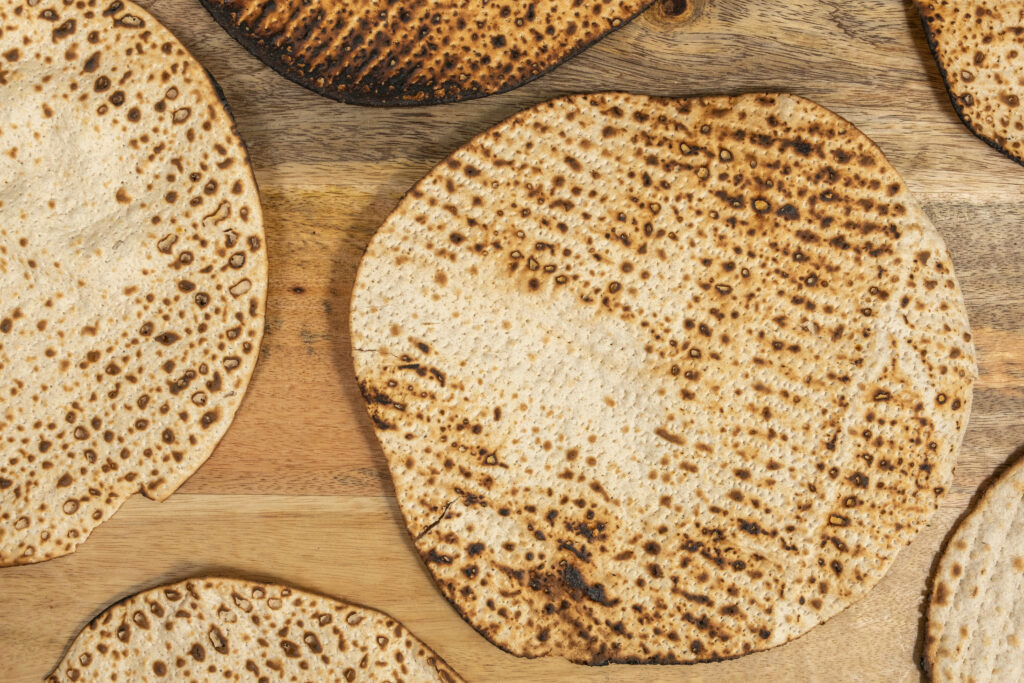
Not all matzah is created equal. From hand-made to machine-made, soft to crisp, there are several types of matzah, each with its own traditions, history, and culinary uses.
Shmura Matzah (Guarded Matzah)
“Shmura” translates to “guarded” or “watched.” For this premium type, the wheat is carefully guarded from any moisture from the very moment it is harvested in the field, representing the highest level of kosher for passover matzah supervision. It is almost always made by hand in the traditional round shape. Because of the intense labor and strict supervision, it is significantly more expensive.
✓ Observation: Shmura matzah has a distinct flavor profile compared to standard grocery store boxes, it is nuttier, slightly sweet, and features a thicker, more substantial texture that breaks with a satisfying snap. It is the preferred choice for many Orthodox communities to fulfill the specific Seder mitzvah.
Regular Machine-Made Matzah
This is the crisp, square, cracker-like matzah most people are familiar with. It is mass-produced in factories, ensuring uniform thickness, a very long shelf life, and affordability. The flour is guarded from the time of milling (rather than harvesting). This is the standard in Ashkenazi communities, is the most common type worldwide, and is perfectly acceptable for eating throughout Passover week.
Soft Matzah (Laffa-Style)
Looking much more like a thick pita, laffa, or tortilla, soft matzah is thicker and more pliable than the crisp varieties. All matzah was likely soft until the late 18th century. When the matzah machine was invented in 1839, crisp matzah became wildly popular among European Ashkenazi Jews due to its extended shelf life.
However, many Sephardic communities (particularly Yemenite and Iraqi Jews) maintained the ancient tradition of soft matzah. Soft matzah must be eaten within a day or two of baking or frozen immediately. It makes executing the famous “Hillel sandwich” (korech) at the Seder much more practical!
✓ Note: Soft matzah offers a completely different experience. It is easier to eat, more bread-like, and historically closer to what the Israelites likely baked in the desert. For those familiar only with crisp Ashkenazi-style matzah, tasting authentic Sephardic soft matzah can be eye-opening.
Specialty Matzah Varieties
Modern bakeries have introduced several variations to accommodate dietary needs:
- Whole wheat matzah: A higher-fiber, healthier option.
- Spelt matzah: Made from an ancient grain offering a different flavor profile.
- Oat matzah: Often sought by those with gluten sensitivities (though there is rabbinic debate over whether it fulfills the Seder mitzvah).
- Egg matzah: Enriched with eggs or fruit juice. Under strict Orthodox law, this is only permissible for the elderly or ill, and cannot be used to fulfill the obligation at the Seder.
- Gluten-free alternatives: Usually potato or tapioca-based. While great for snacking, these do not fulfill the religious mitzvah according to Orthodox authorities because they do not contain the required grains.
6. The Afikomen: The Hidden Piece of Matzah
One of the most memorable and beloved parts of the Seder for many children (and adults!) is the afikomen tradition, the hidden piece of matzah that turns the religious meal into an exciting game of hide-and-seek.
What Is the Afikomen?
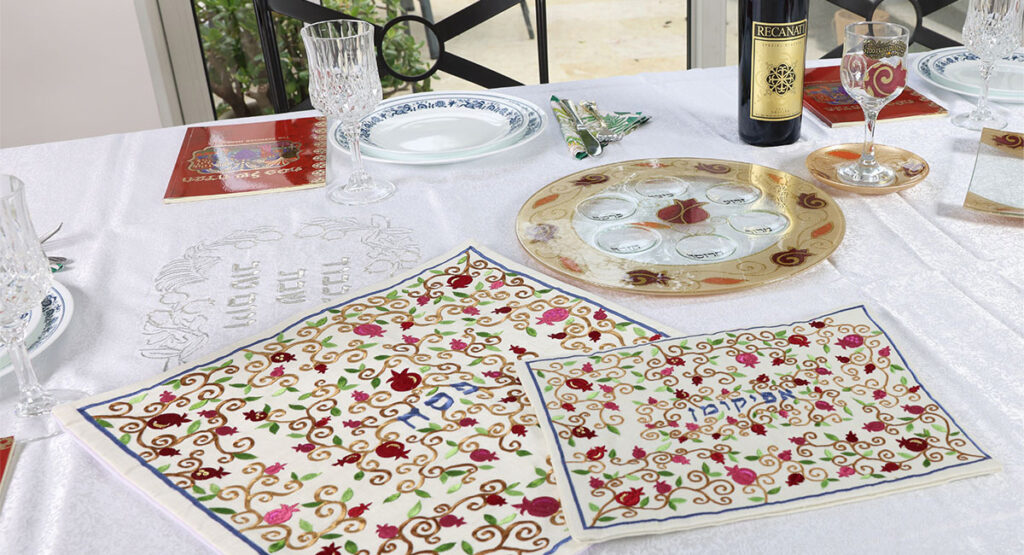
The word “afikomen” actually comes from Greek, roughly translating to “dessert” or “that which comes after.” Early in the Seder, the leader takes the middle matzah of the three placed on the table and breaks it in half. The smaller piece is returned to the Seder plate to be eaten later as the “bread of affliction.” The larger piece is wrapped up and set aside; this becomes the passover afikomen.
The Hiding Tradition
Depending on your family’s specific tradition, the afikomen meaning comes to life through a game.
- Version 1: The Seder leader hides the wrapped matzah somewhere in the house, and the children must search for it after the meal.
- Version 2: The children are encouraged to playfully “steal” the afikomen while the leader is distracted, hide it themselves, and then hold it for “ransom.”
Why do we do this? Practically, it keeps children engaged, awake, and excited during a ceremony that can last for hours. It teaches them that they are essential to the Seder; the adults literally cannot finish the religious ritual without them. Children who find or return the afikomen traditionally receive a prize, often money, candy, small toys, or Judaica items.
The Religious Significance
Beyond the fun, the afikomen holds deep religious weight. The Seder officially cannot end until everyone at the table eats a piece of it, and halakha requires it to be consumed before midnight. It is the very last thing eaten at the Seder, ensuring the taste of matzah lingers in our mouths.
Spiritually, it represents the “korban Pesach” (the Paschal lamb sacrifice) that was eaten at the very end of the meal during the times of the Holy Temple in Jerusalem. Each person must eat at least a “kezayit” (an olive-sized portion, roughly 1/3 to 1/2 of a standard machine matzah) while reclining to the left, and no other food or drink may be consumed afterward, save for the final two cups of wine.
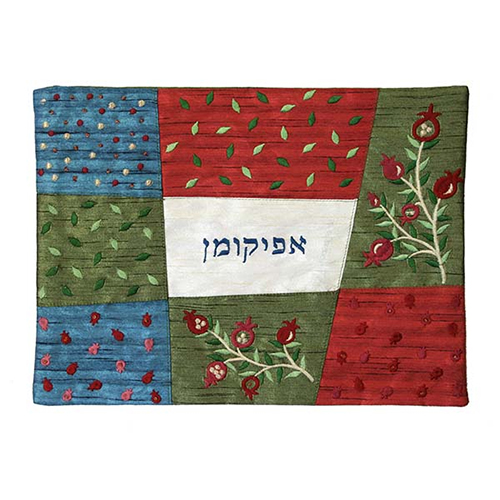
Colorful Yair Emanuel Embroidered Afikoman Bag with Pomegranates
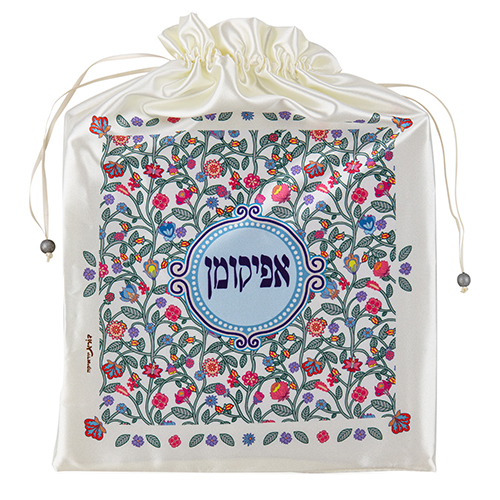
Satin Bohemian Floral Afikoman Bag by Dorit Judaica
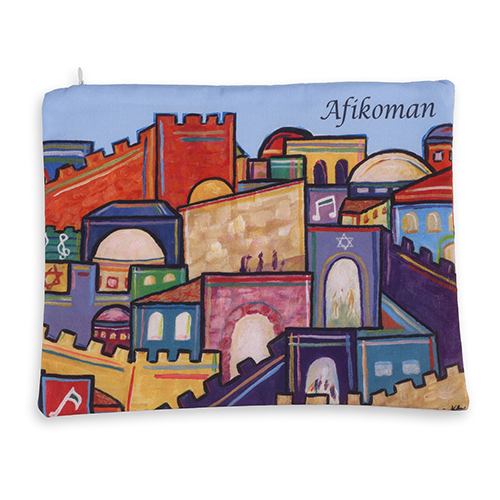
Artistic Afikomen Bag With Old City of Jerusalem Design By Jordana Klein
7. Eating Matzah During the 8 Days of Passover
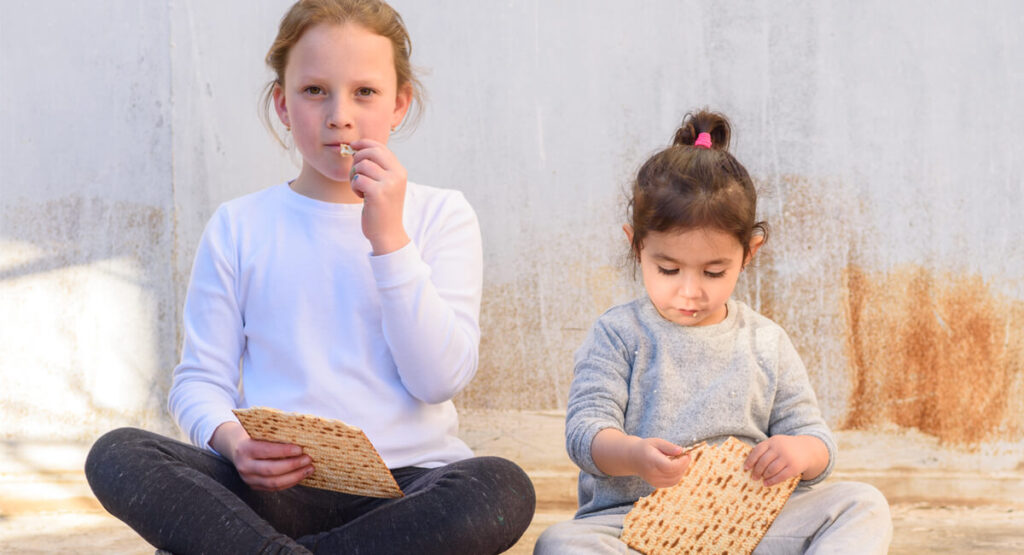
While matzah is required at specific moments during the Seder, what about the rest of Passover week? There is often confusion about what is legally required versus what is simply customary.
When Matzah Is Required (The Mitzvah)
Eating matzah is only a strict biblical/rabbinical obligation on the night(s) of the Seder. You are required to eat it at three specific times:
- After the blessing of “hamotzi” and “al achilat matzah”.
- During the Hillel sandwich (korech) alongside the bitter herbs (maror).
- At the end of the meal as the afikomen.
See full details at our first night seder article
The Rest of Passover
For the remainder of the holiday, you can eat matzah, but you are not religiously required to do so. The primary obligation during matzah week is to avoid chametz completely. Many Jews do eat matzah daily as a bread substitute for sandwiches or snacks. However, some actually avoid eating it in its raw form after the Seder nights simply to avoid getting sick of it!
Common Practices and “Gebrochts”
Throughout the week, matzah meal is heavily used for baking and cooking. A beloved breakfast staple is “matzah brei” (fried matzah pieces mixed with eggs), and matzah “pizza” is a ubiquitous lunch for Jewish children.
It is worth noting the Hasidic custom regarding “gebrochts” (Yiddish for “broken” or “wet” matzah). Many strictly observant communities will not mix matzah with water during Passover week, fearing that an unbaked speck of flour might come into contact with the water and ferment into chametz. They will only eat wet matzah on the final day of Passover outside of Israel, which is a rabbinic addition rather than a Torah-mandated day.
By the end of the eight days, a feeling of “matzah fatigue” is incredibly common, making the return to fluffy, leavened bread a joyous occasion!
For more information about Passover in general, checkout our complete guide to Passover here
8. Questions About Matzah
What does matzah taste like?
Standard crisp matzah is quite bland, dry, and cracker-like. Because there is no salt, oil, or flavoring added to the kosher for passover matzah, some jokingly say it tastes like cardboard. Soft matzah, on the other hand, is much more bread-like and chewy. The crisp type’s flavor is easily improved by toasting it lightly or topping it with butter, cream cheese, or charoset.
Why is matzah called the “bread of affliction”?
Referred to in Hebrew as lechem oni, it represents the simple, unadorned bread that impoverished slaves would eat. Made from just flour and water, it is the most basic sustenance possible. It is also called the bread of “poverty” or “lowliness,” serving as an edible reminder of the harsh conditions of slavery in ancient Egypt.
Can you eat matzah all year round?
Yes! Matzah is widely available in grocery stores year-round. There is no religious restriction against eating unleavened bread outside of Passover. Many people eat it simply for convenience because it has an incredibly long shelf life and serves as a great, kosher cracker. Fun fact: Because it doesn’t create crumbs easily and lasts forever, matzah has even been sent into space for Jewish astronauts!
Is matzah healthy?
It depends on your dietary goals. A standard sheet is relatively low in calories (about 110 calories per sheet) and contains no fat or cholesterol. However, it is high in carbohydrates and very low in fiber (unless you purchase the whole wheat variety). Because it is entirely unfermented and dry, it can be notoriously constipating, so make sure to drink plenty of water during Passover! It does contain gluten, making it unsuitable for those with celiac disease unless a specialty oat matzah is used.
How long does matzah last?
Crisp, machine-made matzah can last 1 to 2 years if stored properly in a cool, dry place. It is best kept in its original packaging or a tightly sealed airtight container to prevent staleness. Soft matzah, because of its higher moisture content, will spoil in 1 to 2 days unless it is frozen immediately after baking.
Why do some matzahs have holes?
The distinct perforations on crisp matzah are functional; they prevent the dough from rising or puffing up in the oven. If air bubbles were to form, the bread could be considered chametz. Traditionally, a specialized rolling tool called a “reidel” is used to quickly punch these holes, which also helps the flatbread bake rapidly and evenly.
Can you make matzah at home?
Technically yes, but it requires significant knowledge, care, and preparation. You must be able to complete the entire process, from mixing the water and flour to taking the baked bread out of the oven, in under 18 minutes. You also need an exceptionally hot oven. For Passover observance, it is much safer and easier to buy certified matzah from a reliable kosher supplier.
What’s the difference between matzah and matzo?
They are the exact same thing! The difference is purely in the spelling and pronunciation. “Matzah” (or “matza”) is a more accurate English transliteration of the modern Hebrew pronunciation. “Matzo” (or “matzoh”) reflects the traditional Ashkenazi (Eastern European) pronunciation.
Why is matzah so expensive?
This is especially true for hand-made shmura matzah. The high cost reflects the incredibly labor-intensive hand production, the need for strict kosher supervision year-round (guarding the wheat from the time of harvest), and the high rate of waste (if a batch takes 19 minutes, the whole batch is thrown out). Furthermore, facilities must be meticulously cleaned and are often only operational for a limited time before the holiday.
What do you do with leftover matzah?
Because crisp matzah keeps so well, you can easily seal it up and save it for snacking throughout the year. It can be used in recipes like matzah brei or crushed to make breading for chicken. If you must dispose of it, some people throw it away respectfully (it is a ritual item, but it is not a sacred text). Alternatively, consider donating unopened boxes to local food banks immediately after the holiday.