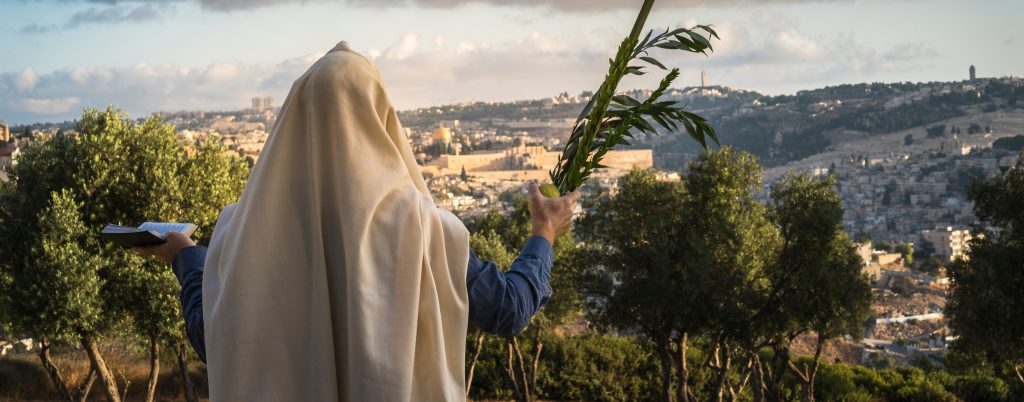
Like we mentioned in our Sukkot Fact File post, the waving or shaking of the Four Species, also commonly referred to as the lulav and etrog, is a key commandment of Sukkot.
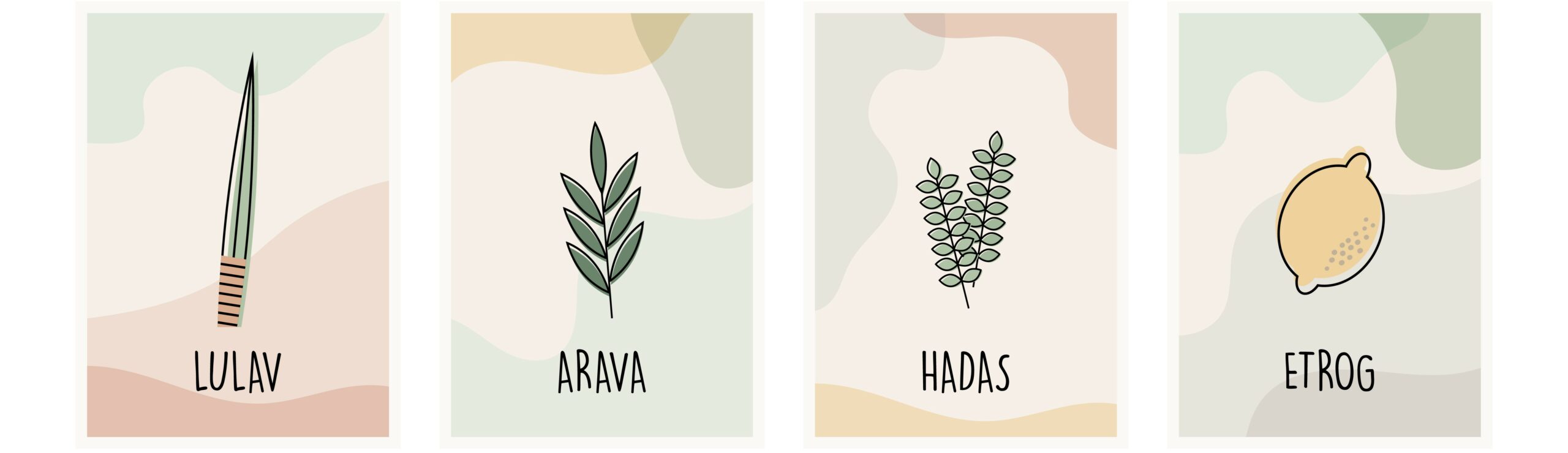

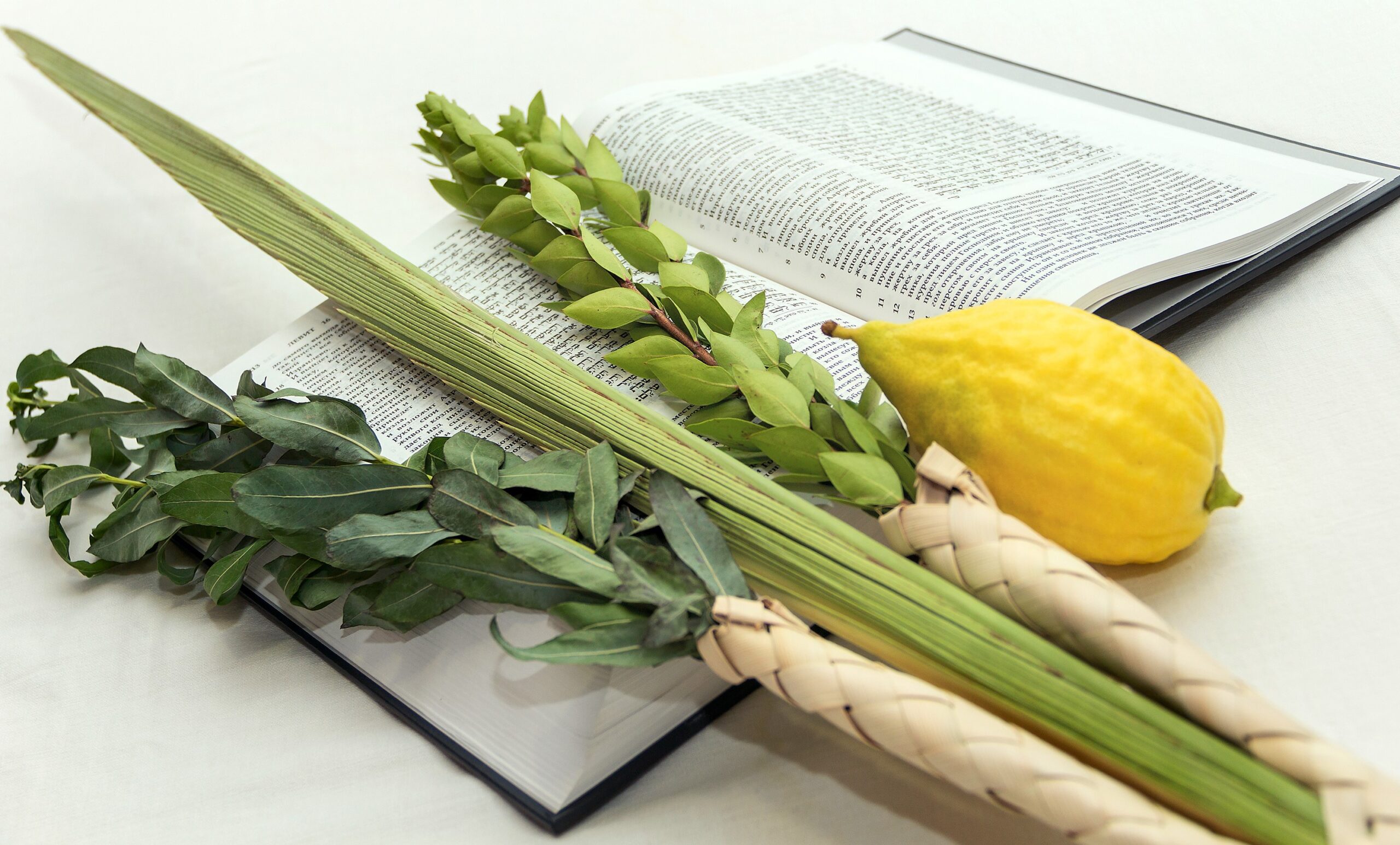
Like we mentioned in our Sukkot Fact File post, the waving or shaking of the Four Species, also commonly referred to as the lulav and etrog, is a key commandment of Sukkot.
In Leviticus 23:40, the Jewish nation is commanded:
You shall take for yourselves on the first day the fruit of a beautiful tree, date branches, thick branches, and spring willows, and you will celebrate before the Lord our God for seven days.
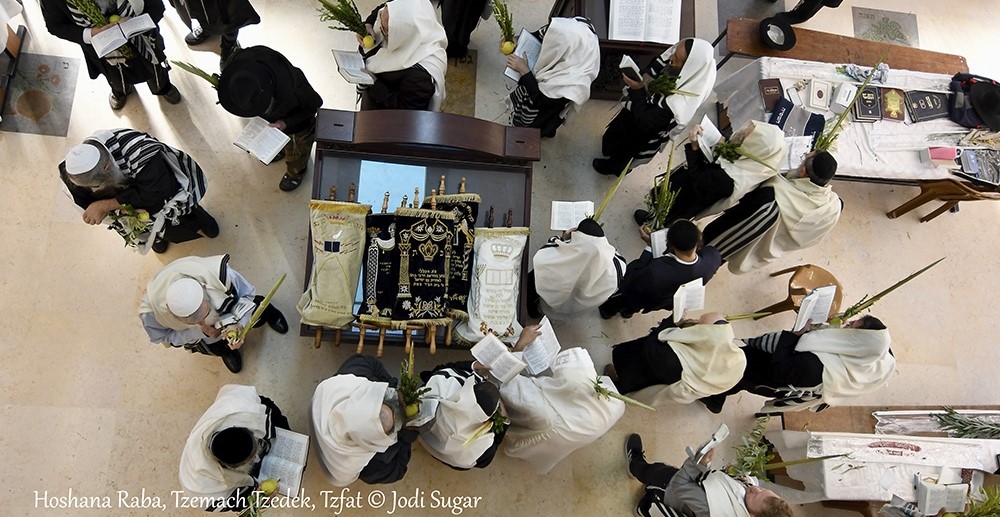
How do we “celebrate” with a collection of plants? The Rabbis interpreted the law to mean celebrating the beauty of God’s natural world; to do that, we gather the different species and joyously wave them in a prescribed pattern, in a kind of dance.
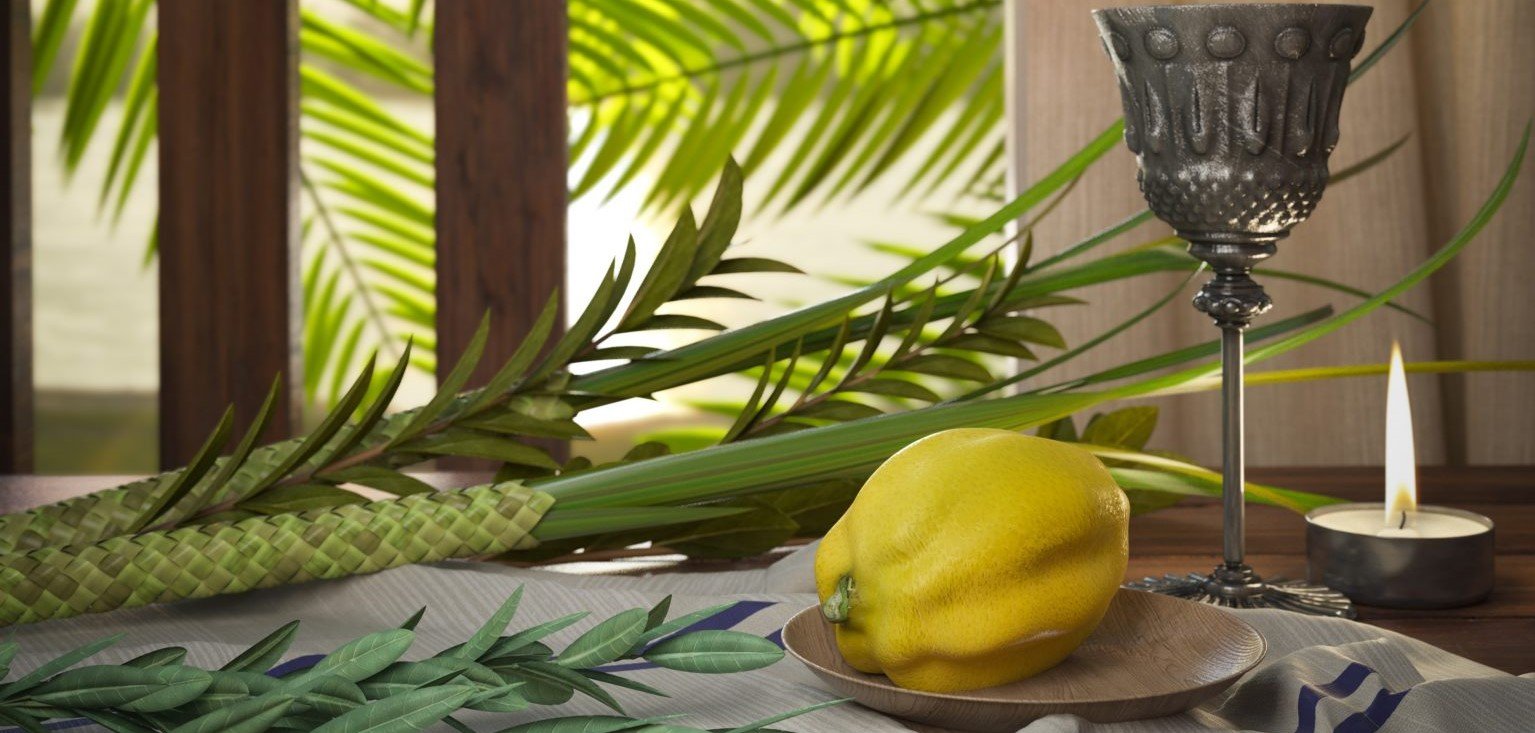
The Talmud identifies the “thick branches” as myrtle leaves on a branch.
The “fruit of a beautiful tree” has been interpreted to mean an etrog or citron. It’s special because not only is the fruit fragrant and flavorful; the whole tree is beautiful as its bark and leaves are also fragrant. The etrog is also special because it grows with a pitom – a clove-like stem which must be present for the fruit to be considered kosher and fit for use.
The lulav (palm frond) is normally held in a woven wicker handle, with two side sections – one holds two myrtle branches; the other, three willow stems.
The wicker handle containing three of the four species is commonly referred to as the lulav, even though it is comprised of three different plants.
The etrog looks similar to a lemon, but is often larger and has the identifying pitom stalk.
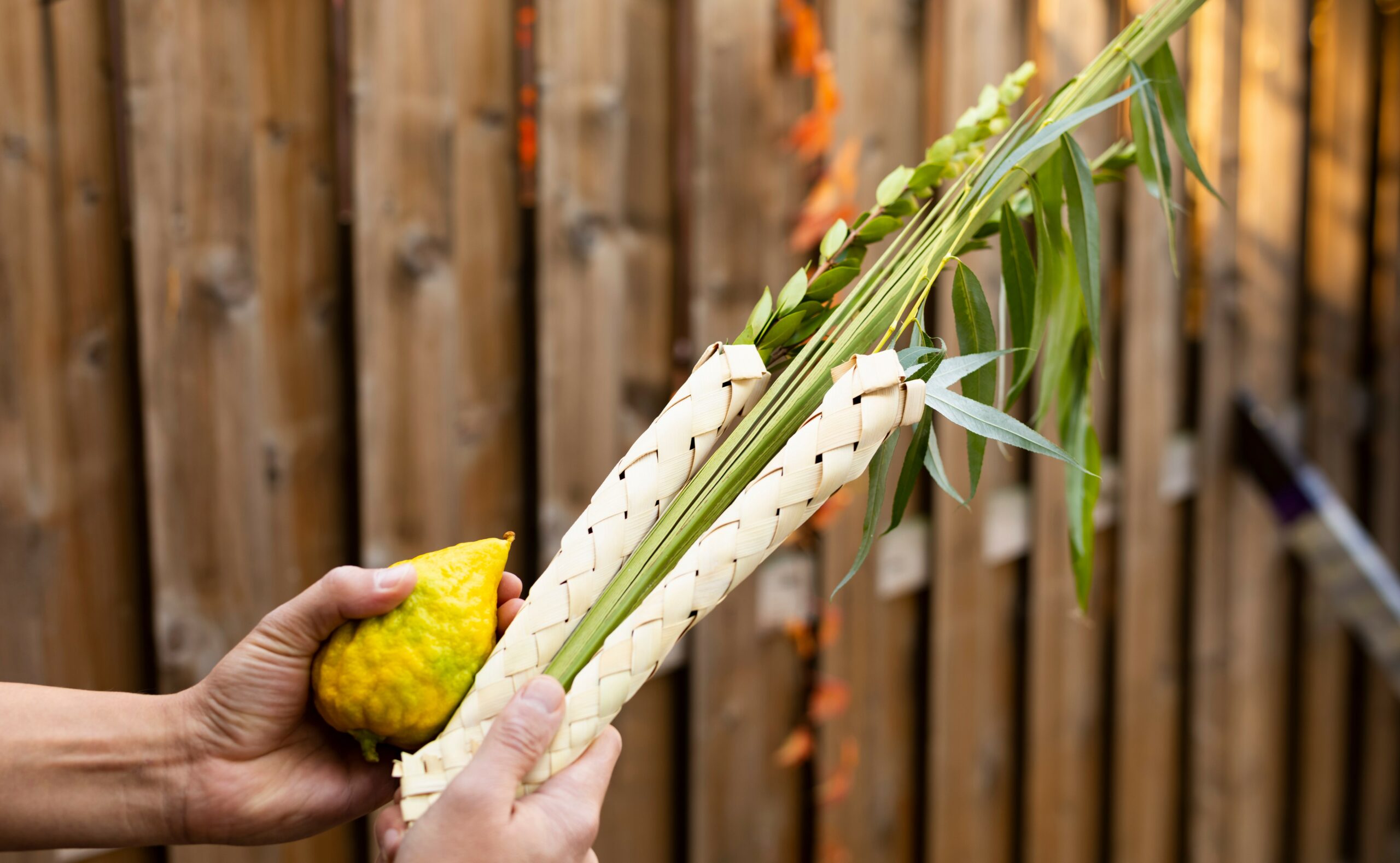
Symbolically, we wave the lulav and etrog in six different directions: left, right, forward, backward, up, and down. We completely encircle ourselves to represent the different directions from which God rules the earth.
The Midrash explains that the Four Species represent four different types of Jew:
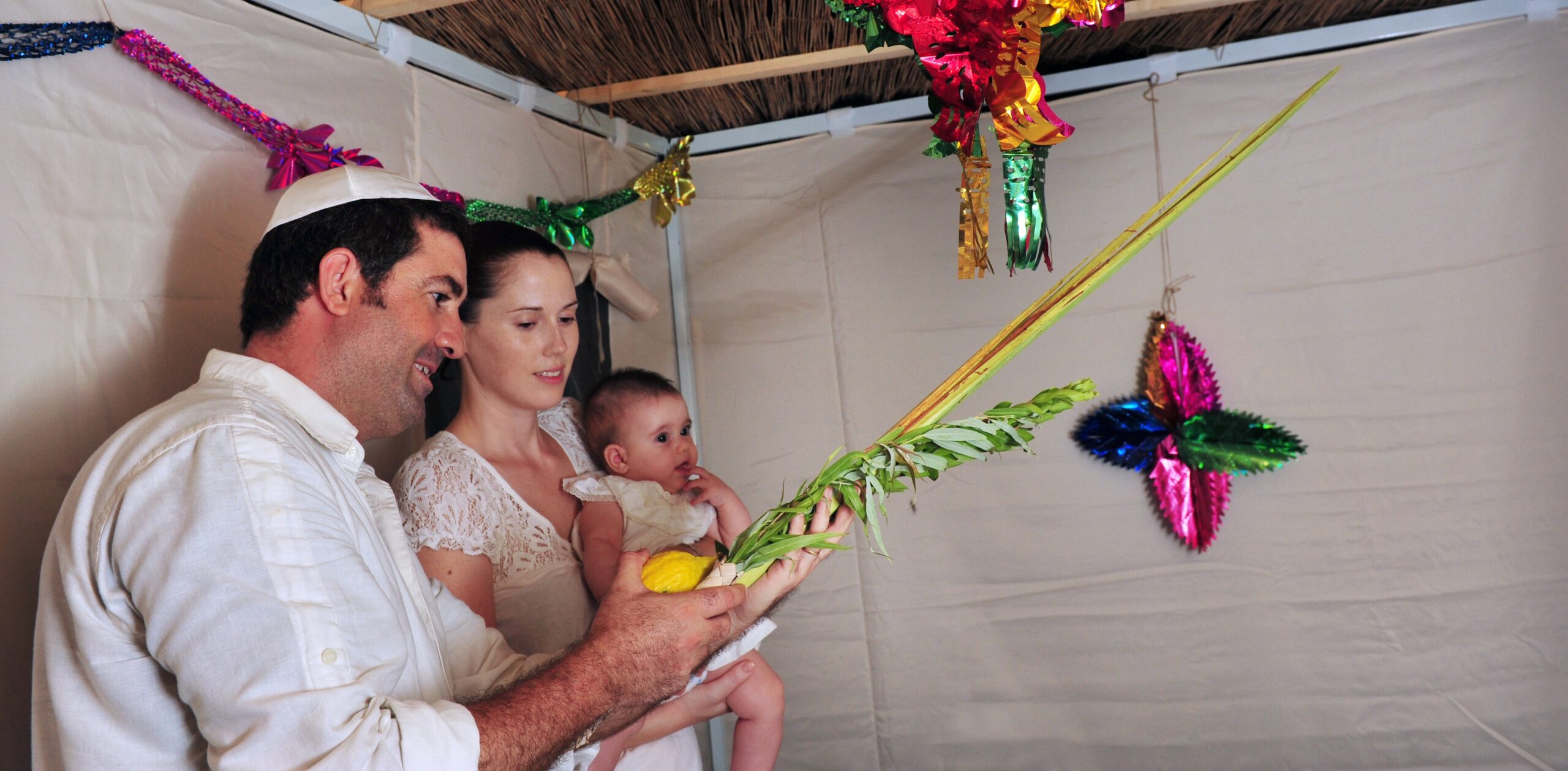
By binding the four together, we symbolize the unity we hope to see between all of Israel, as we all come together to serve God.
Another explanation is offered: the straight lulav represents the spine; the small, almond-shaped willow leaves, eyes; the longer myrtle leaves symbolize mouths; while the full-figured, plump etrog resembles a heart. By holding them together, we show our desire to use our whole body for God’s service.
As mentioned above, we wave the Four Species in six directions to describe God’s absolute power over our world. Sukkot is a harvest festival; on Shemini Atzeret, we add a prayer for rain. The lulav and etrog’s six directions symbolically voice a request for abundant rainfall to help all our plants grow.
Wishing you a Chag Sameach – a happy and joyful Sukkot!