Have you ever opened your jewelry pouch and wondered why your silver looks darker than you remember? The good news is that this is completely normal. Tarnish is not a defect, and it certainly does not say anything negative about the quality of your piece. In fact, tarnish is one of the most honest signs that your jewelry is made of real silver.
So What Is Actually Happening When Silver Changes Color?
Silver naturally reacts with its environment, especially with tiny sulfur compounds in the air. This reaction creates a very thin surface layer called tarnish, which can appear yellowish, gray, brown, or even nearly black. The silver underneath remains intact and strong. Tarnish affects only the surface and does not damage the metal itself.
You may notice that some pieces tarnish faster than others, and that can feel puzzling. The reason is that several everyday factors influence how quickly tarnish develops. Humidity plays a major role, which is why silver tends to darken faster in warm or humid climates. Daily exposure also matters, as jewelry that is worn often comes into contact with air, skin, and the surrounding environment more frequently.
Skin chemistry differs from person to person as well, which explains why a piece may tarnish quickly on one person and much more slowly on another. Even storage location, such as keeping jewelry in a bathroom or near open windows, can make a noticeable difference.
Common Myths
There are a few common myths worth clearing up. Tarnish does not mean your jewelry is fake. Quite the opposite, real silver reacts with air, while many imitation metals do not. Tarnish also does not mean the silver is low quality. Sterling silver, which contains 92.5 percent pure silver and is often marked as 925, tarnishes naturally. And while polishing can restore shine, polishing too often or too aggressively is not always better, as it slowly removes surface material over time.
Wear It
Caring for silver does not need to be complicated. One of the simplest tips is also the most surprising: wearing your silver regularly can help keep it looking bright. Gentle friction from daily movement and contact with clothing can slow visible tarnish. Silver that sits untouched for long periods often tarnishes faster than silver that is worn and enjoyed.
That said, silver is happy with everyday life, but not with everything in your bathroom cabinet. Perfume, lotions, hairspray, and household cleaning products can accelerate tarnish or dull the surface. A simple habit helps here: apply cosmetics first, let them dry, and put on your jewelry last. Swimming in pools is another moment when it is best to remove silver, as chlorine is especially harsh on metals and finishes.
Storage, however, is just as important as wear. Silver prefers dry, closed spaces when it is not being worn. A soft pouch or jewelry box helps limit exposure to air and moisture, while anti-tarnish pouches or cloths can further slow the process. It is best to avoid storing silver in humid rooms such as bathrooms.
Soft and Gentle
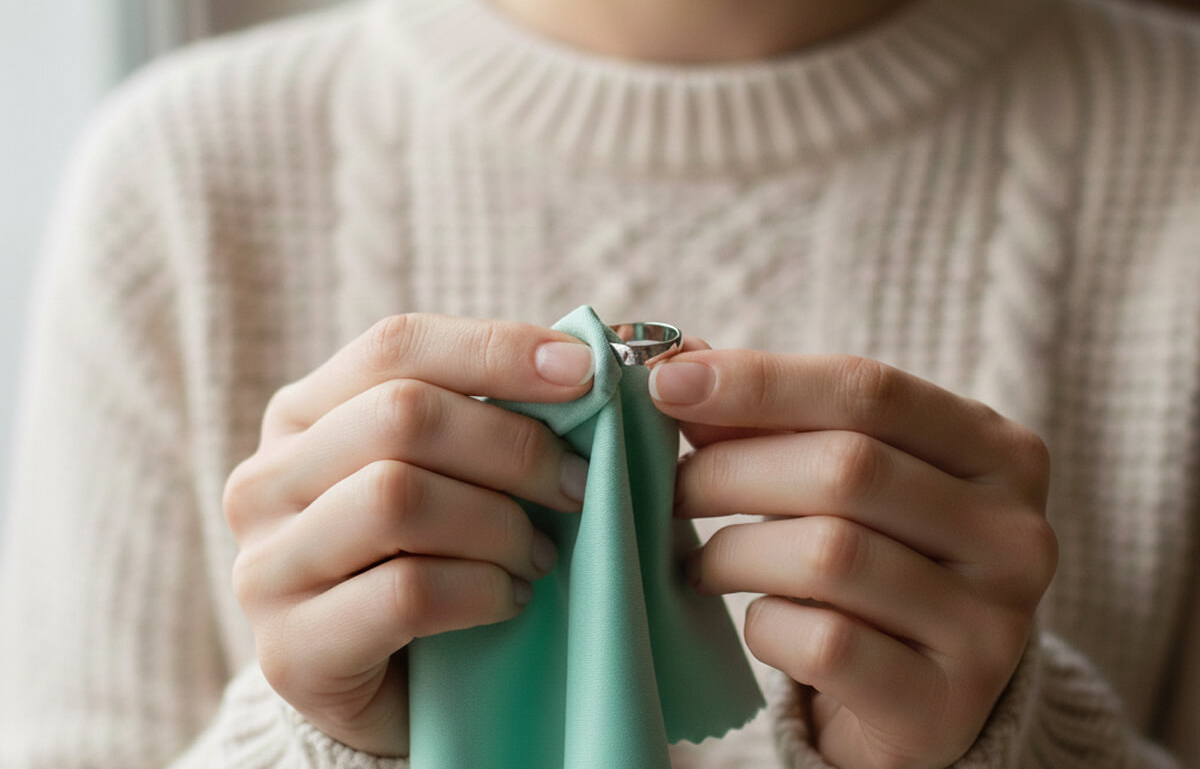
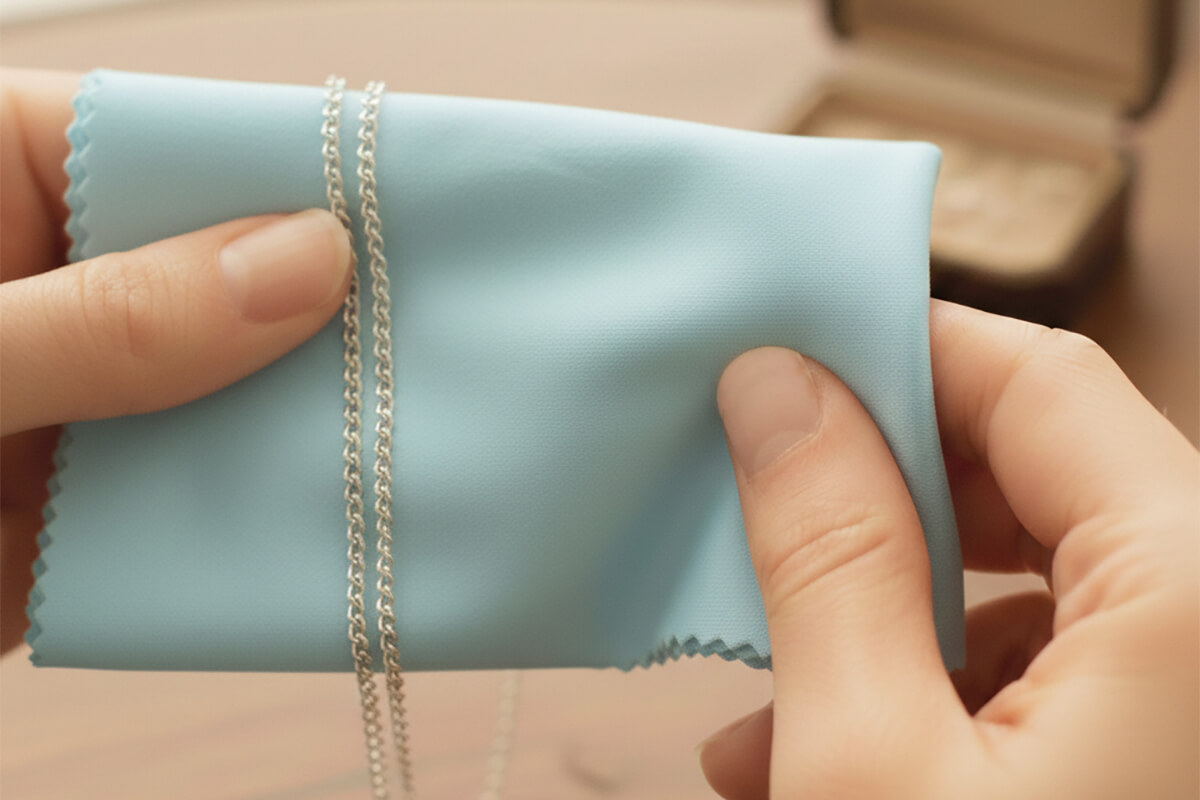
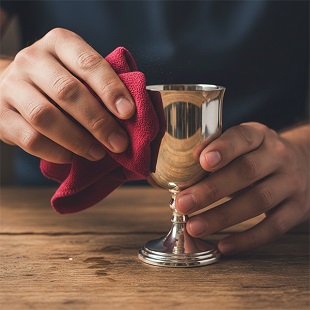
When it comes to cleaning, gentle and consistent care works best. For light tarnish, a silver polishing cloth is usually all that is needed. These cloths are designed specifically for silver and remove tarnish without harsh abrasion. If a piece needs a bit more attention, mild soapy water is safe, as long as you rinse thoroughly and dry the jewelry completely afterward. Chains, engraved details, and textured designs can trap moisture after cleaning, so taking an extra moment to dry those areas helps preserve the piece over time.
Although silver dip cleaners are still sold today, they are best avoided for regular care. These products work by using a chemical reaction to remove tarnish quickly, but that speed comes at a cost. Over time, dipping can thin the silver, weaken delicate chains, and strip away intentional details or finishes. For necklaces and meaningful pieces especially, gentle cleaning and proper storage are a safer way to protect silver for the long term.
Gemstones and Special Finishes
Silver jewelry set with gemstones or special finishes benefits from the same thoughtful care, with a little extra gentleness. Gold-plated pieces, pearls, and softer stones such as Eilat stone or turquoise are happiest when kept away from moisture and cleaned only very lightly, as polishing can damage their surfaces. The same goes for exposure to perfumes, cleaning products, or other chemicals. Stones like zircon and garnet are more resilient but still appreciate gentle handling, while Roman glass should simply be kept dry and left as it is, since its aged surface is part of its character. When in doubt, choosing the mildest approach helps protect both the silver and the materials set within it.
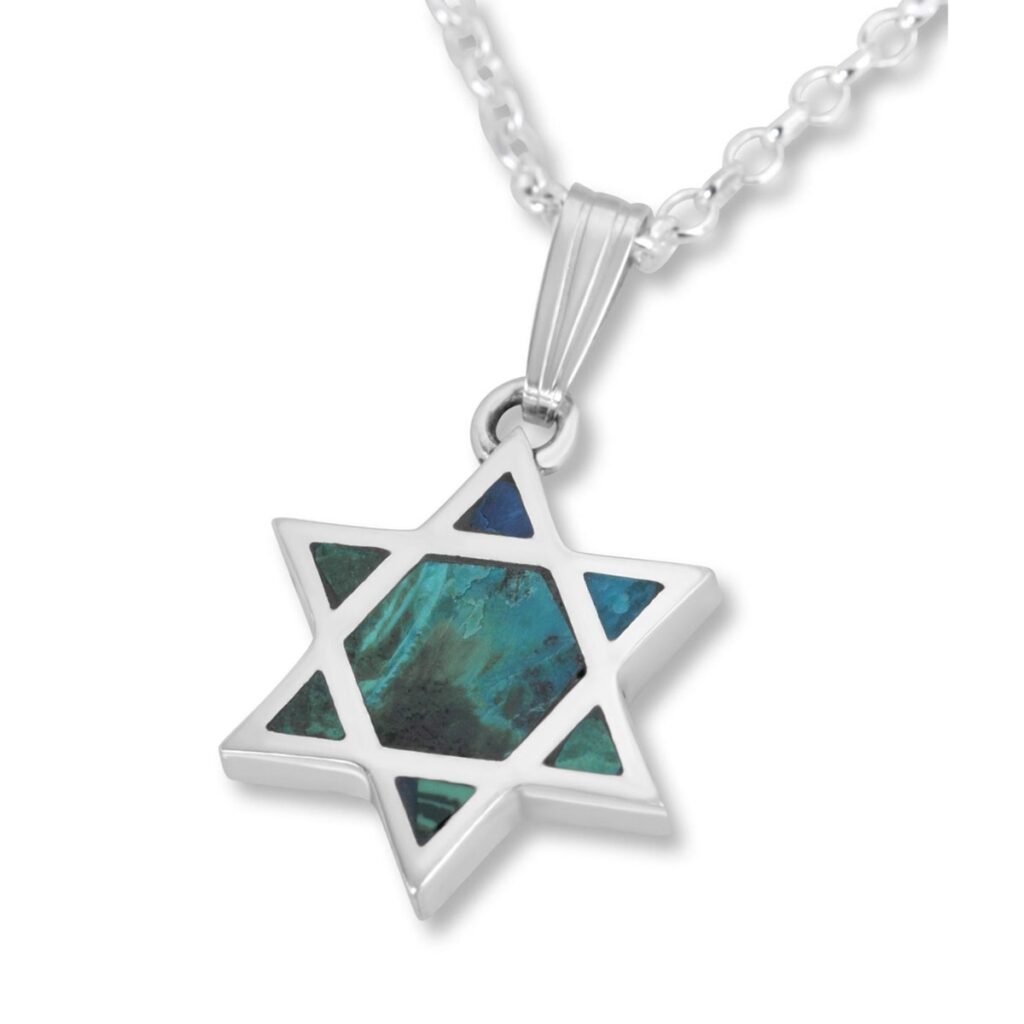
Eilat Stone
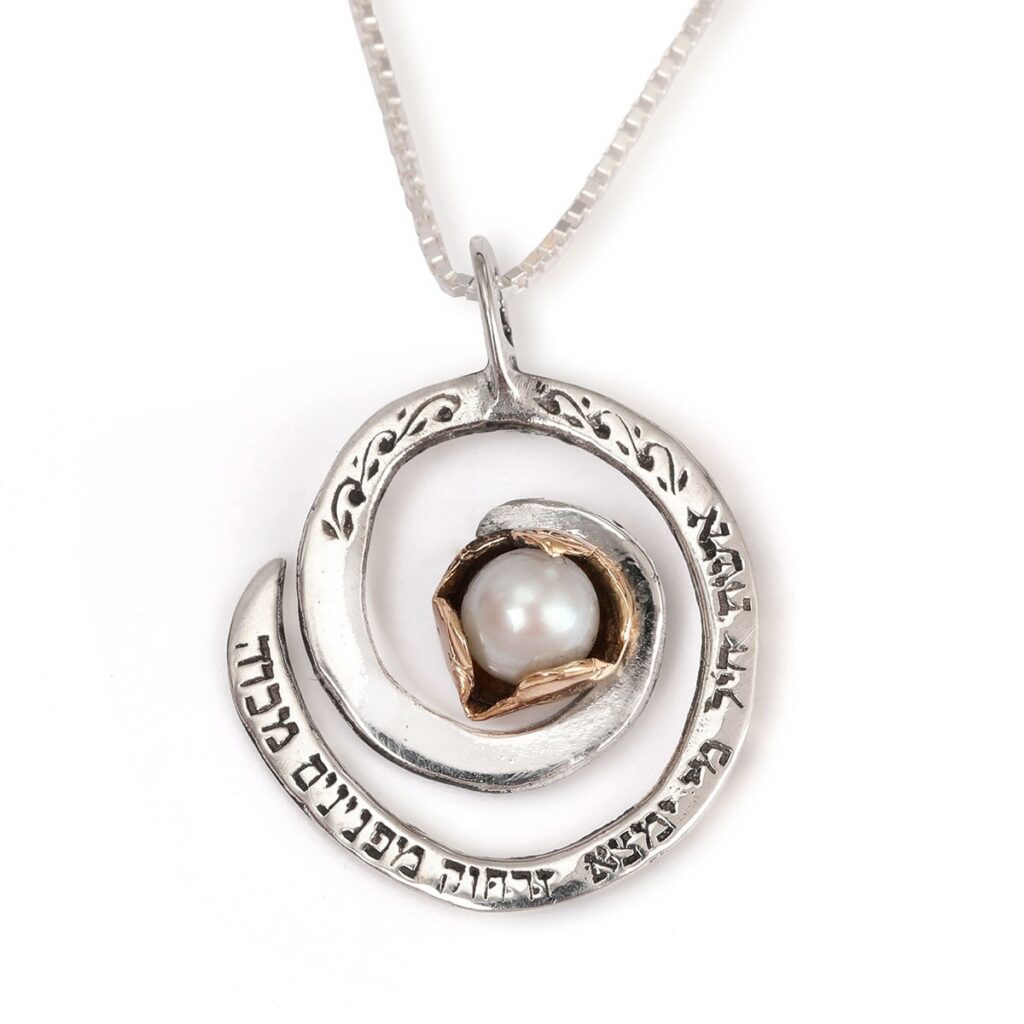
Pearl
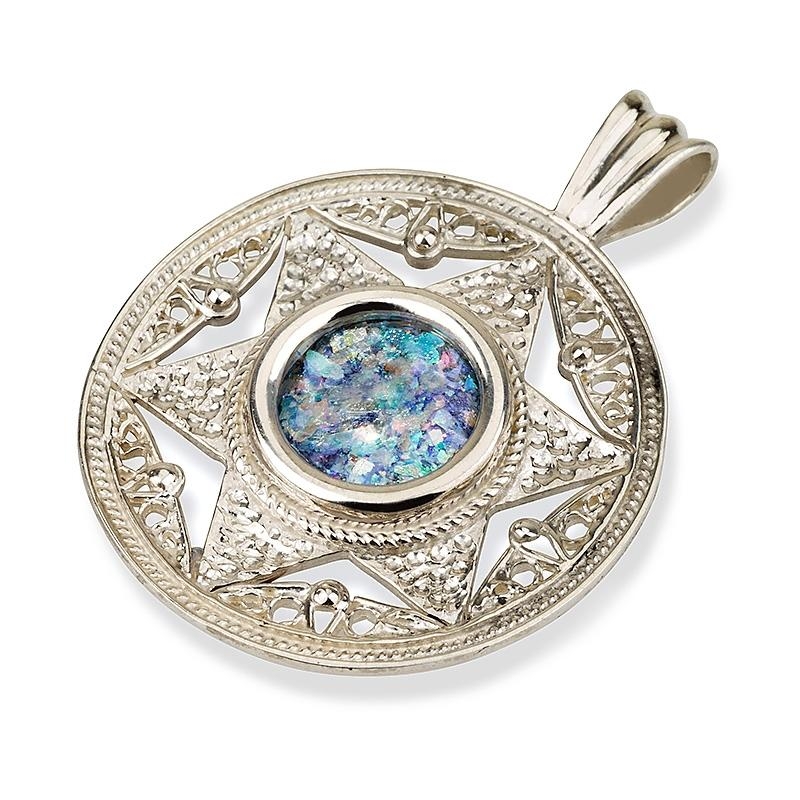
Roman Glass
Sometimes Less Is More
Over the years, silver may develop a soft patina, a gentle sign of time and use that many people find deeply appealing. This is especially true for silver Judaica such as kiddush cups or candlesticks, where a piece does not need to look brand new in order to be cherished.
Interestingly, lightly tarnished silver can sometimes darken more slowly than freshly polished silver. This means there is no need to strive for a mirror-like shine at all times.
The same is often true for heirloom jewelry pieces, where signs of use are simply part of their character.