Featured Post

Unique Rosh Hashanah Traditions from Around the Jewish World

Beyond Apples & Honey: Fascinating Rosh Hashanah Customs You May Not Know

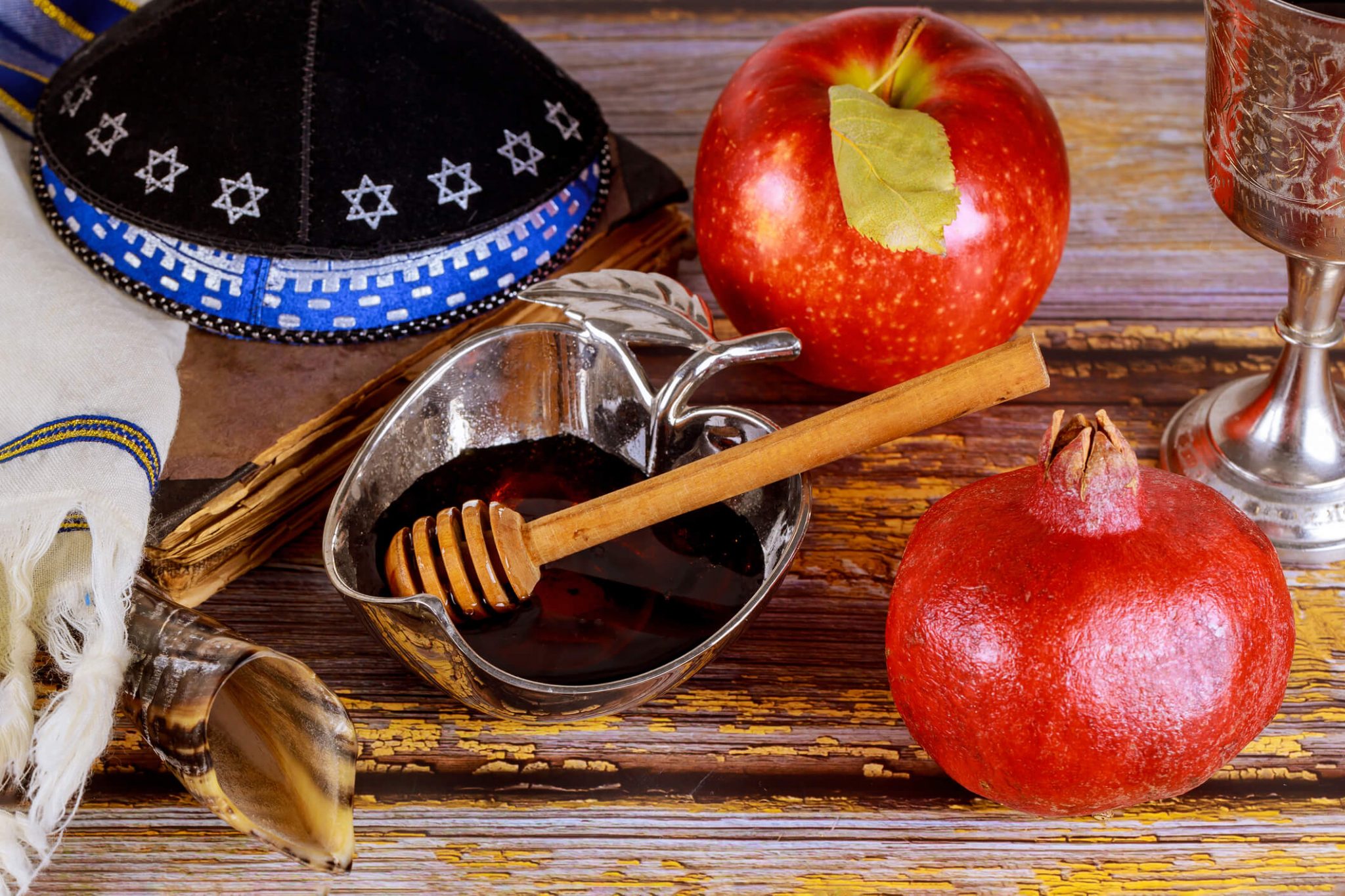
Rosh Hashanah is one of the most beloved Jewish holidays, celebrated by communities everywhere with prayers, festive meals, and hopes for a sweet new year. While many American Jews are most familiar with apples dipped in honey, round challah, and the sound of the ram’s horn shofar, Jewish communities across the world bring their own unique flavors, foods, and customs to the holiday.

Below we explore some fascinating Rosh Hashanah traditions from around the world, focusing on Sephardi, Mizrahi, and Israeli communities.

Here are 5 unique and fascinating Rosh Hashanah customs you need to know about – and may want to bring into your own celebrations this year!
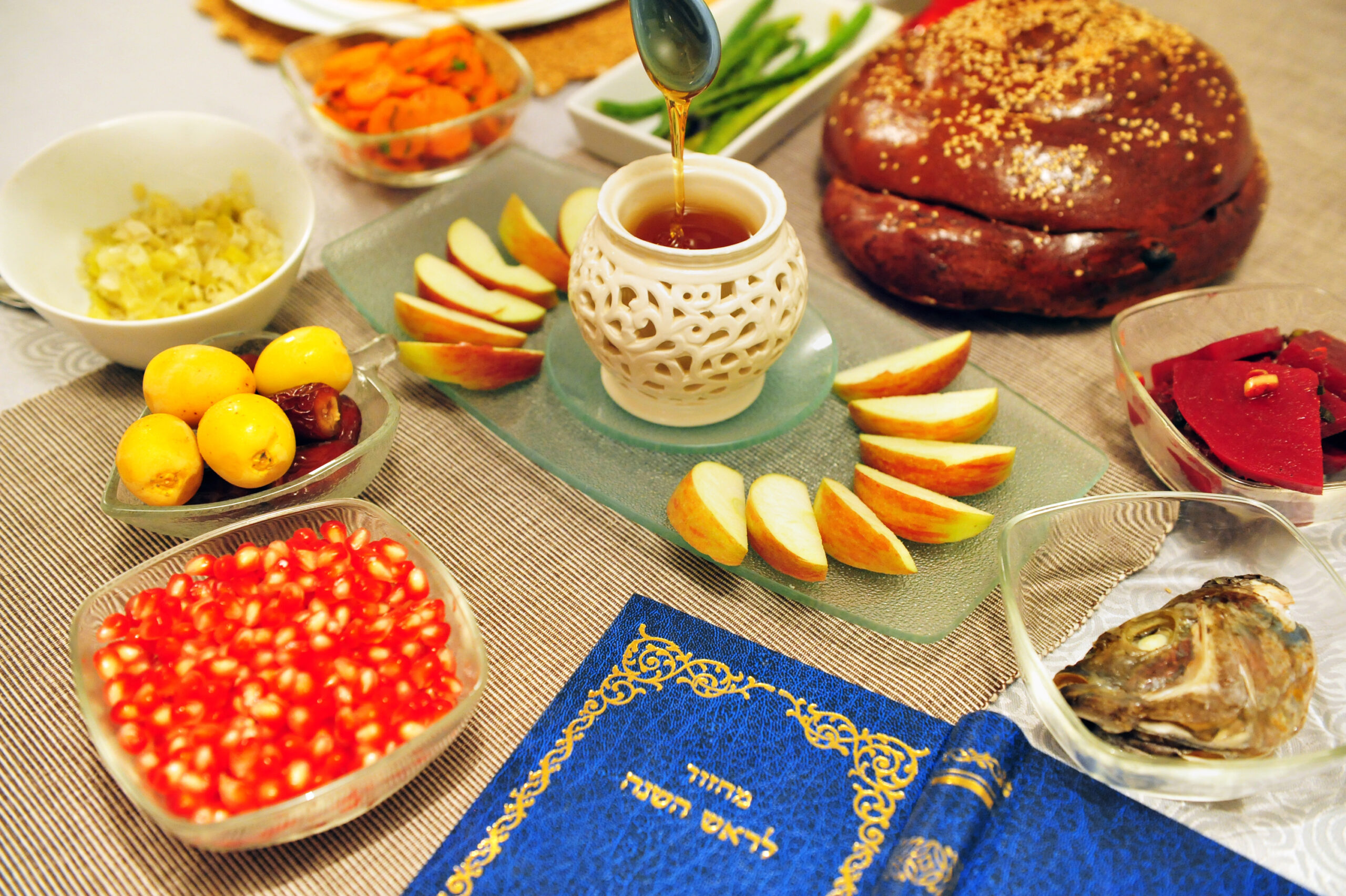

1. Sephardi & Mizrahi Tradition: The Rosh Hashanah Seder
Jewish Holidays - Rosh Hashanah

For many Sephardi and Mizrahi Jews, the Rosh Hashanah meal begins with a special seder — an order of blessings over symbolic foods, a bit reminiscent of the Passover seder (though much shorter!).

Families gather around the table and recite blessings over a series of symbolic foods, each one carrying a wish for the year ahead. The exact type and order of the foods can vary by family and community, though common ones include:

  • Pomegranates: May our merits be as plentiful as its seeds.

  • Leeks or beets: May our enemies be cut off.

  • Black-eyed peas: May we increase in blessings.

This beautiful custom transforms the meal into an interactive, meaningful ritual where every bite carries hope and intention.

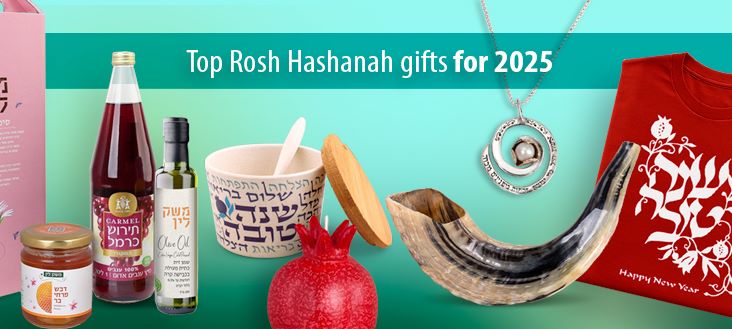
Read more about the Rosh Hashanah Seder here, and shop special plates for serving your symbolic holiday foods!

btn
ROSH-HASHANA-GIFTS-2025_Category-MOBILE (1)
2. Morocco: Seven Vegetables Stew
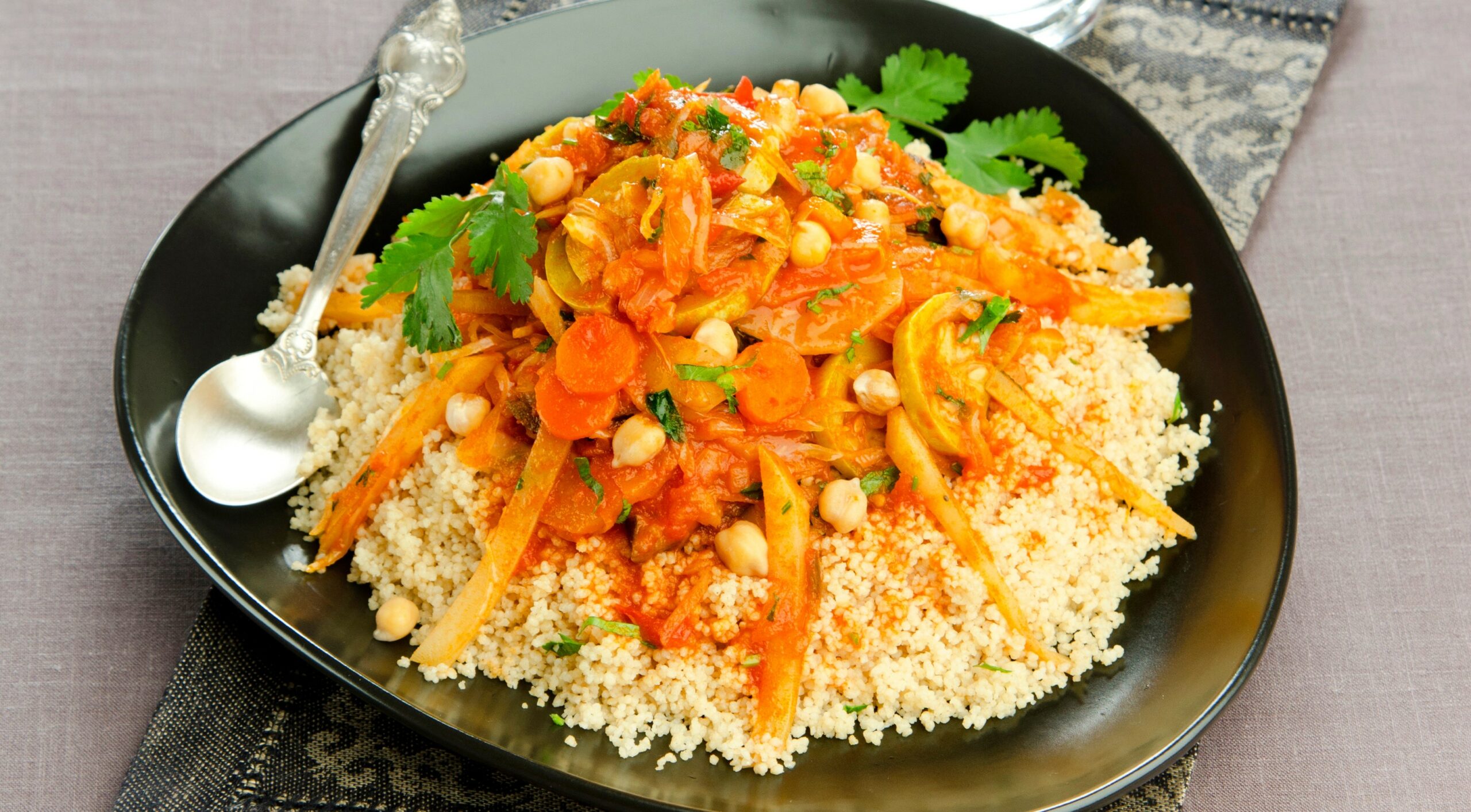
cous cous with seven vegetables

In Morocco, Rosh Hashanah dinner often features a stew made from seven different vegetables. Why seven? Because the High Holidays fall in the seventh month of the Hebrew calendar (Tishrei), and Jewish tradition teaches that “all sevenths are beloved.”

The stew often includes carrots, zucchini, chickpeas, and other seasonal produce, symbolizing abundance and blessing for the year ahead. It's typically served over couscous, which itself symbolizes a wish for countless blessings in the new year. This meaningful dish is a reminder that food itself can be a form of religious symbolism and prayer!

Find a recipe for a North African couscous with seven vegetables dish and more fascinating Rosh Hashanah dishes from around the word in our earlier blog post here.

btn
3. Israel: Pomegranates Everywhere!
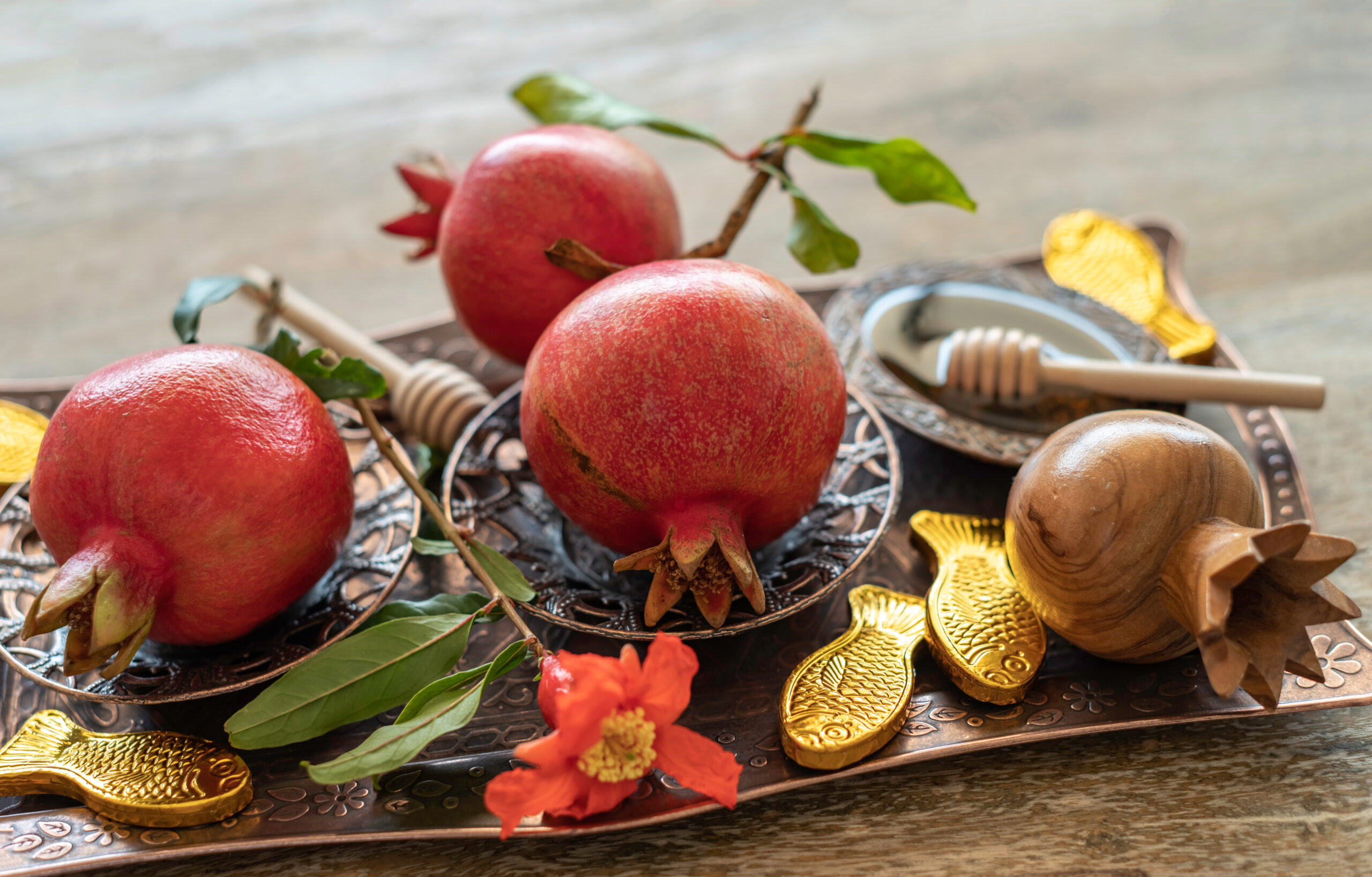
Pomegranate fruits for Jewish holiday Rosh Hashanah.

In modern Israel, the pomegranate has become one of the most important symbols of Rosh Hashanah. It’s not only eaten at the holiday meal but also shows up everywhere — from festive tableware to jewelry, art, and Judaica.

Why the pomegranate? Tradition teaches that it contains 613 seeds, corresponding to the 613 mitzvot (commandments) in the Torah, making it the perfect fruit to represent holiness, abundance, mitzvah observance, and the special Jewish relationship to the Torah and the Divine.

If you visit Israel in September, you’ll find pomegranates overflowing in the markets and featured in every kind of holiday decor!

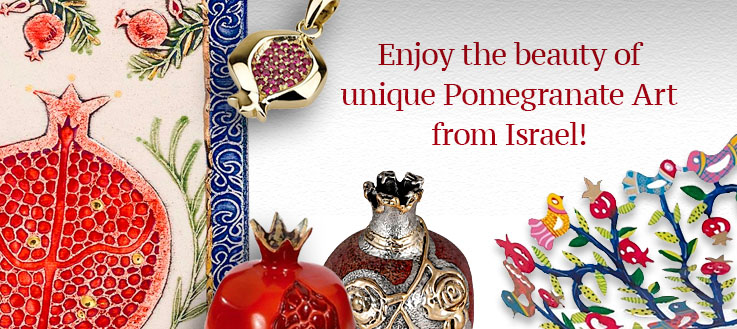
Shop your own pomegranate-themed home decor, tableware, Judaica and more in our Rosh Hashanah pomegranate collection here — shipped straight from Israel to your door!

btn
Pomegranate-Art-CAT-M
4. Yemen: The Kudu Horn Shofar
Shofar

While most Ashkenazi Jews are familiar with their Rosh Hashanah shofars made from a short, curved ram’s horn, Yemenite Jews traditionally blow a shofar made from the horn of the kudu antelope, which is long and spiraled. The sound is powerful, dramatic, and unforgettable — adding a distinctive voice to the High Holiday prayers.

Today, Yemenite-style kudu shofars are popular across Israel and beyond, and they’ve become a beloved option for anyone looking for a deeper, more resonant sound at synagogue or at home.

Get ready for the High Holidays with our shofar collection made in the Land of Israel, including Yemenite kudu shofars!

btn
5. Around the World: Sweet Treats for a Sweet New Year
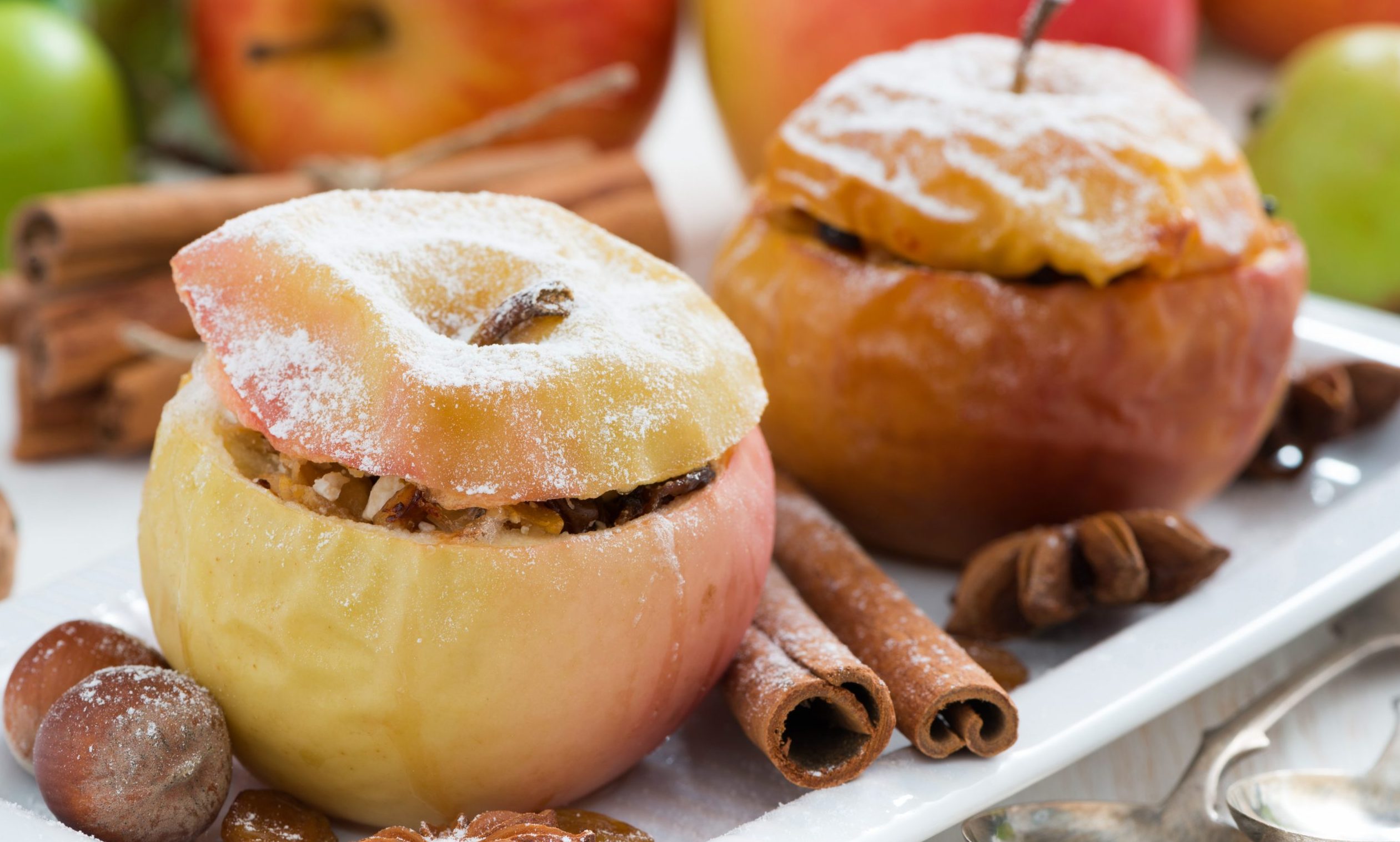
baked apples stuffed with dried fruit, nuts and cottage cheese o

While dipping apples in honey is the most iconic Rosh Hashanah custom for many Ashkenazi Jews, especially in North America, there are also countless traditions using other fruits and sweets to symbolize a sweet new year.

Some examples include:

  • Dates dipped in honey are especially popular in Middle Eastern communities.

  • Candied quince is enjoyed among Persian Jews.

  • Yemenite Jews may dip bread — not apples — in honey as a sign of blessing.

These variations remind us that there are many ways to bring sweetness into our lives — both on Rosh Hashanah and throughout the year.

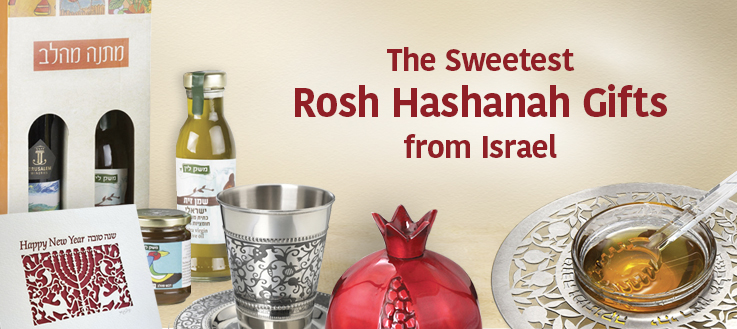
Shop Rosh Hashanah gifts from Israel

One Holiday, Many Traditions

From Moroccan vegetable stews to Yemenite kudu shofars, from pomegranate symbolism in Israel to Sephardi seder rituals, Rosh Hashanah shows the beauty of Jewish diversity. No matter where Jews celebrate, the heart of the holiday is the same: renewal, hope, and sweetness for the year ahead.

As you set your holiday table this year, consider adding a new tradition from our global Jewish family — whether it’s a symbolic fruit, a unique food, or even a beautiful piece of Rosh Hashanah Judaica or pomegranate art inspired by Israel’s artistry.

Shanah Tovah U’Metukah — wishing you a happy, healthy, and truly sweet New Year!

btn
Rosh-Hashana-gifts_Category_mobile

JWS POST YOU MAY LIKE

Passover 2026 all you need to know
Passover 2026: The Complete Guide
Whether you’re planning your first Seder or refreshing your family traditions, this Passover guide walks you through every step. Explore
Israeli Air Force 2026 Adir
Inside the Israeli Air Force 2026: Innovation in the Skies
From stealth fighters and laser defense to record-breaking pilots, take a look inside the Israeli Air Force in 2026 and
Seder table
First Night of Passover 2026: All You Need to Know
When Is Passover 2026? Passover (Pesach) follows the Hebrew calendar and begins on the 15th of Nisan. This year, it
The River Nile
The Exodus from Egypt: Why It Could Only Have Happened There and Then – By Dr. Liora Ravid
The Exodus from Egypt is remembered above all for the great and amazing miracles that God performed for the Israelites
Boy eating matzah
Matzah: Everything You Need to Know About Passover's Most Important Food
It is made from just two ingredients. It takes eighteen minutes to prepare. It has no flavor that would make
Passover seder plate with vegan options
How to Make a Vegan Seder Plate with Traditional Alternatives
Creating a vegan Seder plate is easier than you might think. Four traditional Seder foods are already plant-based. Discover the