Passover is celebrated by Jewish communities all over the world, and each region has developed its own beloved dishes for the holiday table. Because it is an eight-day holiday with strict food restrictions, many families find themselves looking for Kosher for Passover recipes to keep meals varied and festive throughout the week.
From the hearty brisket served in American homes to fragrant Moroccan tagines and delicate Italian coconut macaroons, these dishes reflect the global story of Jewish life and tradition. Below you will find a selection of classic Kosher for Passover recipes from different countries, each bringing its own flavor to the celebration.
1. Israel: Quinoa Pilaf
2. Eastern Europe: Chicken Matzah Ball Soup
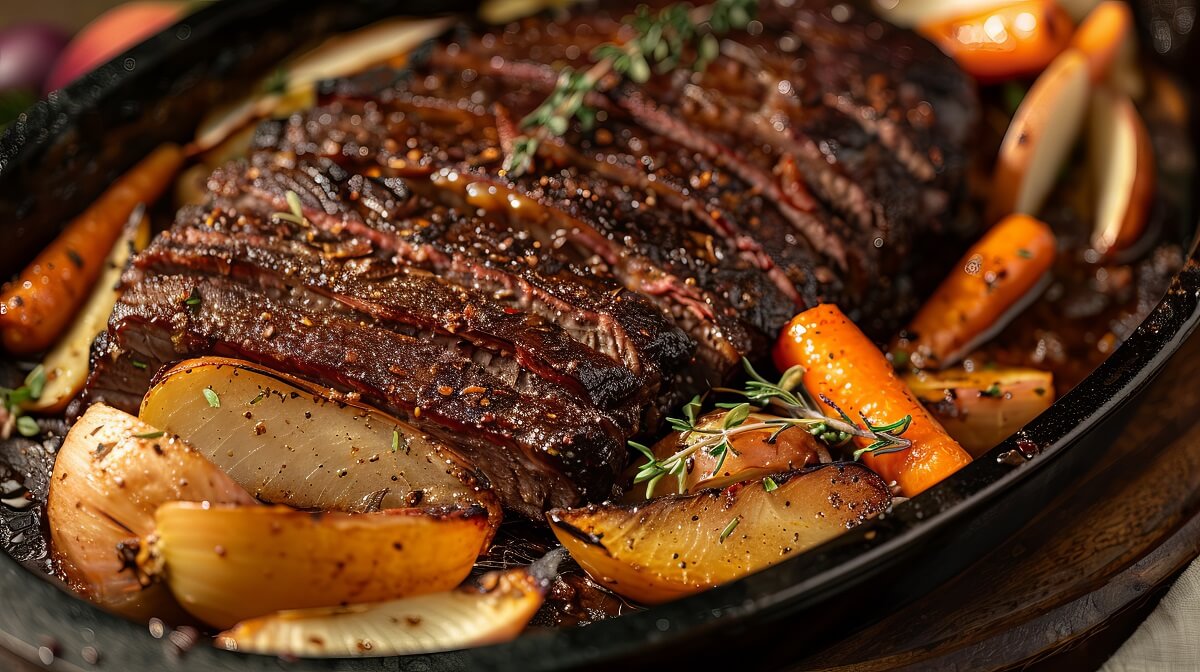
3. United States: The Ultimate Passover Brisket
4. Morocco: Lamb Tagine
5. Ukraine: Matzo Brei
6. Italy: Coconut Macaroons
1. Israel: Quinoa Pilaf
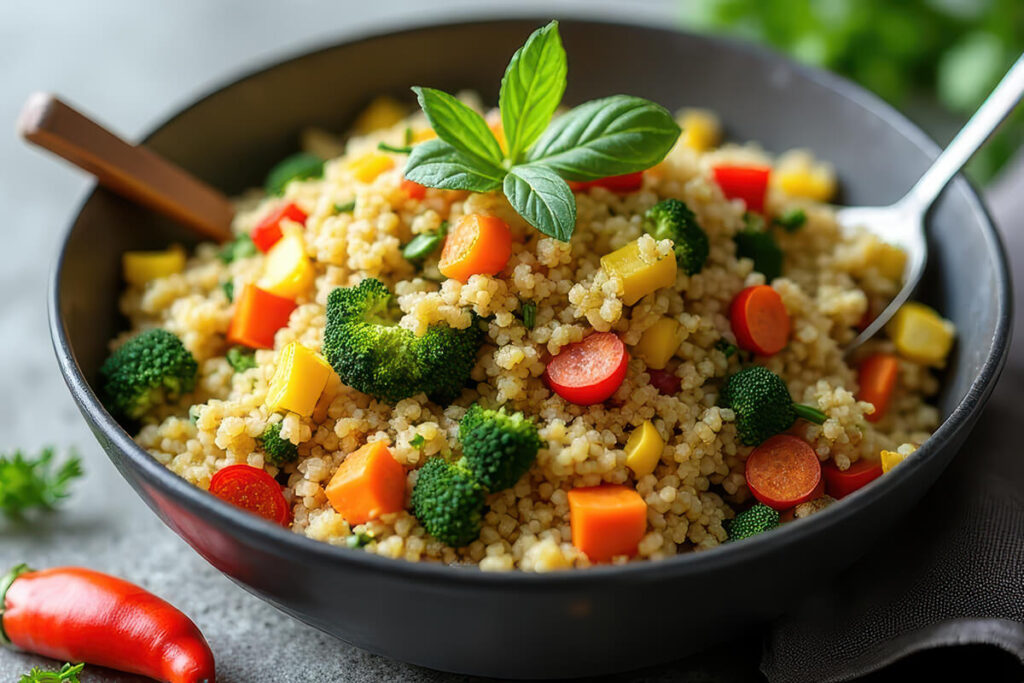
This bright and flavorful quinoa pilaf is a wonderful vegetarian side dish for Passover. Light yet satisfying, it combines fluffy quinoa with sautéed vegetables, fresh herbs, and a touch of lemon for freshness. The toasted nuts add a gentle crunch that balances the soft grains and tender vegetables.
Quinoa is considered a “pseudo-grain” rather than one of the five biblical grains, which is why many Jewish communities include it in Passover cooking. Because quinoa can sometimes be processed alongside other grains, many Ashkenazi families look for quinoa that carries a reliable Kosher for Passover certification.
Recipe Overview
- Prep time: 15 minutes
- Cook time: 20 minutes
- Yield: 4–6 servings
Ingredients
The Base
- 1½ cups quinoa (rinsed thoroughly to remove bitterness)
Aromatics
- 2 tbsp extra virgin olive oil
- 1 small yellow onion, finely diced
- 3 garlic cloves, minced
Vegetables
- 2 medium carrots, finely diced
- 1 celery stalk, finely diced
Liquid
- 2¾ cups vegetable broth (certified Kosher for Passover)
- or water with 1 tsp salt
Brighteners
- 1 tsp lemon zest
- 1 tbsp fresh lemon juice
Herbs and Crunch
- ½ cup fresh parsley, chopped
- ¼ cup fresh dill, chopped
- ¼ cup toasted sliced almonds or pine nuts (ensure they are not roasted with non-Passover oils)
Seasoning
- ½ tsp cumin (optional, depending on your Passover tradition)
- Salt and black pepper to taste
Instructions
-
Toast the quinoa
In a medium saucepan, heat 1 tablespoon olive oil over medium heat. Add the rinsed and drained quinoa. Toast for 2–3 minutes, stirring frequently, until it smells slightly nutty and any excess moisture has evaporated. Remove the quinoa and set aside.
-
Sauté the aromatics
In the same pan, add the remaining tablespoon of olive oil. Sauté the onion, carrots, and celery for about 5–7 minutes until softened.
-
Add garlic and spices
Stir in the garlic and cumin (if using). Cook for about 1 minute until fragrant.
-
Simmer the pilaf
Return the toasted quinoa to the pan and pour in the vegetable broth. Bring the mixture to a boil, then immediately reduce the heat to low.
-
Steam the quinoa
Cover tightly with a lid and simmer for about 15 minutes, or until the liquid is absorbed and the quinoa grains appear translucent with their small spiral curls.
-
Rest the pilaf
Remove the pan from the heat and allow it to sit, covered, for 5 minutes. This helps the quinoa finish steaming and keeps the texture fluffy.
-
Fluff and finish
Use a fork to gently fluff the quinoa. Fold in the lemon zest, lemon juice, chopped parsley, dill, and toasted nuts. Taste and season with additional salt and black pepper if needed.
Passover Tips
The Kitniyot Factor
Some Ashkenazi traditions avoid kitniyot (legumes and certain seeds) during Passover. Many rabbinic authorities permit quinoa, but families often use quinoa that is specifically certified Kosher for Passover to ensure no grain contamination.
Make It a Main Dish
To turn this pilaf into a more substantial vegetarian dish, add about 1 cup of sautéed mushrooms or roasted butternut squash cubes before serving.
2. Eastern Europe: Classic Matzah Ball Soup
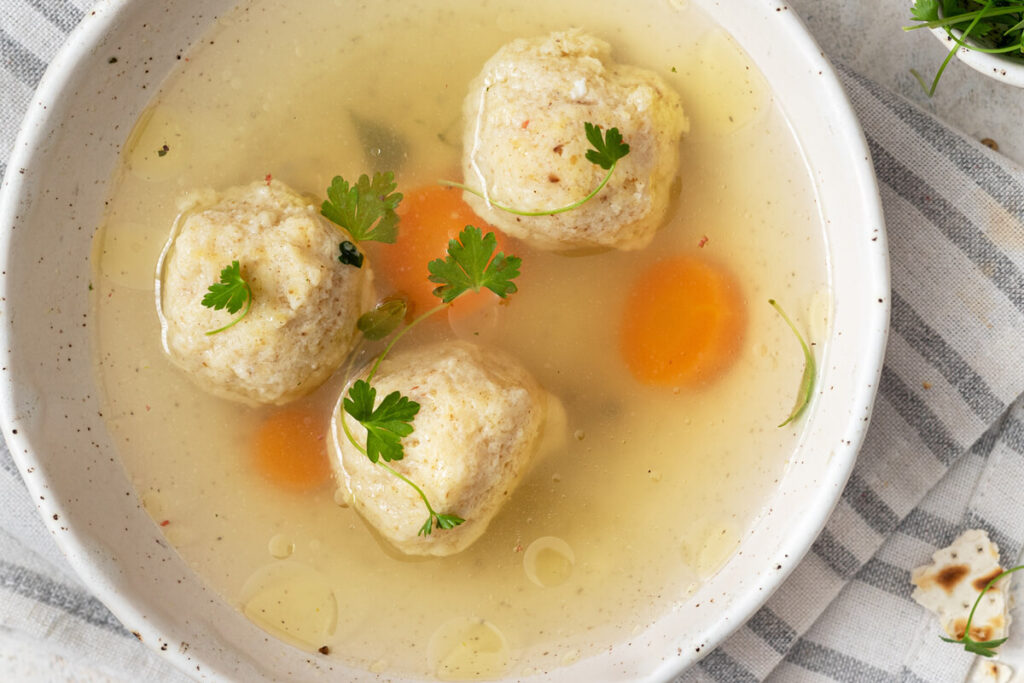
Few dishes capture the comforting spirit of Passover like a bowl of classic matzah ball soup. Often called the “Jewish penicillin,” this beloved dish combines a rich golden chicken broth with light, fluffy matzah balls that soak up the flavor of the soup. Served at the Seder and throughout the holiday, it is one of the most cherished Passover traditions in Ashkenazi Jewish kitchens.
The keys to perfect matzah balls are patience and technique. Chilling the mixture before rolling allows the matzah meal to fully absorb the liquid, while keeping the pot covered during cooking helps the balls stay light and fluffy. When done right, the result is a comforting soup with delicate matzah balls floating in a deeply flavorful homemade broth.
Recipe Overview
- Prep time: 30 minutes (plus 1 hour chilling)
- Cook time: 1.5–2 hours
- Yield: 6–8 servings
The Golden Chicken Broth
The Bird
- 1 whole chicken (about 4 lb), cut into pieces
The Vegetables
- 3 large carrots, peeled and cut into chunks
- 3 celery stalks, with leaves
- 1 large parsnip, peeled
- 1 large yellow onion, peeled and left whole
The Herbs
- 1 bunch fresh dill
- 1 bunch fresh parsley
- 1 tbsp kosher salt, plus more to taste
The Liquid
- 12–14 cups cold water
Instructions
-
Start the broth
Place the chicken pieces and vegetables in a large stockpot. Cover with the cold water.
-
Bring to a simmer
Bring the pot to a boil, then immediately reduce the heat to a gentle simmer. Skim off any grey foam that rises to the surface.
-
Add herbs and cook
Add the dill, parsley, and salt. Cover partially and simmer gently for 1½–2 hours until the broth is rich and flavorful.
-
Strain the broth
Strain the broth through a fine-mesh sieve. Reserve the carrots and the chicken meat (shredded) for serving, and discard the cooked herbs and onion.
The Matzah Balls (Kneidlach)
Dry Ingredients
- 1 cup matzah meal (certified Kosher for Passover)
Wet Ingredients
- 4 large eggs
- ¼ cup schmaltz (rendered chicken fat) or vegetable oil
- ¼ cup seltzer water
Seasoning
- 1 tsp kosher salt
- ¼ tsp black pepper
- 1 tbsp finely chopped fresh dill
Instructions
-
Mix the batter
In a medium bowl, lightly beat the eggs. Whisk in the schmaltz or oil, seltzer water, salt, pepper, and dill. Fold in the matzah meal until just combined. Avoid overmixing.
-
Chill the mixture
Cover the bowl and refrigerate for at least 1 hour, or up to overnight. This allows the matzah meal to absorb the liquid and makes the mixture easier to roll.
-
Prepare the cooking water
Bring a large pot of salted water to a rolling boil.
-
Form the matzah balls
Wet your hands with cold water. Scoop about 1 tablespoon of the mixture and gently roll it into a ball about the size of a walnut. The balls will expand while cooking.
-
Simmer the matzah balls
Drop the balls into the boiling water. Reduce the heat to low, cover tightly, and simmer for 30–40 minutes. Do not lift the lid during cooking, as this can cause the matzah balls to collapse.
-
Finish the soup
Use a slotted spoon to transfer the cooked matzah balls into the hot chicken broth. Add the shredded chicken and reserved carrots before serving.
Passover Tips
Seltzer Water
The carbonation in seltzer water helps create tiny air pockets in the batter, which makes the matzah balls lighter and fluffier.
Schmaltz vs. Oil
Schmaltz gives matzah balls their traditional rich flavor, but vegetable oil works well if you prefer a lighter version.
Storage
If serving within 24 hours, store the matzah balls directly in the soup. For longer storage, keep them in a separate container so they do not absorb too much broth.

3. United States: The Ultimate Passover Brisket
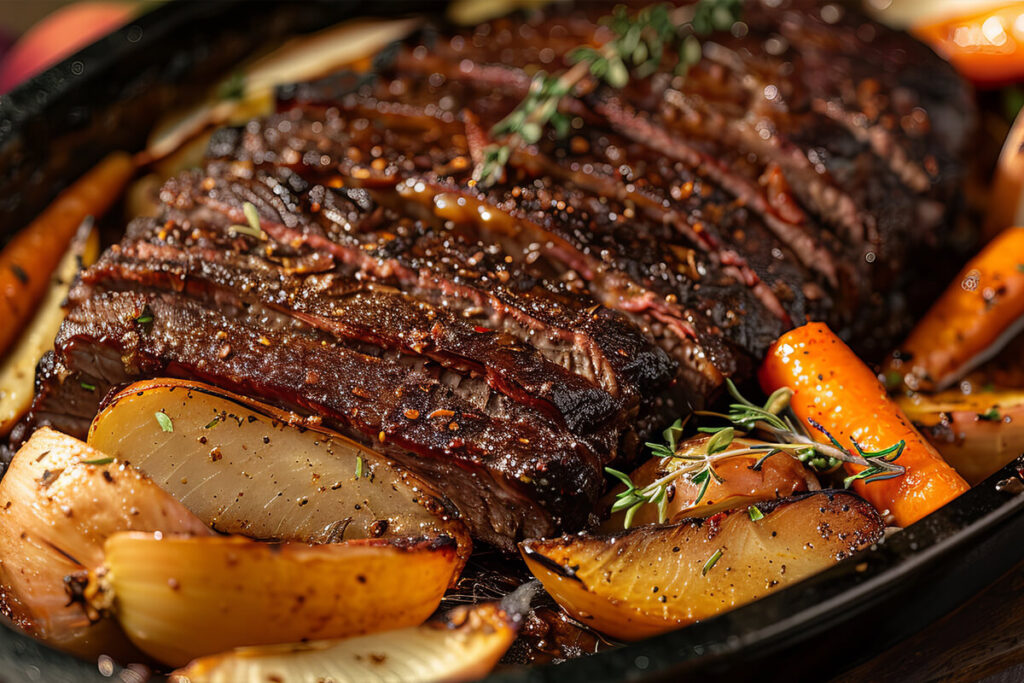
Few dishes say Passover as clearly as a slowly braised brisket. In many Jewish homes it is the centerpiece of the Seder table, filling the kitchen with deep aromas. This classic Ashkenazi-style brisket is rich, tender, and full of flavor, with a silky sauce that develops as the meat braises slowly with vegetables and wine.
Recipe Overview
- Prep time: 30–45 minutes
- Cook time: 3½–4½ hours
- Resting time: Overnight (recommended)
- Yield: 8–10 servings
Ingredients
Beef
- 5–6 lb beef brisket (about 2.3–2.7 kg), first cut (leaner) or second cut (fattier and more moist)
Aromatics
- 3–4 large yellow onions, thinly sliced
- 1 lb carrots, peeled and sliced into rounds
- 6–8 garlic cloves, smashed
The Braising Liquid
- 2 cups dry red wine (such as Cabernet Sauvignon or Merlot)
- 1 cup beef broth
- 1 cup ketchup (certified Kosher for Passover and HFCS-free)
- ½ cup brown sugar or honey
- 2 tbsp tomato paste
- 1 tbsp apple cider vinegar (check Passover certification)
Seasoning
- 1 tbsp kosher salt
- 1 tsp black pepper
- 1 tbsp sweet paprika
- 2–3 bay leaves
Important Passover Note
Ensure all packaged ingredients such as ketchup, broth, vinegar, and optional mixes carry reliable Kosher for Passover certification.
Instructions
-
Preheat the oven
Preheat the oven to 300°F (150°C).
-
Season and sear the brisket
Pat the brisket dry with paper towels. Season all sides with kosher salt, black pepper, and paprika. Heat 2 tablespoons oil in a large Dutch oven over medium-high heat. Sear the brisket for about 5–7 minutes per side until a deep brown crust forms. Remove the brisket and set aside on a platter.
-
Cook the vegetables
In the same pot, add the sliced onions and carrots. Cook for 10–12 minutes, stirring occasionally, until the onions soften and begin to caramelize. Add the garlic and tomato paste and cook for 1 minute, stirring until fragrant.
-
Deglaze the pot
Pour in the red wine and scrape the bottom of the pot with a wooden spoon to release the browned bits. Stir in the beef broth, ketchup, brown sugar or honey, and apple cider vinegar.
-
Begin the braise
Return the brisket to the pot, fat-side up, nestling it among the vegetables. The liquid should reach about halfway up the meat. Add the bay leaves.
-
Slow braising
Cover the pot tightly with a lid or heavy-duty foil. Place in the oven and cook for 3½–4½ hours at 300°F (150°C). The brisket is ready when a fork slides into the meat with almost no resistance. If using a thermometer, braised brisket typically becomes tender between about 190–203°F (88–95°C).
-
Chill overnight (recommended)
Allow the brisket to cool in its sauce, then refrigerate overnight. The next day, remove the solidified fat from the surface. Take the brisket out of the sauce and slice it against the grain into ¼-inch slices.
-
Reheat and serve
Return the sliced brisket to the sauce. Cover and reheat in the oven at 275–300°F (135–150°C) for 45–60 minutes until hot throughout. Serve the brisket with the vegetables and plenty of the rich braising sauce.
Passover Substitution Tips
Onion Soup Mix
Some families like to add Kosher for Passover onion soup mix for extra flavor. Only use a mix specifically certified for Passover.
Worcestershire Sauce
Standard versions often contain malt vinegar and are not suitable for Passover. If a certified Passover version is not available, add a small extra splash of apple cider vinegar and a pinch of salt instead.
Thickening the Sauce
If the sauce is thinner than desired, mix 1 tablespoon potato starch with a little cold water and whisk it into the simmering sauce until slightly thickened.
Classic Brisket Tip
Do not rush the onions. Allowing them to soften and develop sweetness during the first stage of cooking helps create the deep, rich gravy that makes traditional Passover brisket so memorable.
4. Morocco: Lamb Tagine
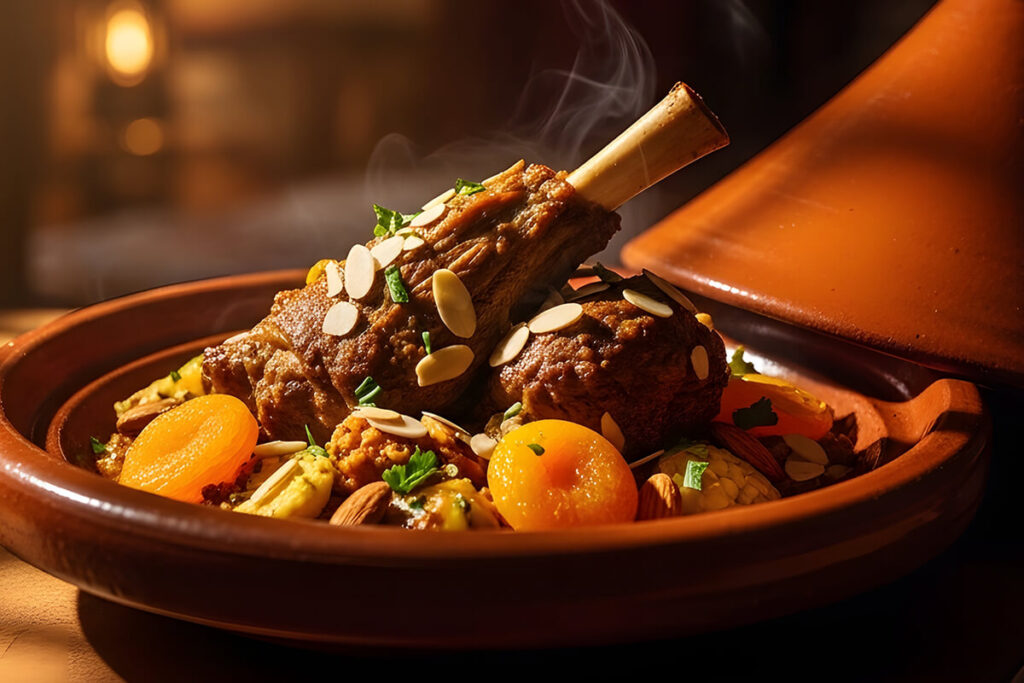
This fragrant Moroccan lamb tagine brings the warm spices and sweet-savory flavors of North African Jewish cooking to the Passover table. Slow-braised lamb becomes tender and rich as it simmers gently with cinnamon, saffron, onions, and ginger. Dried apricots and prunes add natural sweetness, while toasted almonds and fresh herbs provide texture and brightness.
Although traditional Moroccan tagines are often served with couscous, during Passover this dish pairs beautifully with quinoa pilaf. The fluffy quinoa absorbs the aromatic sauce just like couscous would, making it an excellent holiday-friendly alternative. Like many slow-cooked dishes, this tagine tastes even better the next day once the flavors have fully developed.
Recipe Overview
- Prep time: 30 minutes
- Cook time: 2.5–3 hours
- Yield: 6 servings
Ingredients
The Meat
- 3 lb lamb shoulder, cut into 2-inch chunks (trim excess fat)
The Aromatics
- 2 large yellow onions, grated or finely diced
- 4 garlic cloves, minced
- 1 tbsp grated fresh ginger
The Passover Spice Blend
- 2 tsp ground cinnamon
- 1 tsp turmeric
- 1 tsp ground cumin (considered as kitniyot by some)
- 1 tsp sweet paprika
- ½ tsp saffron threads, steeped in 2 tbsp warm water
- Salt and black pepper to taste
The Braise
- 3 cups beef or vegetable broth (certified Kosher for Passover)
- 2 cinnamon sticks
The Fruit and Crunch (certified Kosher for Passover)
- 1 cup dried apricots, halved
- ½ cup prunes, pitted
- 2 tbsp honey
- ½ cup toasted sliced almonds
Garnish
- Fresh cilantro, chopped
- Fresh mint, chopped
Instructions
-
Brown the lamb
Pat the lamb dry and season with salt and pepper. In a large Dutch oven or tagine, heat 2 tablespoons olive oil over medium-high heat. Brown the lamb in batches until golden on all sides. Transfer the browned meat to a plate.
-
Sauté the aromatics
Reduce the heat to medium. Add the onions and cook until soft and translucent, about 8 minutes. Stir in the garlic and grated ginger.
-
Toast the spices
Add the cinnamon, turmeric, cumin (if using), paprika, and the saffron with its soaking liquid. Cook for about 1 minute until fragrant.
-
Deglaze and simmer
Return the lamb and any accumulated juices to the pot. Add the broth, honey, and cinnamon sticks. The liquid should nearly cover the meat.
-
Slow braise
Bring the mixture to a gentle boil, then reduce the heat to very low. Cover tightly and simmer for about 2 hours.
-
Add the fruit
Stir in the dried apricots and prunes. Cover and continue simmering for another 30–45 minutes, until the lamb is fork-tender and the sauce thickens into a rich glaze.
-
Finish the dish
Remove the cinnamon sticks. Taste the sauce and adjust with additional salt, pepper, or a squeeze of fresh lemon juice if desired.
-
Serve
Transfer the tagine to a serving platter or bowl. Sprinkle generously with toasted almonds, fresh cilantro, and mint before serving.
Passover Serving Suggestion
Instead of traditional couscous, serve this tagine over quinoa pilaf. The quinoa provides a similar texture and beautifully absorbs the aromatic sauce.
Pro Tip
Like brisket and many slow-braised dishes, this lamb tagine often tastes even better the next day after resting in the refrigerator, allowing the spices and sauce to fully develop.
5. Ukraine: Matzo Brei
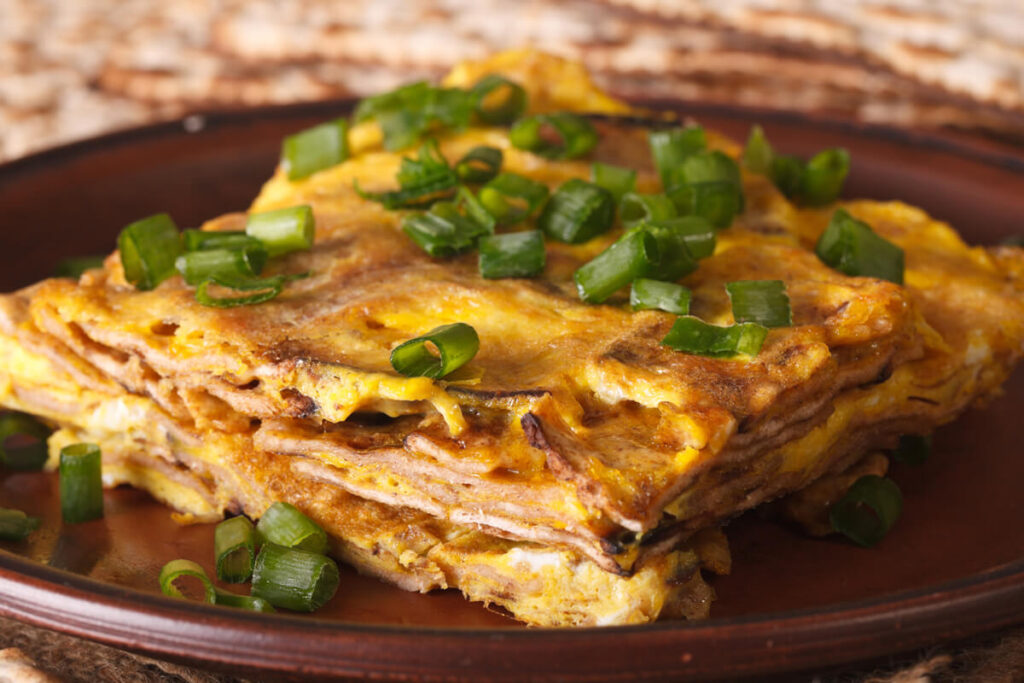
Matzo brei is one of the simplest and most comforting dishes enjoyed during Passover. Popular in Eastern European Jewish kitchens, it combines softened matzo with eggs and is pan-fried until golden. The name comes from Yiddish, where “brei” means fried mixture, and it perfectly describes this rustic, satisfying dish.
What makes matzo brei special is its versatility. Some families prefer the savory version, cooked with onions and schmaltz for a rich, traditional flavor. Others love the sweet version, often prepared with apples, cinnamon, or raisins and served with syrup or preserves. Both styles are beloved Passover classics and can be served for breakfast, lunch, or a light dinner.
Recipe Overview
- Prep time: 15 minutes
- Cook time: 10–15 minutes
- Yield: 2–4 servings
Savory Matzo Brei
Ingredients
The Base
- 4 sheets matzo, broken into 1-inch pieces
- 4 eggs
The Fat
- 2–3 tbsp schmaltz (rendered chicken fat) or vegetable oil
The Heart
- 1 large yellow onion, halved and thinly sliced
Seasoning
- 1/2 tsp kosher salt
- 1/2 tsp black pepper
- 1 tsp fresh dill, chopped
- Fresh chives, for garnish
Instructions
-
Sauté the onions
Melt the schmaltz in a large skillet over medium heat. Add the sliced onions with a pinch of salt and cook for 10–12 minutes until deeply golden and caramelized.
-
Soak the matzo
Place the matzo pieces in a colander and run warm water over them for about 30 seconds. Drain well and gently squeeze out excess moisture.
-
Prepare the egg mixture
In a bowl, whisk together the eggs, salt, black pepper, and chopped dill. Fold in the softened matzo pieces.
-
Cook the matzo brei
Add the matzo and egg mixture to the skillet with the onions and increase the heat slightly.
-
Use the traditional technique
Let the mixture sit for about 2 minutes so a crust forms on the bottom. Then break it into large chunks with a spatula, turning and cooking for another 3 minutes until the eggs are set but the center remains slightly moist.
-
Serve
Transfer to a serving plate and top with fresh chopped chives and a sprinkle of coarse salt.
Sweet Cinnamon-Apple Matzo Brei
Ingredients
The Base
- 4 sheets matzo, broken into 1-inch pieces
- 4 eggs
The Fat
- 3 tbsp unsalted butter (or coconut oil for a non-dairy version)
The Sweetener
- 1 tbsp sugar
- 1 tsp cinnamon
The Add-In
- 1 medium apple, peeled and thinly sliced
- or 1/2 cup golden raisins
Toppings
- Maple syrup
- Honey
- Strawberry preserves
Instructions
-
Soak the matzo
Place the matzo pieces in a colander and run milk or water over them for about 30 seconds. Drain and squeeze dry.
-
Prepare the mixture
Whisk together the eggs, sugar, cinnamon, and a pinch of salt. Fold in the softened matzo and raisins if using.
-
Cook the apples
Melt the butter in a skillet over medium heat. Add the apple slices and cook for 3–4 minutes until softened and lightly browned.
-
Add the matzo mixture
Pour the matzo and egg mixture over the apples in the skillet.
-
Cook like a pancake
Spread the mixture into a flat layer. Cook for about 4 minutes until the bottom is golden brown, then flip the whole pancake (or flip in sections) and cook the other side for about 2 minutes.
-
Serve
Dust with powdered sugar and serve warm with maple syrup, honey, or a spoonful of strawberry preserves.
Key Passover Tip
Texture Control
If you prefer a crunchy matzo brei, soak the matzo for only about 10 seconds. For a softer, more omelet-like texture, soak the matzo for 45–60 seconds before mixing it with the eggs.
6. Italy: Coconut Macaroons
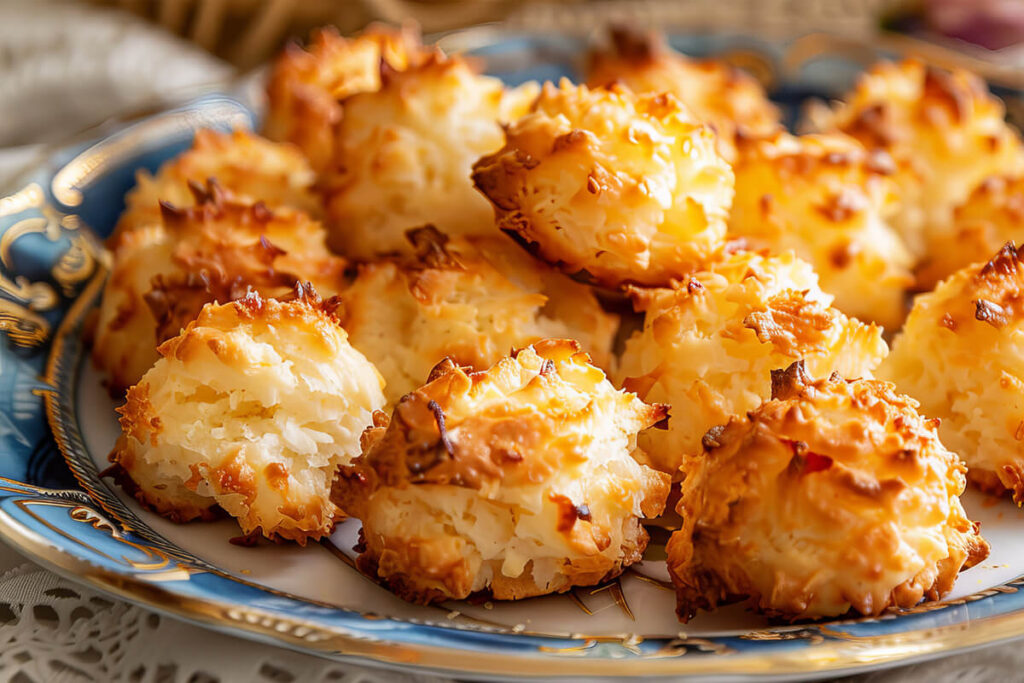
Coconut macaroons are one of the most beloved Passover desserts around the world, and the Italian-style version is especially known for its chewy interior and crisp golden edges. Because they rely on coconut and egg whites, rather than flour, they naturally fit the dietary rules of Passover while still delivering a rich and satisfying treat.
These macaroons can be made either dairy or parve and are quick to prepare, requiring only a handful of ingredients. Beating the egg whites separately gives them a lighter texture, while a short bake creates beautifully caramelized coconut strands on top. For an extra touch, many bakers like to dip the bottoms in melted chocolate, turning a simple Passover cookie into an elegant holiday dessert.
Recipe Overview
- Prep time: 15 minutes
- Bake time: 20–25 minutes
- Yield: 20–24 macaroons
Ingredients
The Bulk
- 1 bag (14 oz) sweetened shredded coconut
The Binder
- 2/3 cup sweetened condensed milk (certified Kosher for Passover)
- Parve option: 1/2 cup honey or agave mixed with 2 tbsp potato starch
The Lift
- 2 large egg whites, room temperature
Flavor
- 1 tsp pure vanilla extract (certified Kosher for Passover)
- 1/4 tsp fine sea salt
The Optional Finish
- 4 oz semi-sweet (dairy or parve) chocolate, melted (for drizzling or dipping)
Instructions
-
Prep the oven
Preheat the oven to 325°F (163°C). Line two large baking sheets with parchment paper. This step is important because the macaroons can stick to the pan.
-
Mix the coconut base
In a large bowl, stir together the shredded coconut, sweetened condensed milk, vanilla extract, and salt. Mix until the coconut is evenly coated and sticky. If you prefer a parve version, use the honey or agave–potato starch mixture listed above instead.
-
Whip the egg whites
In a separate clean, dry bowl, beat the egg whites using a hand mixer or whisk until firm peaks form. The peaks should stand up straight when you lift the beaters.
-
Fold gently
Using a rubber spatula, gently fold the beaten egg whites into the coconut mixture. Work slowly so the air stays in the batter, which keeps the macaroons light rather than dense.
-
Scoop the cookies
Use a tablespoon or a small cookie scoop to place rounded heaps onto the prepared baking sheets, spacing them about 1 inch apart.
-
Bake
Bake for 20–25 minutes, rotating the pans halfway through. The macaroons are ready when the bottoms and the tips of the coconut strands turn a deep golden brown.
Tip: Remove the macaroons while the centers are still soft. They will firm up as they cool, which helps keep the interior chewy. -
Cool completely
Allow the macaroons to cool fully on the baking sheets. They will firm up as they cool.
-
Optional chocolate finish
Once the macaroons are completely cool, dip the bottoms into melted chocolate or drizzle chocolate over the tops. Place them back on the parchment paper until the chocolate sets.
Passover Tips
The Parve Option
Traditional coconut macaroons often use sweetened condensed milk, which makes the recipe dairy. If you prefer a parve version, or if you cannot find sweetened condensed milk that is certified Kosher for Passover, use the honey–potato starch mixture listed above instead. The macaroons will still bind well, though the texture may be slightly softer. Sometimes adding 1 extra tablespoon potato starch helps stability.
Storage
Store the macaroons in an airtight container at room temperature for up to 5 days. They can also be frozen for up to one month and thawed before serving.
For more information about our research process, sourcing, and editorial review, please see our editorial standards and content policy.