This week, Jewish communities welcomed the Hebrew month Cheshvan, which is remarkable only in how utterly unremarkable it is. It is one of just two Jewish months in which there are no religious festivals or fast days. The other is Elul which has its own significance: it is the month in which we prepare for the High Holy Days by blowing the shofar daily and reciting the selichot prayers.
Cheshvan, on the other hand, is totally bare, which has earned it the moniker Mar-Cheshvan – mar means bitter. Unadorned with celebrations or commemorations of its own, Jews of the past viewed the month as bitter and sad. I’d like to offer another explanation.
We’ve just finished one of the busiest times in the Jewish calendar. The previous month Tishrei is replete with some of the happiest and most serious days in our year: we inaugurate the New Year with two days of prayer and feasting, then observe a fast to commemorate national failings (tzom Gedalya). We undergo a day of intense spiritual cleansing and deep introspection, then embark on a week-long Sukkot celebration, which concludes with Shmini Atzeret and Simchat Torah: two additional days in which we celebrate our connection with God and the Torah.
Tishrei is an intense month in pretty much every aspect: it’s a spiritual roller coaster which catapults us from the highest high to fragile lows, several times over. It takes a physical toll too – that much Jewish food in such a short time is bound to leave its mark (the amount of chicken soup, kugel and honey cake produced in this month alone is probably enough to sustain several armies).
After a full month of feasts and fasts, we finally enter Cheshvan, a calendar page so desolately blank we call it “bitter”. But is it?
I think Cheshvan probably falls at the perfect time. It’s an all-in-one detox: we can process the spiritual and emotional lows and highs of the previous month, while our bodies adjust back to regular food schedules. As with the “regular” new year, promises and resolutions are made, and a distraction-free month gives us time to implement positive changes in our lives. This idea also chimes in nicely with the weekly Torah portions of this month. We read stories of creation and flooding and discovering God, beautifully echoing our own cycle of rebirth and rediscovery.
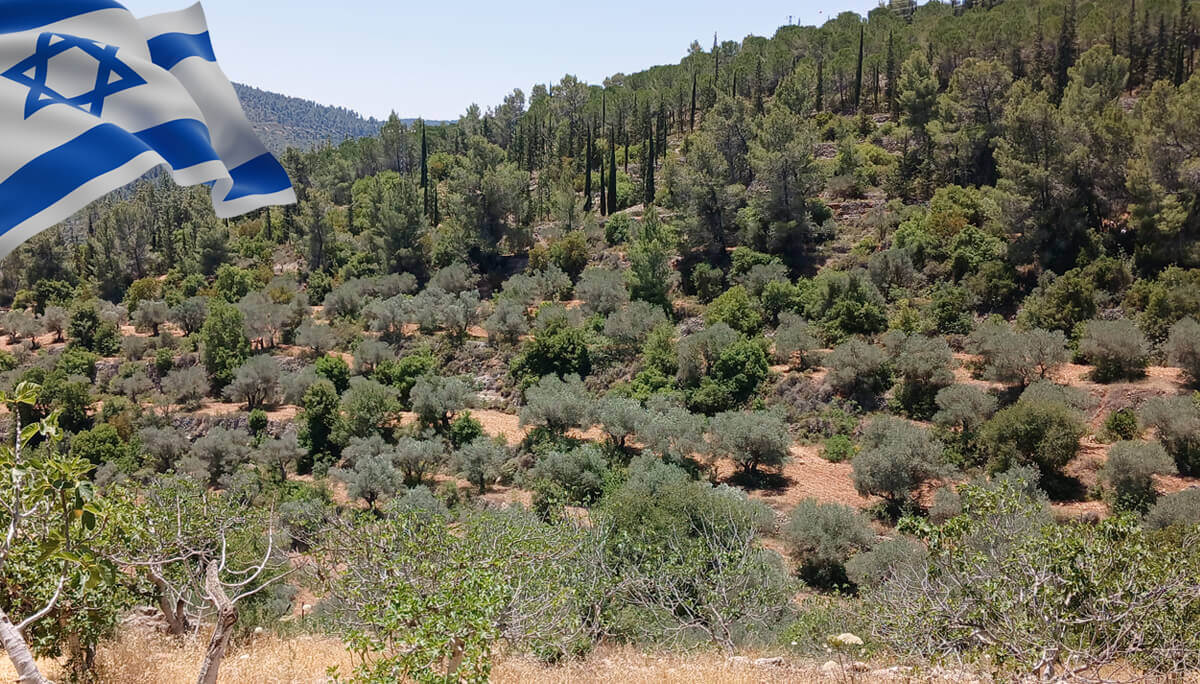
Wishing you a month of peace and growth from Jerusalem!