The High Holidays (Rosh Hashanah and Yom Kippur) are a spiritual high during the Jewish year. Between atoning for our misdeeds, apologizing to those we have wronged, and asking God to write our names in the Book of Life for the upcoming year… it’s intense!
Some rabbis have compared the High Holidays to a job interview. You can’t just walk into a job interview without any preparation. In order to excel, you need to prepare your answers, a good handshake, an appropriate outfit, and be ready to impress when you walk through the door. Rabbis say that the High Holidays are the same way: preparing for the spiritual elevation that occurs from Rosh Hashanah to Yom Kippur is just as important, and that’s why we have Elul.

What is Elul?
Elul (אלול in Hebrew; pronounced eh-lool) is one of the 12 months that make up the Hebrew year. Elul is also the last one on the calendar before the New Year (and the next month) begins on Rosh Hashanah. Elul usually corresponds with August or September on the Gregorian calendar.
Elul is not a Hebrew word originally. It actually comes from Aramaic; its root means “to search.” However, many rabbis have drawn a connection between the word “Elul” and the famous line from Song of Songs, “I am my beloved’s and my beloved’s is mine,” because in Hebrew, E-L-U-L is an acronym for the phrase.
When is Elul 2025?
In 2025, Elul begins at sundown on Saturday, August 23ʳᵈ. There are 29 days in the month of Elul, so Elul will end on Erev Rosh Hashanah, or Monday, September 22ⁿᵈ.
What is the significance of Elul?
As alluded to previously, Elul is a time to prepare spiritually for the High Holidays. In Hebrew, Elul is even known by the phrase “chesbon hanefesh,” which means to account for the soul.
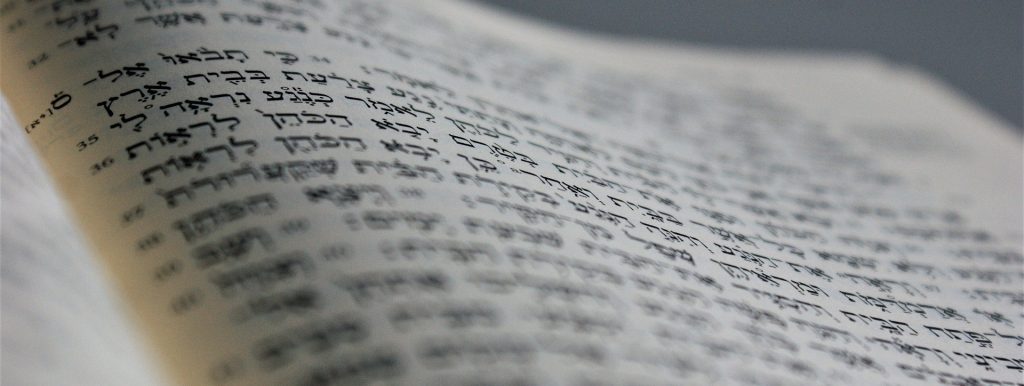
While Elul is not mentioned in the Torah by name, the month is mentioned in many other Jewish texts, including the Ketuvim (Writings), the Mishnah (Oral Torah), the Talmud, and many rabbinical commentaries.
Elul is significant because it is a month of preparing for the coming holidays, as well as the coming year.
Are there any special customs or rituals done during Elul?
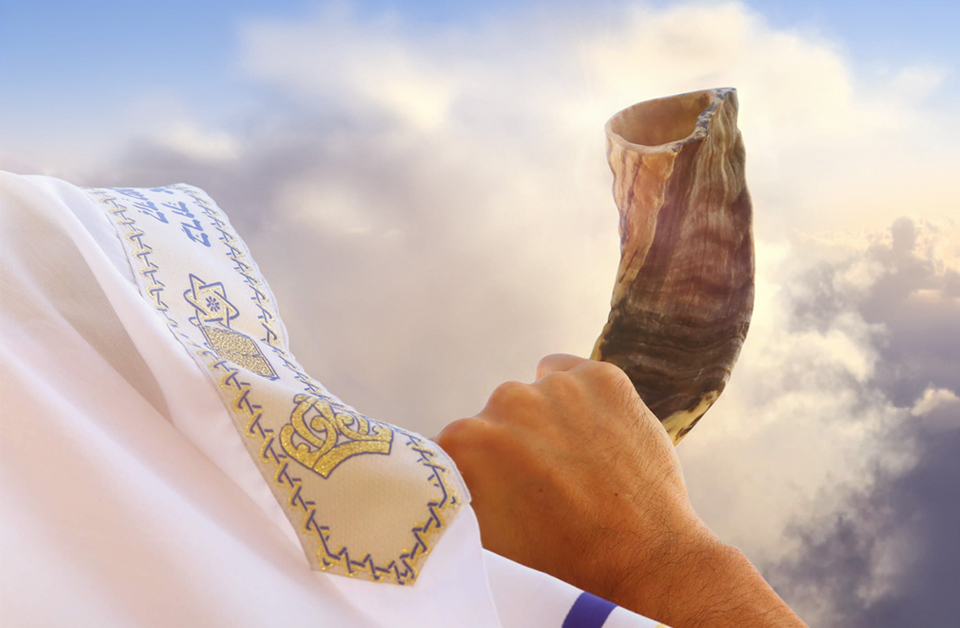
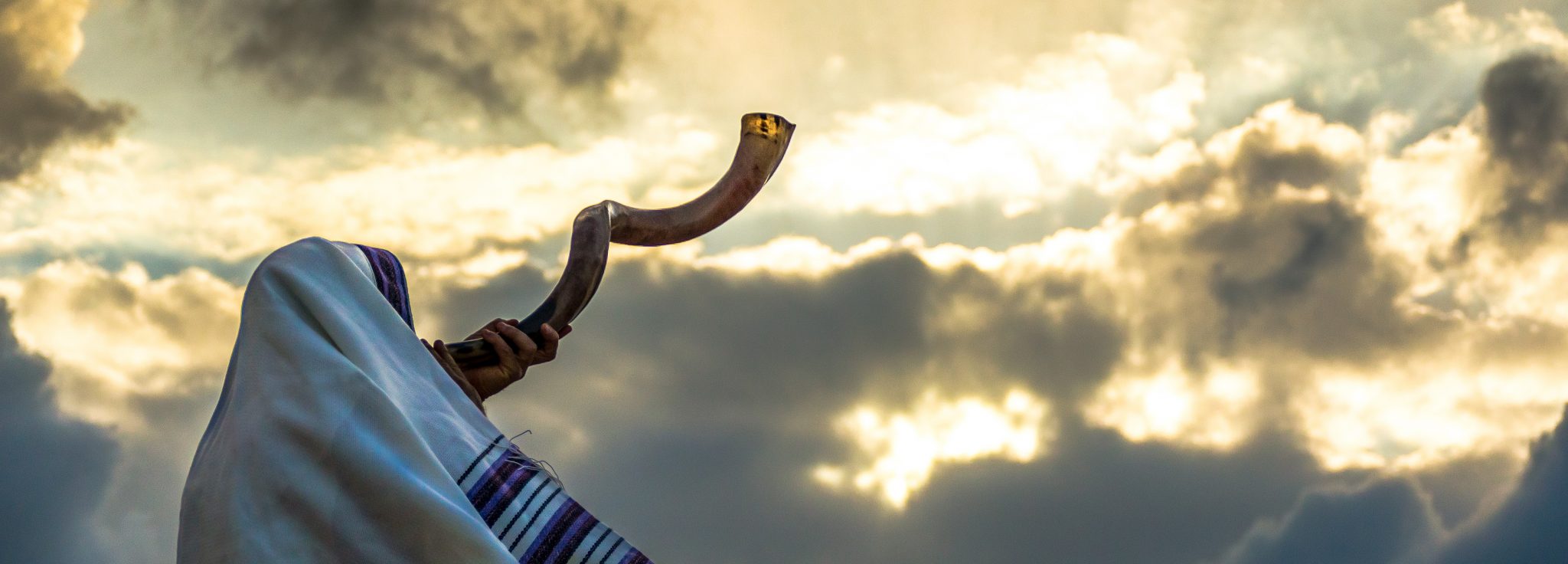
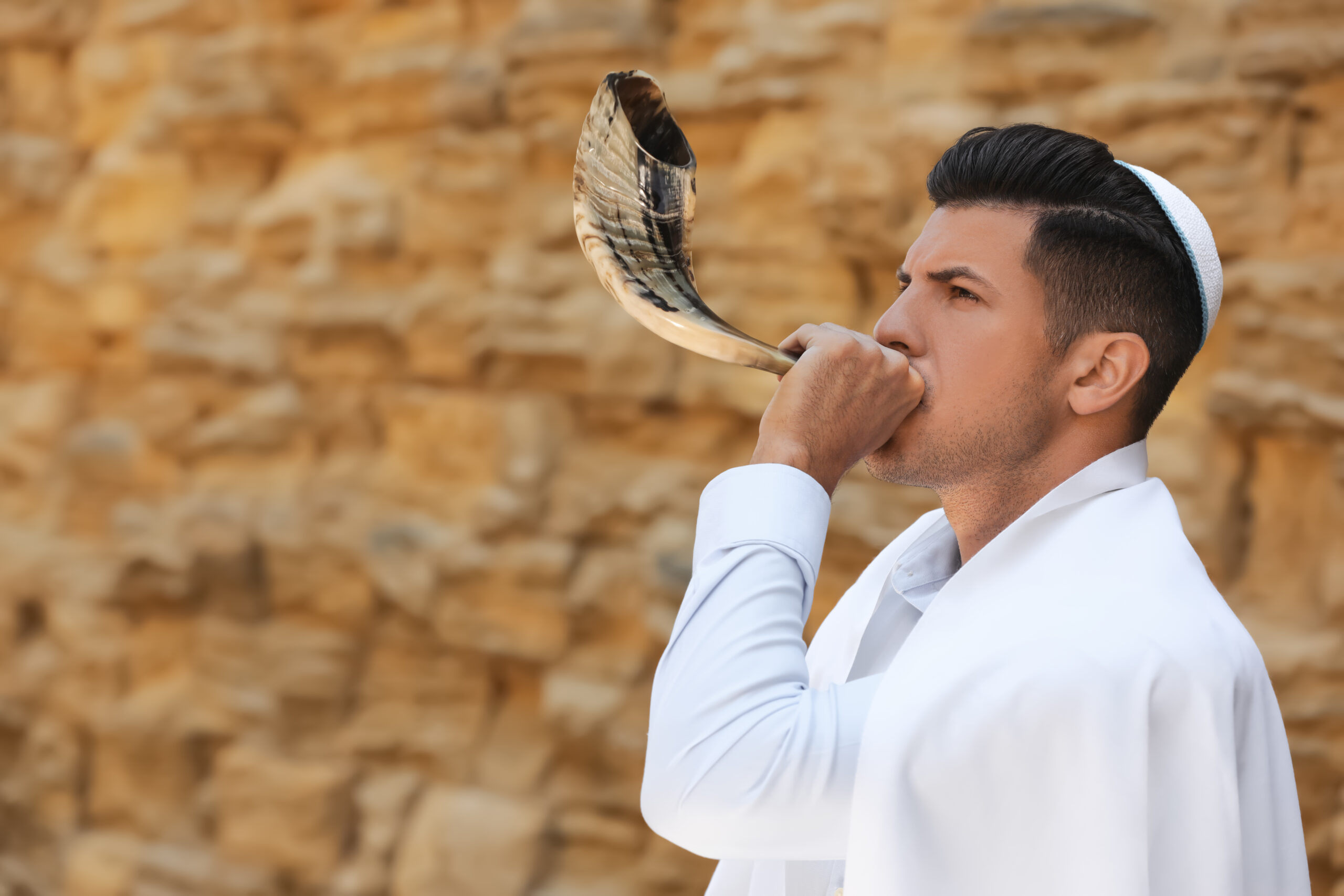
There are a few customs that Jewish people all over the world do throughout the month of Elul. The most well-known one is the blowing of the shofar. The shofar is blown every day during Elul (except on Shabbat), most commonly at synagogues during the end of morning prayers.
The shofar is meant to be a wake-up call to our minds and souls to remind us that Rosh Hashanah and Yom Kippur are coming. The custom of blowing the shofar can be traced all the way back to the Mishnah.
Another common Elul custom is to recite Psalm 27 from the Book of Tehillim (Psalms) every day from the beginning of Elul until Hoshanah Rabbah (the seventh day of Sukkot). This custom is newer and is believed to have originated in the last 200 years or so.
If you follow Sephardic minhagim (customs), your community will also start reciting Selichot, or the communal prayers for forgiveness to God, after the beginning of Elul. If you’re Ashkenazi, your community waits until the Saturday night before Rosh Hashanah.
Many communities and families have developed their own customs that help them prepare spiritually during Elul. Some synagogues have special beit midrash learning opportunities throughout Elul, and many people choose to give more in charity during the month. It is also common to visit the graves of loved ones who have passed, especially since the Yizkor memorial prayer will be recited during Yom Kippur.