What Does the Olive Tree Mean in Judaism?
The olive tree holds special meaning and symbolism in Jewish texts and tradition:
In Tehillim (Psalms) 52:10, the righteous are compared to an olive tree in their faith and resilience: "But I am like a thriving olive tree in God's house; I trust in the faithfullness of God forever and ever."
The Talmud, in Menachot 53b, also points to the olive tree as a symbol of resilience and endurance, and thus also of the longevity and strength of the Jewish people: "just as the leaves of an olive tree never fall off, neither in the summer nor in the rainy season, so too, the Jewish people will never be nullified."
This expounds on the verse in the Book of Jeremiah of the Hebrew Bible: "The Lord called your name a leafy olive tree."
Additionally, the olive tree, and particularly a singular olive branch, also represents peace and renewal in Judaism, as it marked the end of the flood as told in the story of Noah in the Book of Genesis.
How Is the Olive Tree Connected to Israel?
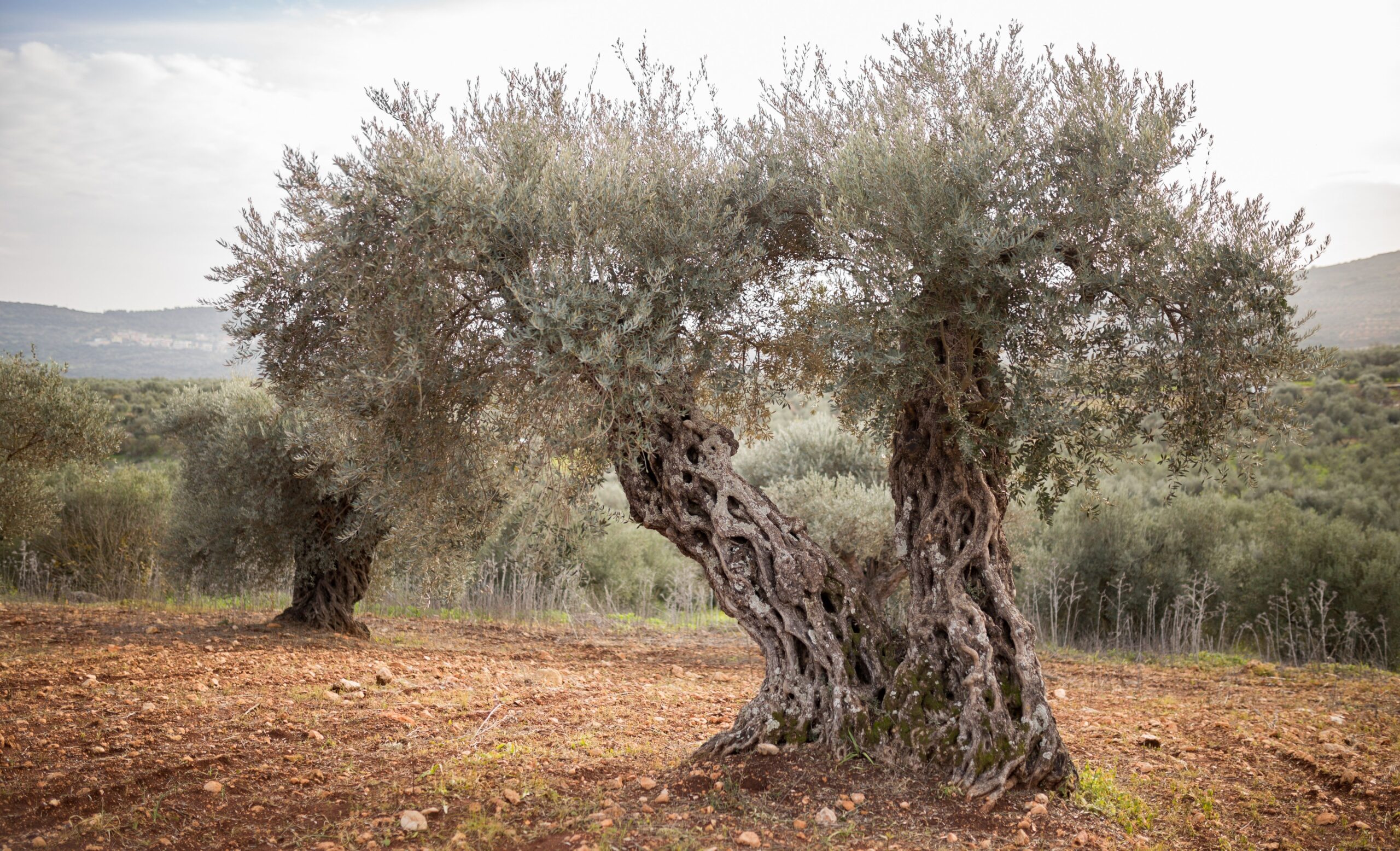
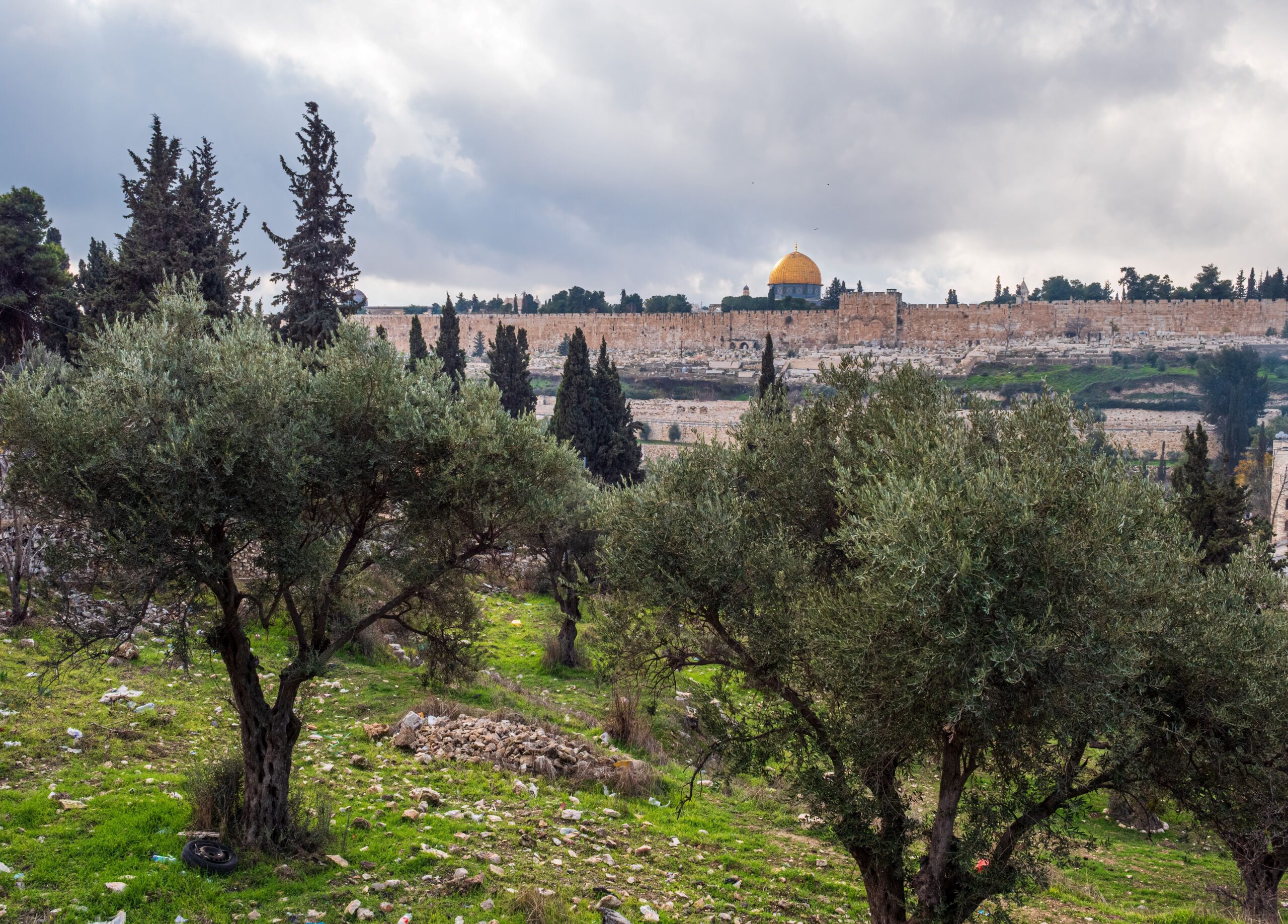
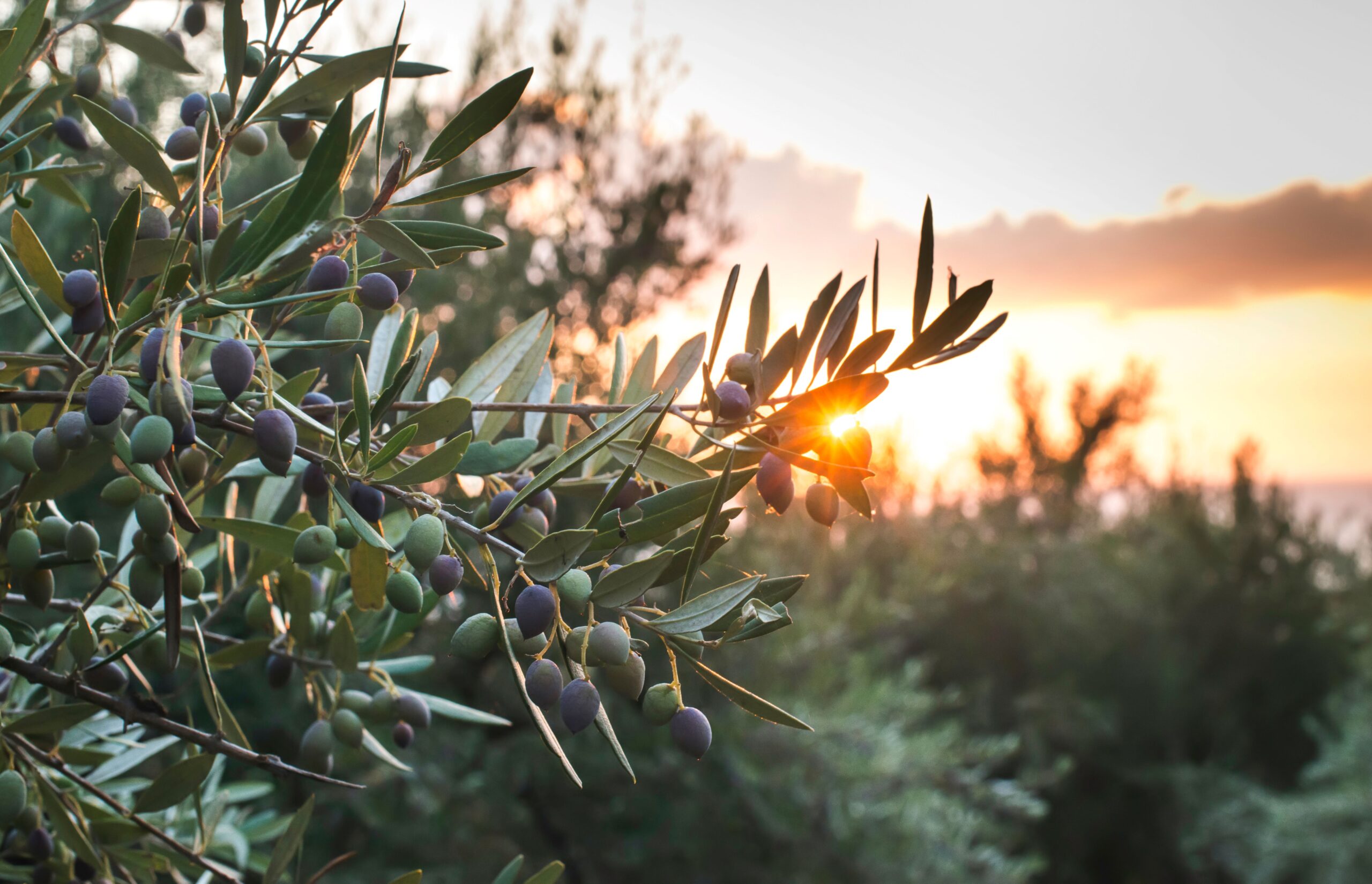
Israeli olive wood comes from trees that have stood for generations, some tracing their lineage back hundreds - if not thousands - of years. These trees are a living testament to Jewish continuity in the Land of Israel, surviving exile, destruction, and renewal.
Olive trees are known already from ancient sources to have grown in Israel, and continue to be common throughout the country today, particularly in the Jerusalem area.
Additionally, the fruit of the olive tree is listed as one of the symbolic Seven Species of the Land of Israel in the Hebrew Bible, which Jews around the world eat on certain holidays in order to feel a deeper connection to Israel.