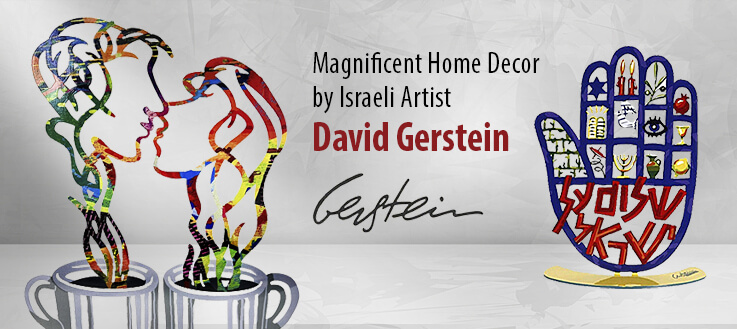
Modern Judaica is no longer about choosing between tradition and design. Today, it is about honoring both in ways that feel natural, personal, and lived-in. In homes across the world, and especially in the United States, Judaica has quietly evolved. Ancient symbols remain at its heart, but their forms now reflect how people actually live.
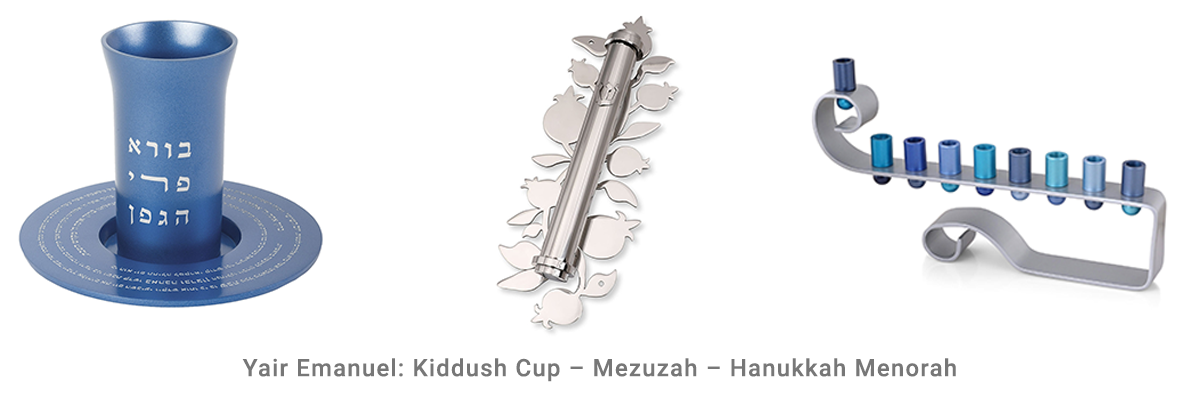
Walk into a contemporary Jewish home and you may notice a menorah with clean, architectural lines, a mezuzah that feels sculptural rather than ornate, or Shabbat candlesticks designed to sit comfortably beside modern ceramics and art books. The change is subtle, but it is intentional.
Modern Judaica often embraces restraint. Lines are cleaner, shapes more considered, and decoration more purposeful. Symbols are still present, but they are sometimes suggested rather than spelled out. A gentle curve may echo a flame. A precise cut might hint at Hebrew lettering. Meaning is still there, but it invites discovery instead of demanding attention.
Another shift lies in how these objects are used. Many contemporary Judaica pieces are designed to be part of everyday life, not only reserved for holidays or formal moments. Judaica is no longer something that lives in a cabinet and comes out a few times a year. It belongs on the table, on the shelf, or by the doorway, woven naturally into daily routines and the style of a home.
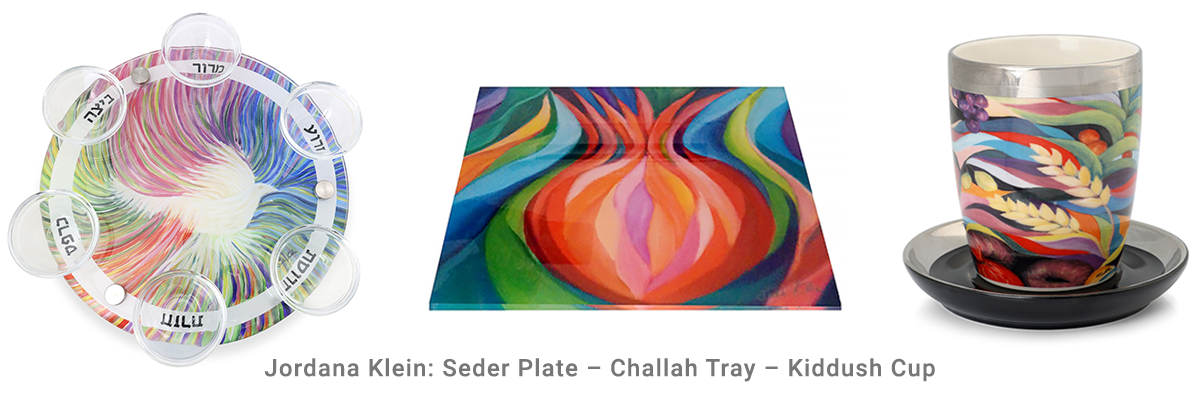
Despite the modern forms, Judaica remains deeply rooted in Jewish history, memory, and values. The menorah still speaks of light and continuity. The mezuzah still marks a home as a Jewish space. Shabbat objects still honor time, rest, and togetherness. Even when the design feels contemporary, tradition quietly guides every decision.
For many designers, this balance is essential. Innovation does not mean moving away from Judaism, but listening to it carefully and translating its symbols for a new generation. Tradition is not treated as something fragile or outdated, but as something strong enough to adapt.
In the United States, where Jewish identity is expressed in many different ways, modern Judaica plays an important role. It allows people to express who they are without feeling they must choose between faith and personal style.
For younger generations in particular, this matters. A thoughtfully designed Judaica piece can feel approachable rather than formal, meaningful rather than obligatory. It creates space for connection on one’s own terms. Jewish identity becomes visible in a way that feels natural and authentic, not performative.
Modern Judaica also fits seamlessly into contemporary homes. It does not ask to be set apart. It lives comfortably alongside modern furniture, art, and design, reflecting a Judaism that exists in the present, not only in memory.
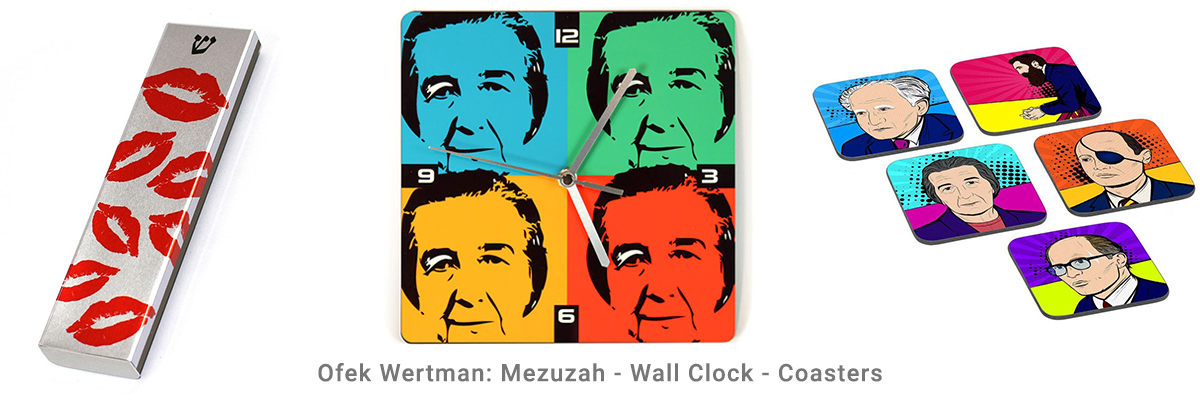
Many contemporary Judaica designers work in Israel, where ancient history and modern life exist side by side every day. This environment naturally shapes their work. Designers grow up surrounded by Jewish tradition while living in a culture that values creativity, innovation, and forward thinking.
The result is Judaica that feels both grounded and fresh. Ancient symbols are treated with care, but also with confidence. They are allowed to evolve, just as Jewish life itself has always evolved.
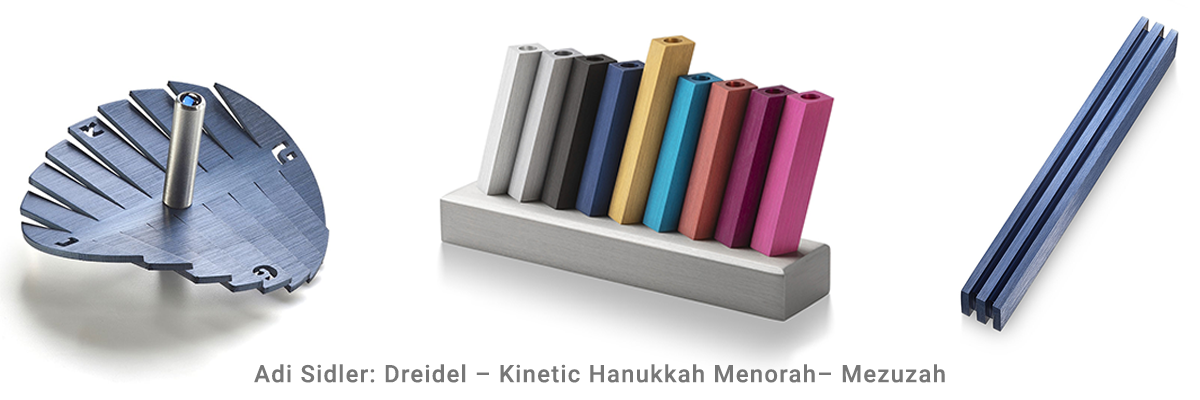
Modern Judaica is not about reinventing Judaism or following short-lived trends. It is about carrying tradition forward, thoughtfully and steadily, into the present moment.
By balancing meaning with design, modern Judaica reminds us that Jewish life is not frozen in time. It grows, adapts, and continues, shaped by each generation that chooses to engage with it. In that sense, every contemporary Judaica piece becomes a creative statement of continuity and belonging.
Silver has long been at the heart of Judaica, valued for its beauty, durability, and ritual significance. What’s changing today is not the material itself, but how it’s used. Matte or hammered finishes replace heavy ornamentation. Designers are finding new ways to work with traditional silver, creating pieces that feel in tune with contemporary interiors.
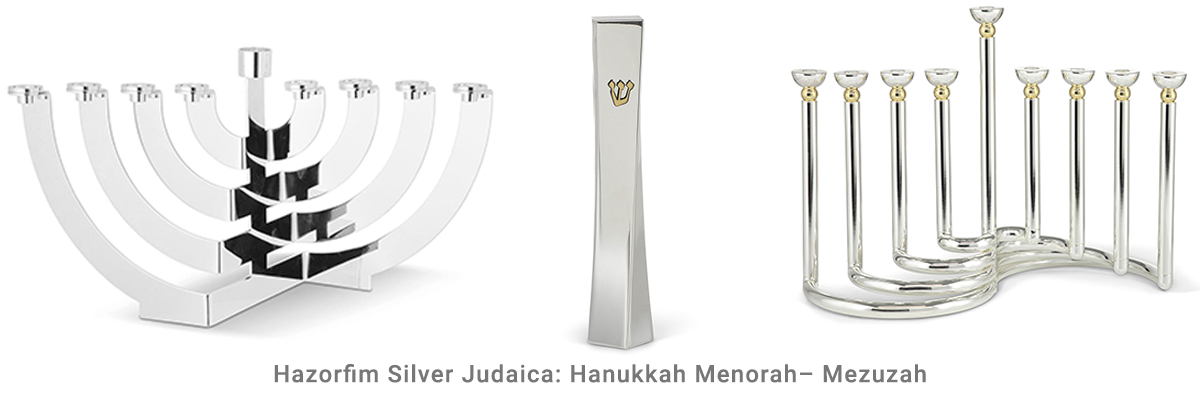
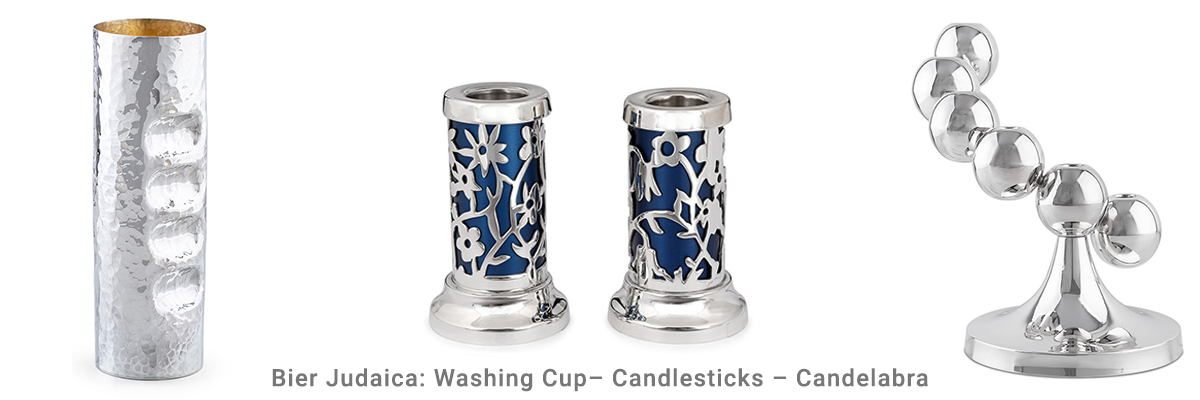
Even traditional silversmiths such as Hazorfim or Bier Judaica reflect this shift in their collections. Alongside classic forms, they introduce cleaner lines, simpler surfaces, and more restrained detailing. The craftsmanship remains unmistakably traditional, but the overall look adapts naturally to the spaces and lifestyles of today.
For more information about our research process, sourcing, and editorial review, please see our editorial standards and content policy.