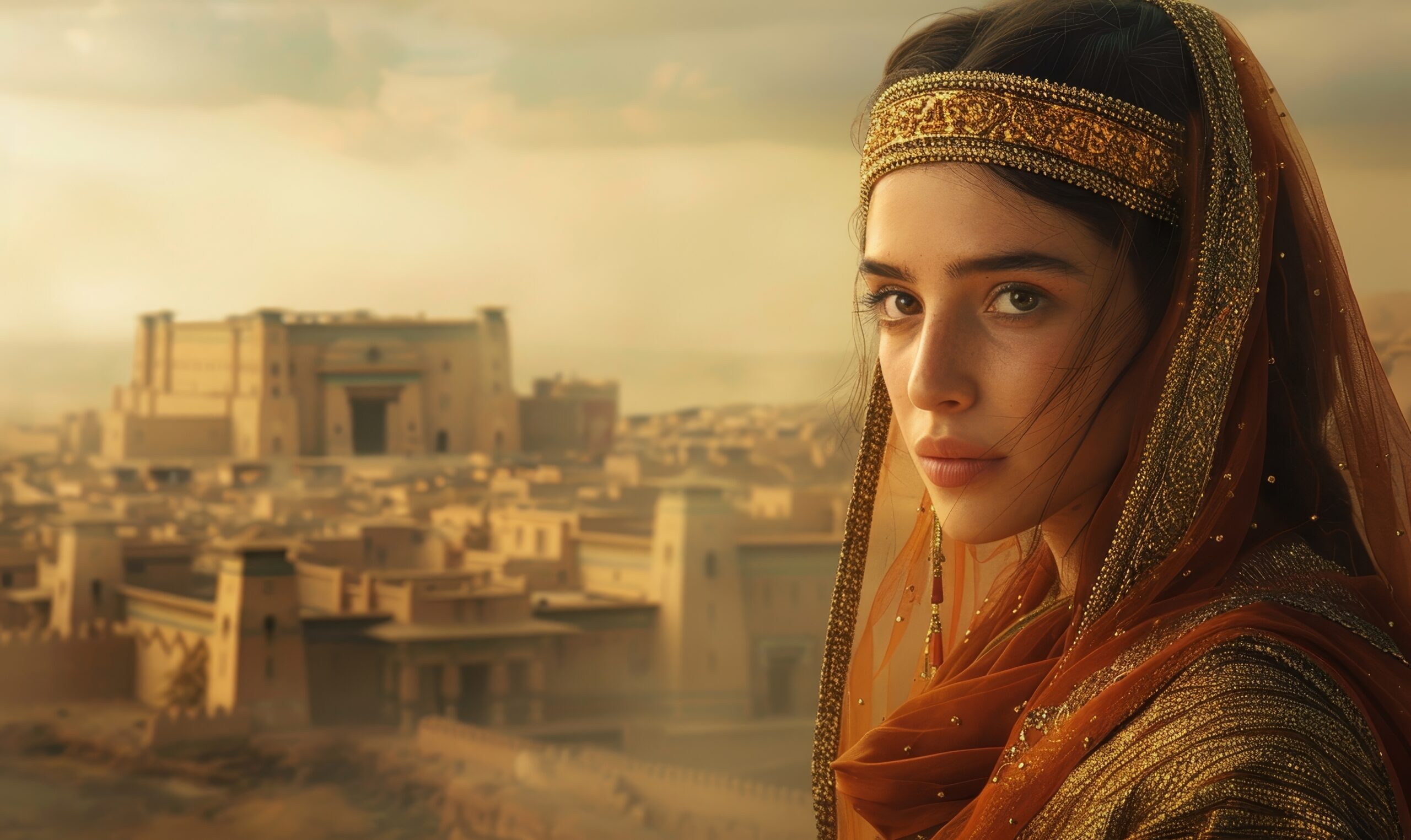
The history of Jews in Iran, which has been at various times called Persia or Babylon, is both ancient and complex, spanning over two and a half millennia.
It dates back to Biblical times, at least as far back as the 6th century BCE, with references in the Biblical books of Chronicles, Isaiah, Daniel, Ezra, and Nehemiah to Jewish life and experiences in Persia.
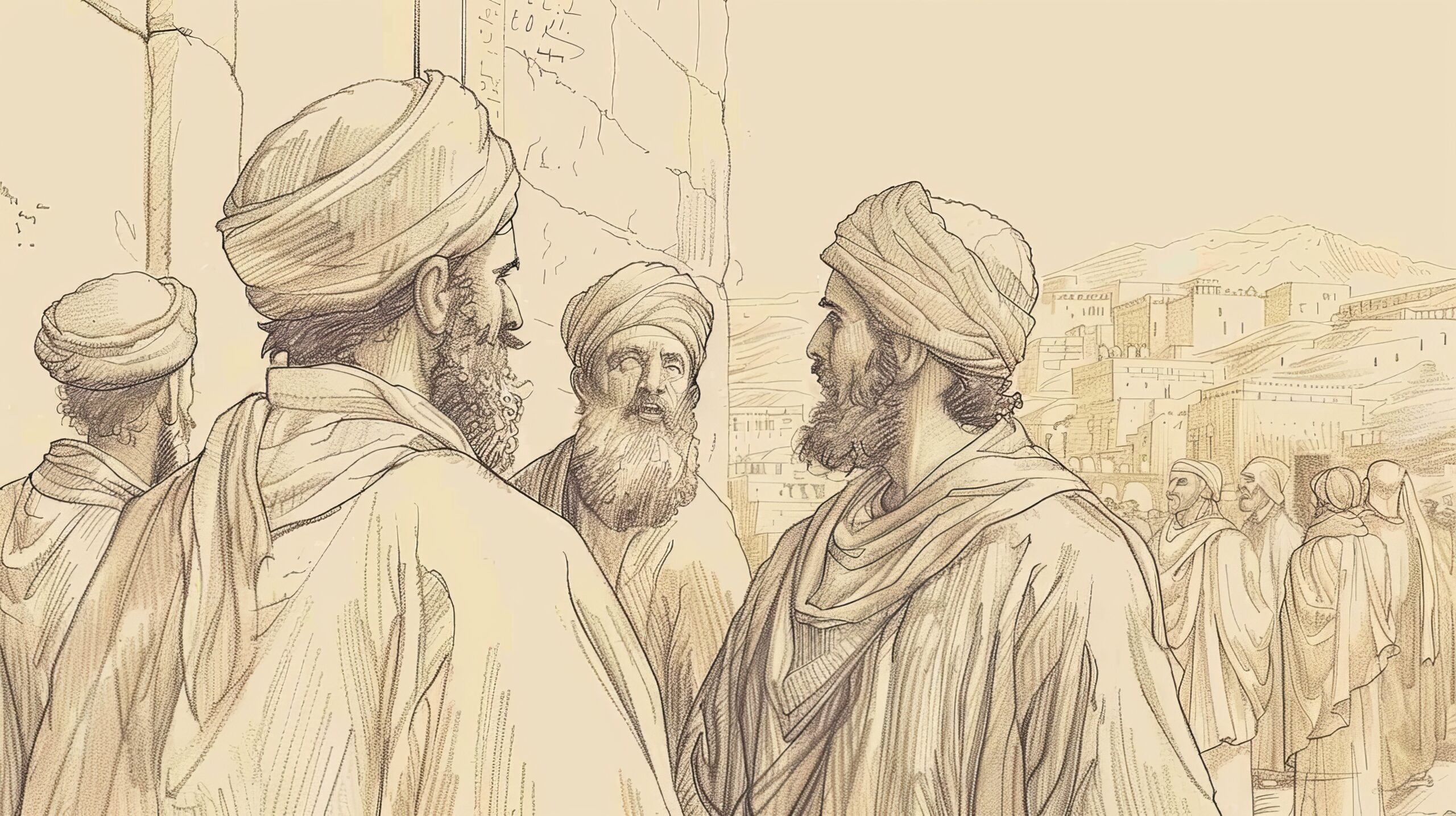
Many Jews from the Land of Israel had been exiled to Persia by the Babylonian Empire following the destruction of the First Temple. The famous ruler Cyrus the Great later permitted the Jews to return to Jerusalem and rebuild the Temple, earning him great acclaim in Jewish history and tradition.
However, there were also many Jews who chose to stay in Persia, where they enjoyed a degree of autonomy and prosperity under Persian rule - leading to the establishment of one of the most prominent diaspora communities in Jewish history.
Another famous Biblical story is that of Queen Esther and Mordechai and their triumph over the Persian politician Haman who sought to destroy the Jews of the Persian empire.
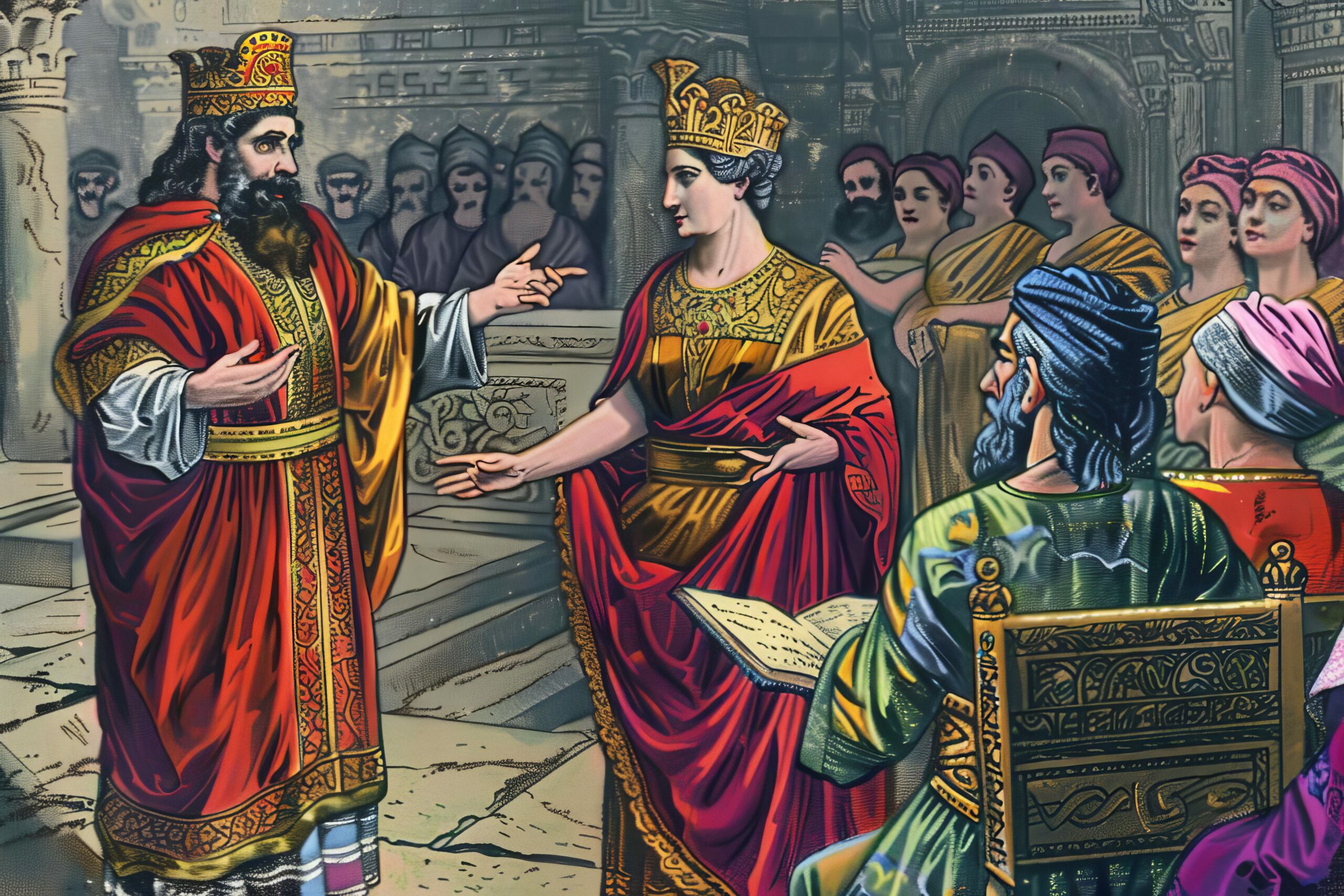
The story as recounted in the Book of Esther is believed to have taken place sometime in the 5th century BCE, and is celebrated to this day with the Jewish holiday of Purim. This story was naturally extra-special to the Jewish community of Iran throughout the ages, and the community lovingly maintained the tombs of Esther and Mordechai in Hamadan, Iran.


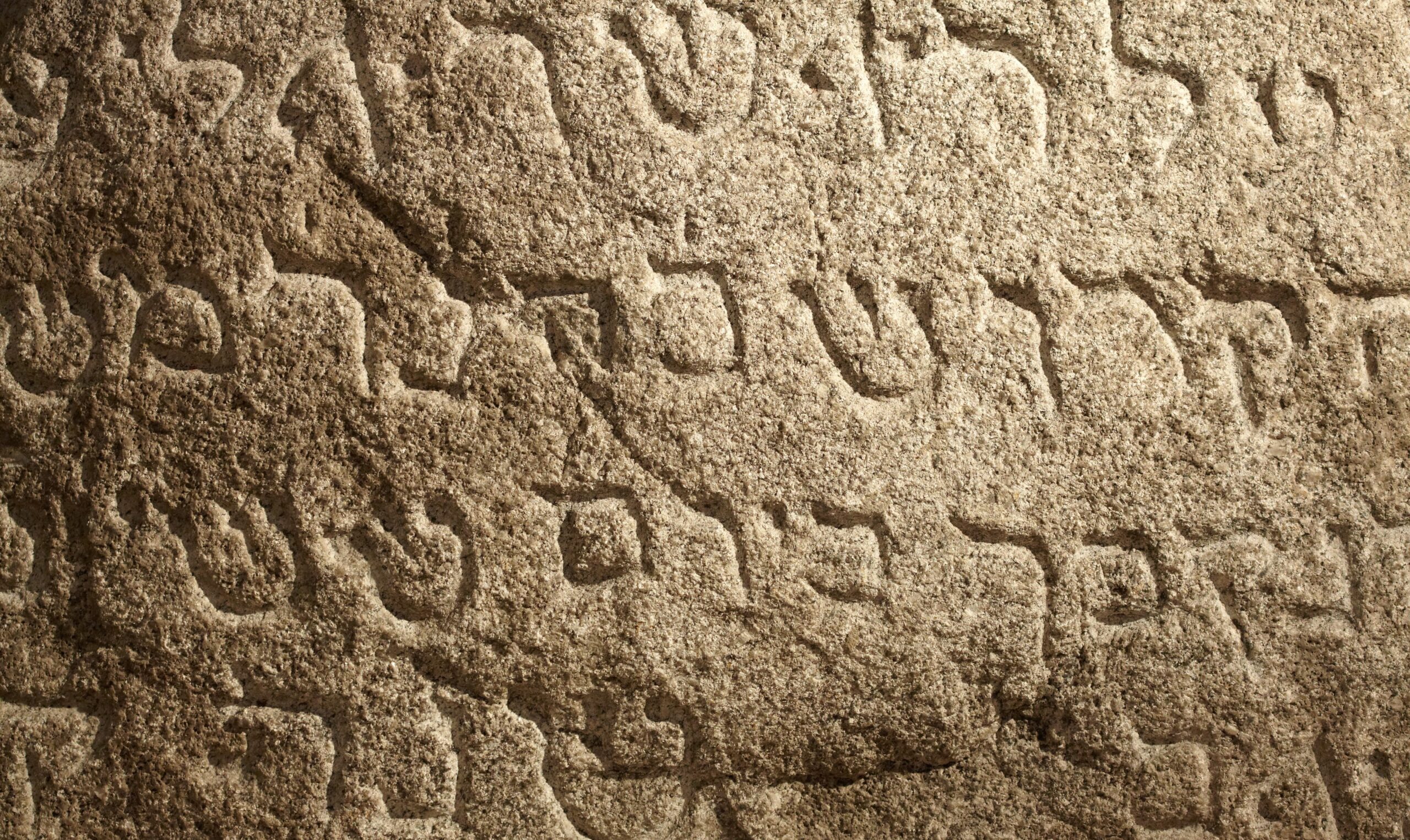
During the Parthian and Sassanian periods of Iranian history (247 BCE - 651 CE), Jewish communities flourished and enjoyed relative freedom. Jews had their own leaders and academies, which became important centers of learning that contributed greatly to the development of the Talmud. In this way, the Jewish Iranian community helped shape Jewish laws and customs that would be followed by worldwide Jewry for centuries to come!
The arrival of Islam in the 7th century brought significant changes. The new Muslim rulers classified Jews, along with Christians and Zoroastrians, as "dhimmis," or protected minorities. This status allowed Jews to practice their religion and maintain their communities, albeit under certain restrictions and with the requirement to pay the jizya, a special tax. Despite these constraints, the Jewish community in Iran remained vibrant and influential, particularly in trade and medicine.
The Jewish community faced increased hardships between the 16th through 19th centuries, including persecution and even forced conversions. However, the Iran of the Pahlavi era (1925-1979) sought to modernize the country and brought many reforms that improved the social and economic status of Jews, who became active in various professional fields, including education, medicine, and commerce. Tehran's Jewish community, in particular, experienced a cultural renaissance.
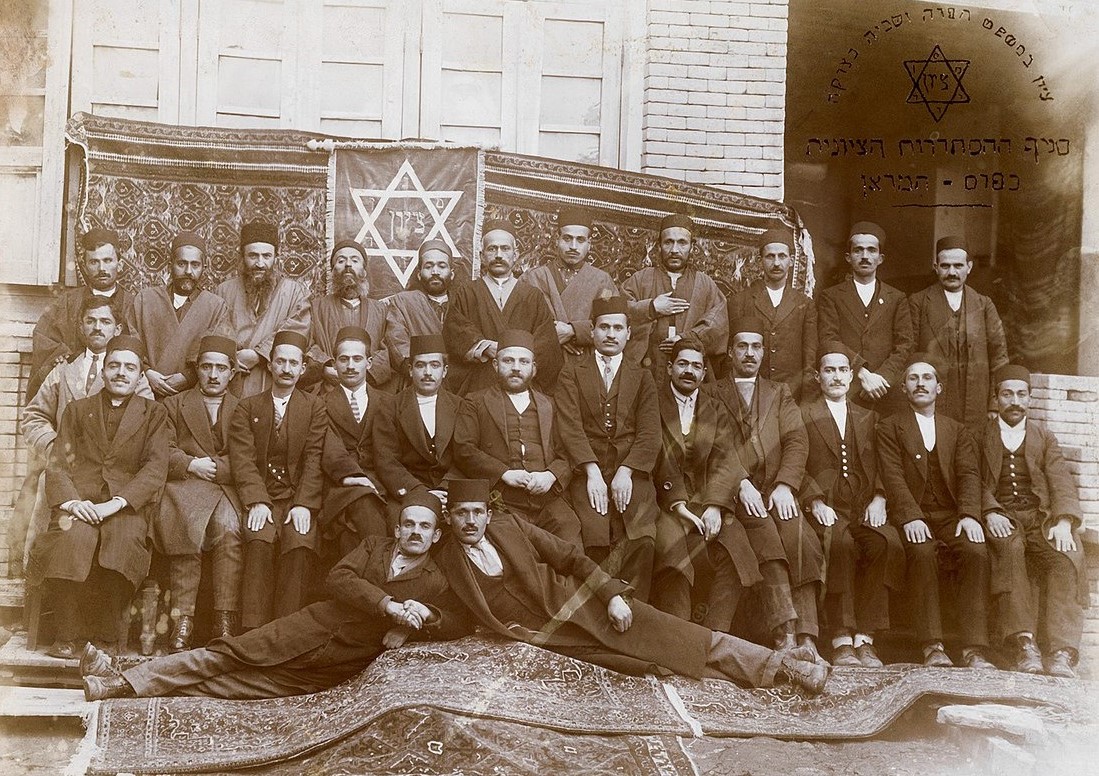
However, the 1979 Islamic Revolution dramatically changed the situation for Iran's Jews. The new Islamic Republic, while officially recognizing Jews as a religious minority, imposed strict Islamic laws that affected all non-Muslims. The revolution sparked fear among many Iranian Jews, leading to mass emigration, primarily to Israel and the United States. The Jewish population in Iran, which once numbered around 100,000, dwindled to a few thousand.
Today, the Jewish community in Iran is small but still present, with the majority living in Tehran, Isfahan, and Shiraz. They maintain their synagogues, schools, and cultural institutions, though their activities are closely monitored by the state. While Jews in Iran face certain restrictions, the community has managed to preserve its identity and traditions with pride and bravery, in a country with one of the oldest continuous Jewish populations in the world!
Are you proud of the rich history of Jews in Iran and around the world? Express yourself with fabulous, Israeli-made Jewish jewelry available right on our site!