Israeli History
Menorah

Hanukkah in Israel vs America

Hanukkah, the Festival of Lights, is celebrated by Jews around the world, but the way it’s observed can vary greatly depending on where you are.

While the essence of the holiday remains the same—commemorating the miracle of the oil and the victory of the Maccabees—the customs, traditions, and public displays differ significantly between Israel and the United States. Let’s compare the major elements of Hanukkah celebration in these two countries, from menorah lighting to the foods we eat, public celebrations, and more.

Menorah Lighting
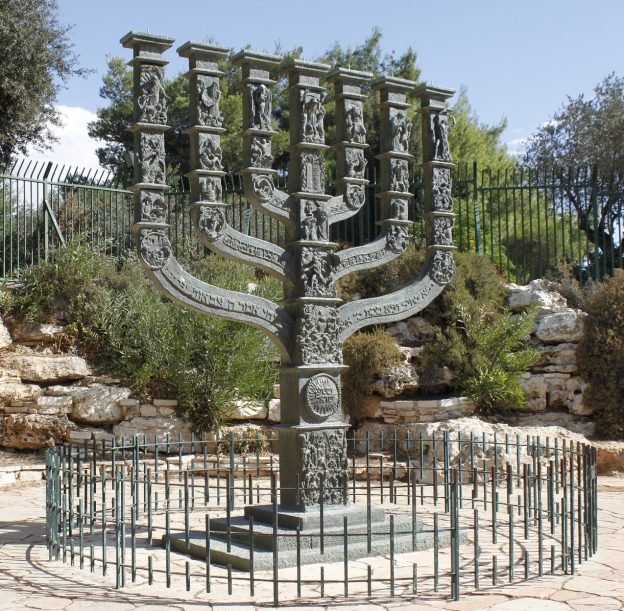
menorah-replica-624x611

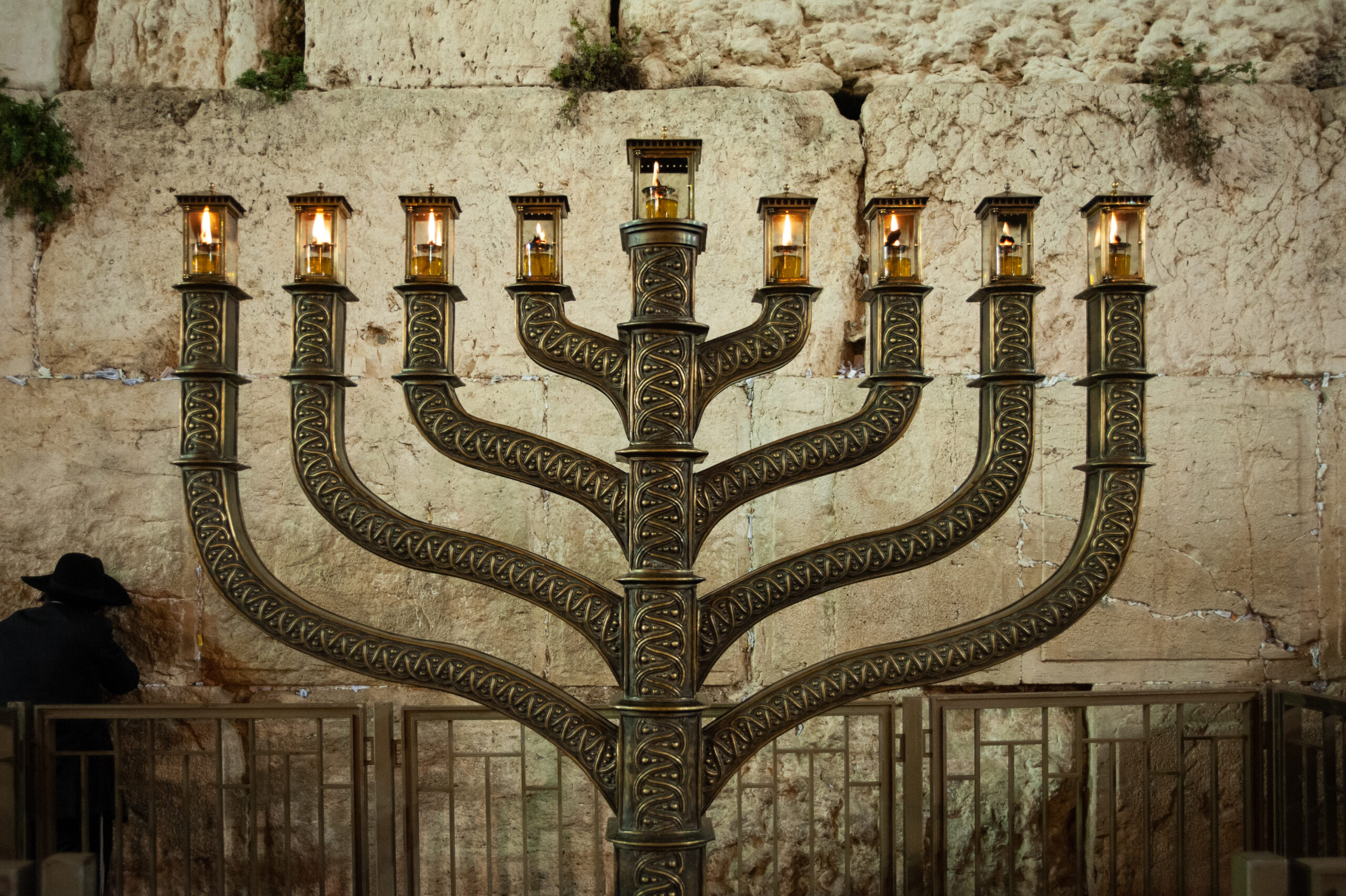
In Israel, menorahs are often placed outdoors right outside the front door, prominently displayed in public spaces, and typically encased in glass boxes for protection from the wind or rain. Outside of apartments, it is not uncommon to see these boxes hung just slightly above one another. This tradition is a symbol of the tenet of publicizing the miracle. Moreover, the norm in Israel is to use olive oil or similar, and lighting in glass cups with floating wicks. This practice is only starting to gain modest popularity in places like the US, especially now with pre-filled, pre-wicked gel oil cups. It's common to see large menorahs in parks, at synagogues, or in the centers of cities, especially in places like Jerusalem, Tel Aviv, and Haifa. These public menorahs are lit by both individuals and municipalities, creating a festive, communal atmosphere.

Meanwhile, while large outdoor menorahs are becoming more popular in cities like New York and Los Angeles, as well as being visible in places like office buildings, the vast majority of menorah lighting  takes place inside homes, on windowsills or tables, almost always using wax Hanukkah candles. The emphasis is on personal or family observance, and public menorah lighting events are often sponsored by Jewish organizations or synagogues but are less ubiquitous than in Israel.

btn
Food
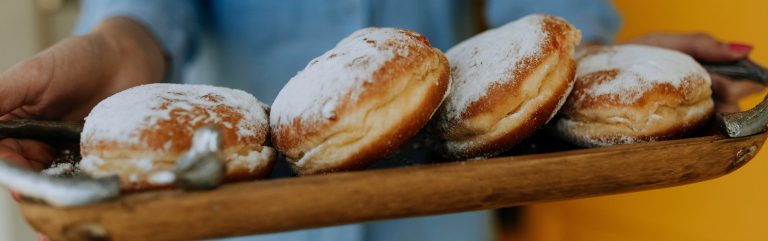
sufganiyot-768x241

Sufganiyot are a must-have during Hanukkah in Israel, and they have become an art form, which are deep-fried doughnuts filled and often with elaborate toppings. In addition to the traditional jam-filled sufganiyah, Israeli bakeries release an array of creative fillings such as chocolate, caramel, tiramisu, and if you know where to look—or if you make at home—you can find savory options like cheese and za'atar. Sufganiyot are sold in almost every bakery and supermarket, and each year sees more inventive varieties. Sufganiyot were invented in Israel, so unlike lots of other customs brought over from the wider Jewish diaspora, this treat is an Israeli specialty.


While sufganiyot have gained popularity in recent years in the U.S, they aren't quite as central to the celebration as they are in Israel. Latkes tend to take precedence when it comes to holiday foods in the U.S. Latkes are a central part of the Hanukkah meal, and many American Jewish families have their own recipes and variations. In addition to the classic potato latkes, you’ll find creative versions like sweet potato latkes, zucchini latkes, or even latkes made with non-traditional ingredients like carrots or cauliflower. Latkes are typically served as a side dish and paired with sour cream, applesauce, or other toppings. In Israel, though, latkes are not nearly as widely consumed.

btn
Dreidel Game
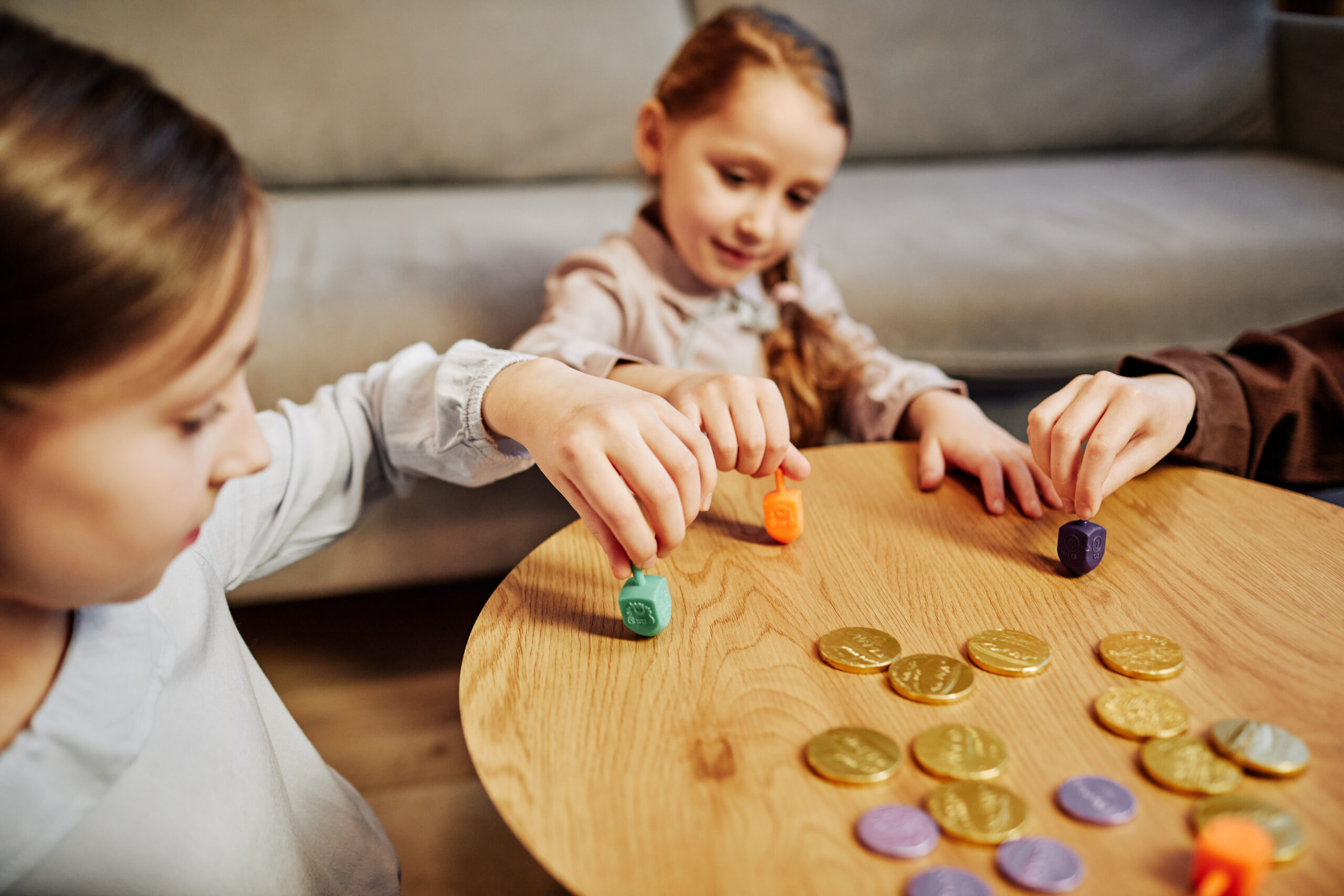
Jewish Children Playing Dreidel

In Israel, the dreidel game is not as commonly played in Israel as it is in the U.S., but there is one notable difference. Instead of the traditional נ-ג-ה-ש, Israel’s dreidels use נ-ג-ה-פ to stand for “nes gadol hayah poh”, or “a miracle happened here”.

The dreidel game is a beloved tradition among American Jewish families. Children often play dreidel with chocolate gelt (coins), and the game is an educational tool for teaching about Hanukkah. Dreidel sets and gelt are widely sold during the holiday season, and many families incorporate the game as a fun way to engage kids in the celebration. It’s common to see large dreidel displays in stores and community centers.

btn
The History of these Differences

While there are Jews who live in basically every major English speaking country from North America, England, and in the Southern Hemisphere, most of those Jews—the ones who will be reading this article—are Ashkenazi, who used to mostly live in Central to Eastern Europe. In those countries, the Jews of Ashkenazi heritage rank over 90% of all Jews, while in Israel close to 60% have Sephardic heritage. Wax candles, latkes, and most especially dreidels were not a common sight in those Mediterranean, Middle Eastern, or Central Asian communities. 

Israel has allowed for these trends to mix in new and exciting ways, while also adding its own influences. The sufganiya is one such example, but being in the Middle East itself, the environmental necessities also encourage certain practices like olive oil lamps over wax candles which had the reverse accessibility in places like Europe for most of Jewish history. Israel has brought all the Jews of the world together, but being the site of where the miracles indeed happened, it also lends itself to more traditional practices, including the outdoor display of menorahs.

Israel continues, as it has been from its very beginning, to be a melting pot while also bringing people back to their roots in their homeland, and Hanukkah is the perfect time to display that blend of ancient and modern customs.
 

Make sure you have everything you need for Hanukkah, no matter how you celebrate.

btn
HANUKKAH-GIFTS_Category-24

JWS POST YOU MAY LIKE

Passover 2026 all you need to know
Passover 2026: The Complete Guide
Whether you’re planning your first Seder or refreshing your family traditions, this Passover guide walks you through every step. Explore
Israeli Air Force 2026 Adir
Inside the Israeli Air Force 2026: Innovation in the Skies
From stealth fighters and laser defense to record-breaking pilots, take a look inside the Israeli Air Force in 2026 and
Seder table
First Night of Passover 2026: All You Need to Know
When Is Passover 2026? Passover (Pesach) follows the Hebrew calendar and begins on the 15th of Nisan. This year, it
The River Nile
The Exodus from Egypt: Why It Could Only Have Happened There and Then – By Dr. Liora Ravid
The Exodus from Egypt is remembered above all for the great and amazing miracles that God performed for the Israelites
Boy eating matzah
Matzah: Everything You Need to Know About Passover's Most Important Food
It is made from just two ingredients. It takes eighteen minutes to prepare. It has no flavor that would make
Passover seder plate with vegan options
How to Make a Vegan Seder Plate with Traditional Alternatives
Creating a vegan Seder plate is easier than you might think. Four traditional Seder foods are already plant-based. Discover the