Jewish and Israeli Food

Hanukkah Foods: Traditional Dishes That Bring Light to the Table

Explore the traditional foods that bring light, warmth, and meaning to Hanukkah – from crispy latkes to sweet sufganiyot!

Why Food Is Central to the Hanukkah Celebration

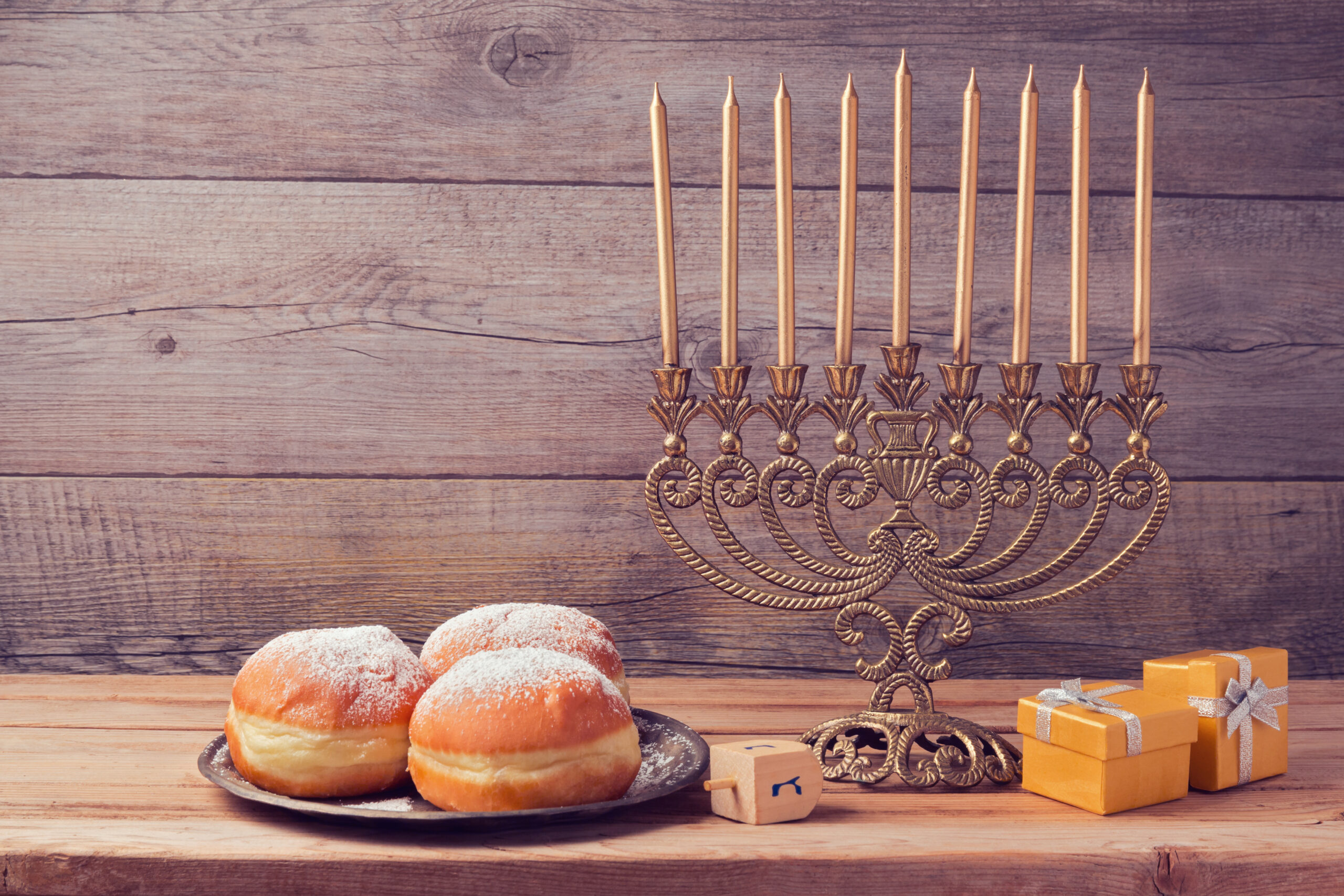
Hanukkah isn’t just about lighting the menorah – it’s about gathering around the table with family, sharing stories, and enjoying traditional Hanukkah foods that connect us to the miracle we celebrate.

Food plays a unique role in Hanukkah because it tells the story of the holiday itself. When the Maccabees reclaimed the Temple in Jerusalem, they found only enough pure oil to light the menorah for one day – yet miraculously, it burned for eight. To honor this miracle of the oil, Jewish communities around the world have created a delicious tradition: frying foods in oil as an edible commemoration of that ancient wonder.

But Hanukkah food is about more than just oil. It’s about gathering together during the darkest time of year and creating light- both literally with the menorah and figuratively through shared meals, laughter, and connection. From the sizzle of latkes in the pan to the sweet aroma of fresh sufganiyot, every crispy bite reminds us that even a small amount of light can push back enormous darkness, and that miracles can happen when we least expect them.

Whether you’re keeping treasured family recipes alive or trying these traditional Hanukkah foods for the first time, these dishes bring warmth, joy, and meaning to every night of the holiday!

Classic Hanukkah Recipes

These traditional Hanukkah foods are perfect Hanukkah meal ideas for your Festival of Lights celebration. Whether you're planning a traditional Hanukkah dinner or looking for festive dishes to serve throughout the eight nights, these recipes honor the miracle of the oil while bringing delicious flavors to your table.


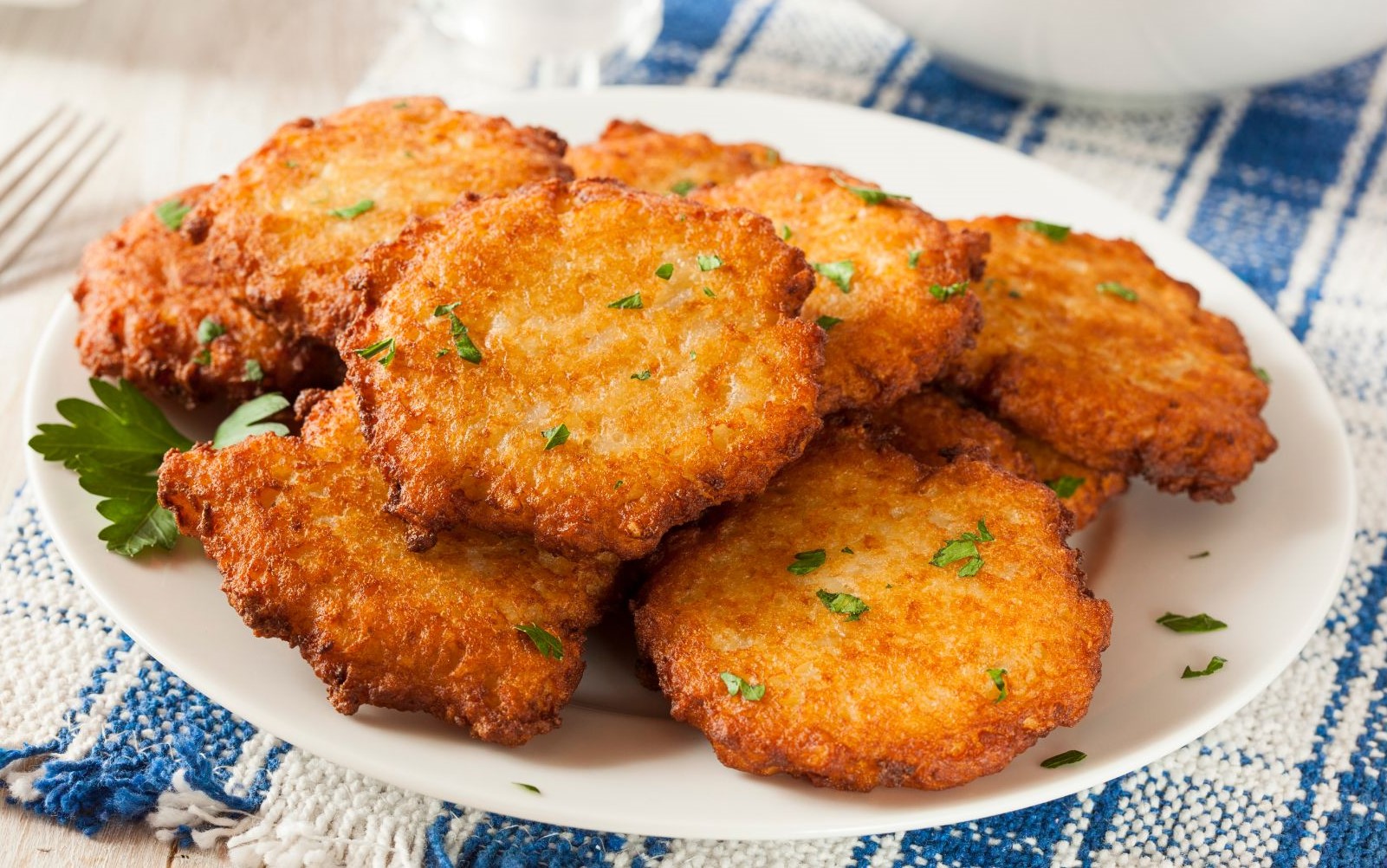
Latkes (Eastern European/Ashkenazi Potato Pancakes)

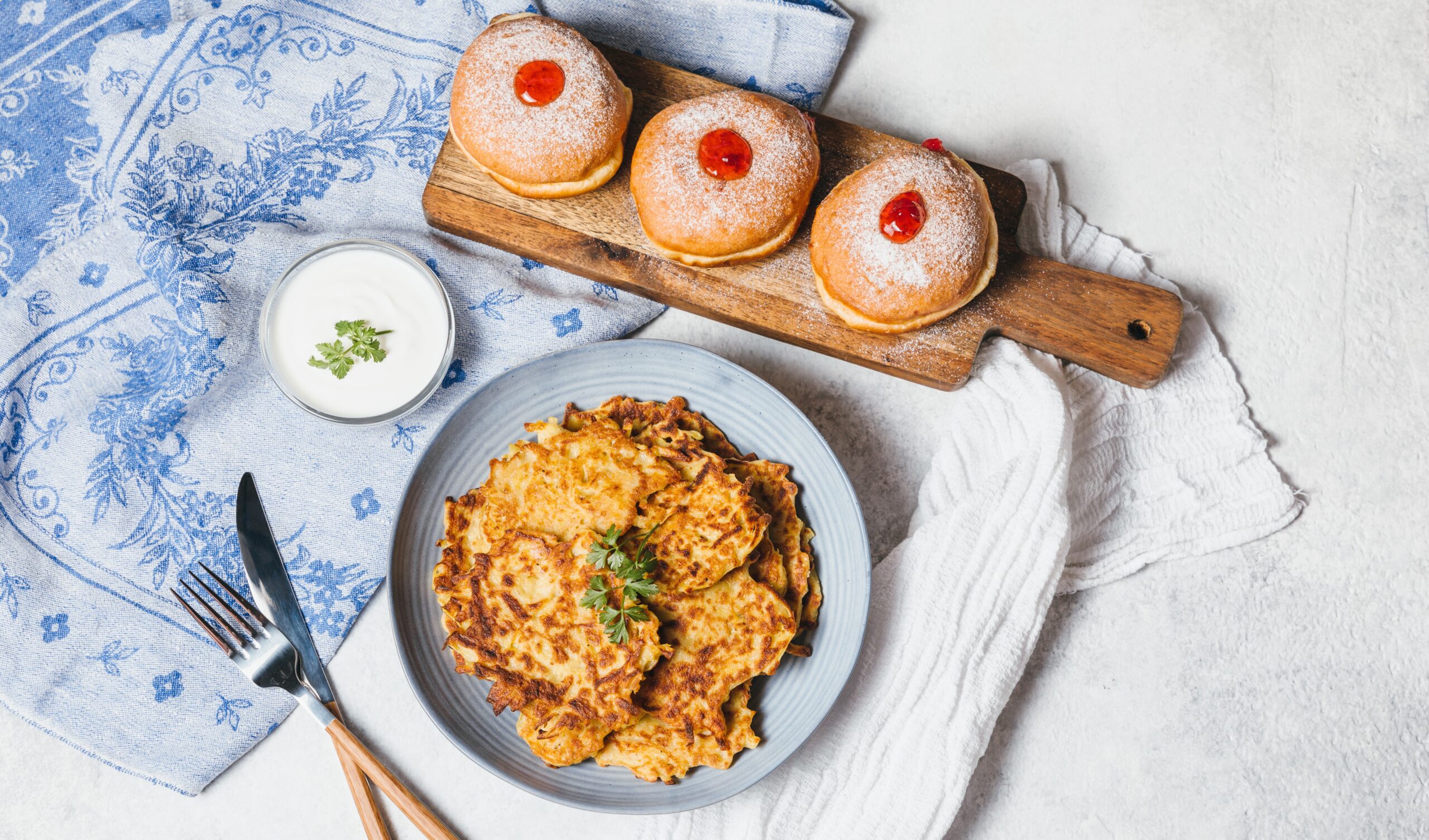
The ultimate Hanukkah dish, latkes are crispy, golden potato pancakes fried to perfection. Popular in Ashkenazi communities, they're traditionally served with sour cream or applesauce.

Ingredients:

  • 2 pounds russet potatoes, peeled
  • 1 medium onion
  • 2 large eggs, lightly beaten
  • 1/4 cup all-purpose flour or matzo meal
  • 1 teaspoon salt
  • 1/2 teaspoon black pepper
  • Vegetable oil for frying
  • Sour cream or applesauce for serving

Instructions:

  1. Grate the potatoes and onion: Use a box grater or food processor to shred the potatoes and onion. Place them in a clean kitchen towel and squeeze out as much liquid as possible - this is the secret to crispy latkes!
  2. Mix the batter: In a large bowl, combine the grated potatoes and onion with eggs, flour, salt, and pepper. Mix until well combined.
  3. Heat the oil: Pour about 1/4 inch of oil into a large skillet and heat over medium-high heat until shimmering (around 350°F).
  4. Fry the latkes: Scoop about 1/4 cup of the potato mixture into the hot oil and flatten slightly with a spatula. Don't overcrowd the pan—fry 3-4 latkes at a time. Cook for 3-4 minutes per side until deep golden brown and crispy.
  5. Drain and serve: Transfer cooked latkes to a paper towel-lined plate to drain excess oil. Serve hot with sour cream and/or applesauce.

Tips for Perfect Latkes:

  • Squeeze out as much liquid as possible from the potatoes - this makes them crispy instead of soggy
  • Keep the oil hot but not smoking
  • Don't flip too early - wait until you see golden edges
  • Keep finished latkes warm in a 200°F oven while you fry the rest


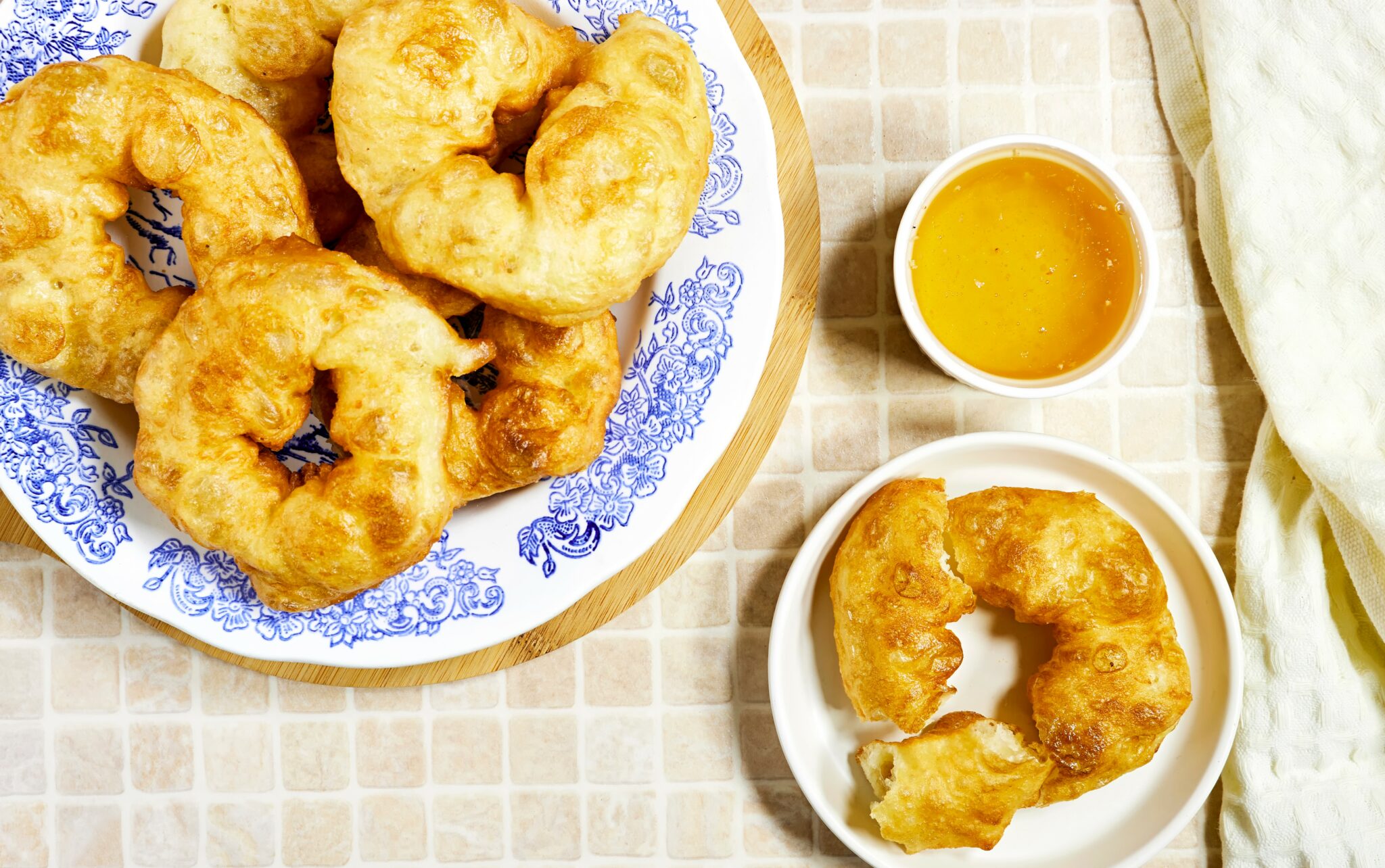
Sfenj (North African Fried Doughnuts)

Popular in Sephardic and Mizrahi communities, particularly among Moroccan Jews, sfenj are light, airy fried doughnuts with a delightfully chewy texture. They're traditionally served either plain, dusted with sugar, or drizzled with honey.

Ingredients:

  • 3 1/2 cups all-purpose flour
  • 1 tablespoon active dry yeast
  • 1 tablespoon sugar
  • 1 1/2 teaspoons salt
  • 1 1/2 cups warm water
  • Vegetable oil for frying
  • Powdered sugar or honey for serving (optional)

Instructions:

  1. Make the dough: In a large bowl, combine flour, yeast, sugar, and salt. Add warm water and mix with your hands or a wooden spoon until you have a very sticky, elastic dough. The dough should be wetter than typical bread dough; don't add extra flour!
  2. Let it rise: Cover the bowl with a damp towel and let the dough rise in a warm place for 1-2 hours until doubled in size.
  3. Heat the oil: Pour about 2 inches of oil into a heavy pot and heat to 375°F.
  4. Shape and fry: Wet your hands with water (this prevents sticking). Pinch off a golf ball-sized piece of dough, flatten it slightly, and use your finger to poke a hole through the center, creating a ring shape. Gently stretch it a bit to enlarge the hole.
  5. Fry until golden: Carefully slide the dough ring into the hot oil. Fry for about 2 minutes per side until puffed and golden brown. Don't overcrowd the pot.
  6. Drain and serve: Remove with a slotted spoon and drain on paper towels. Serve warm, plain or dusted with powdered sugar or drizzled with honey.

Tips for Perfect Sfenj:

  • Keep the dough wet and sticky; resist the urge to add more flour
  • Keep a bowl of water nearby to wet your hands while shaping
  • Fry immediately after shaping for the best texture
  • Eat them fresh - they're best within a few hours of frying!


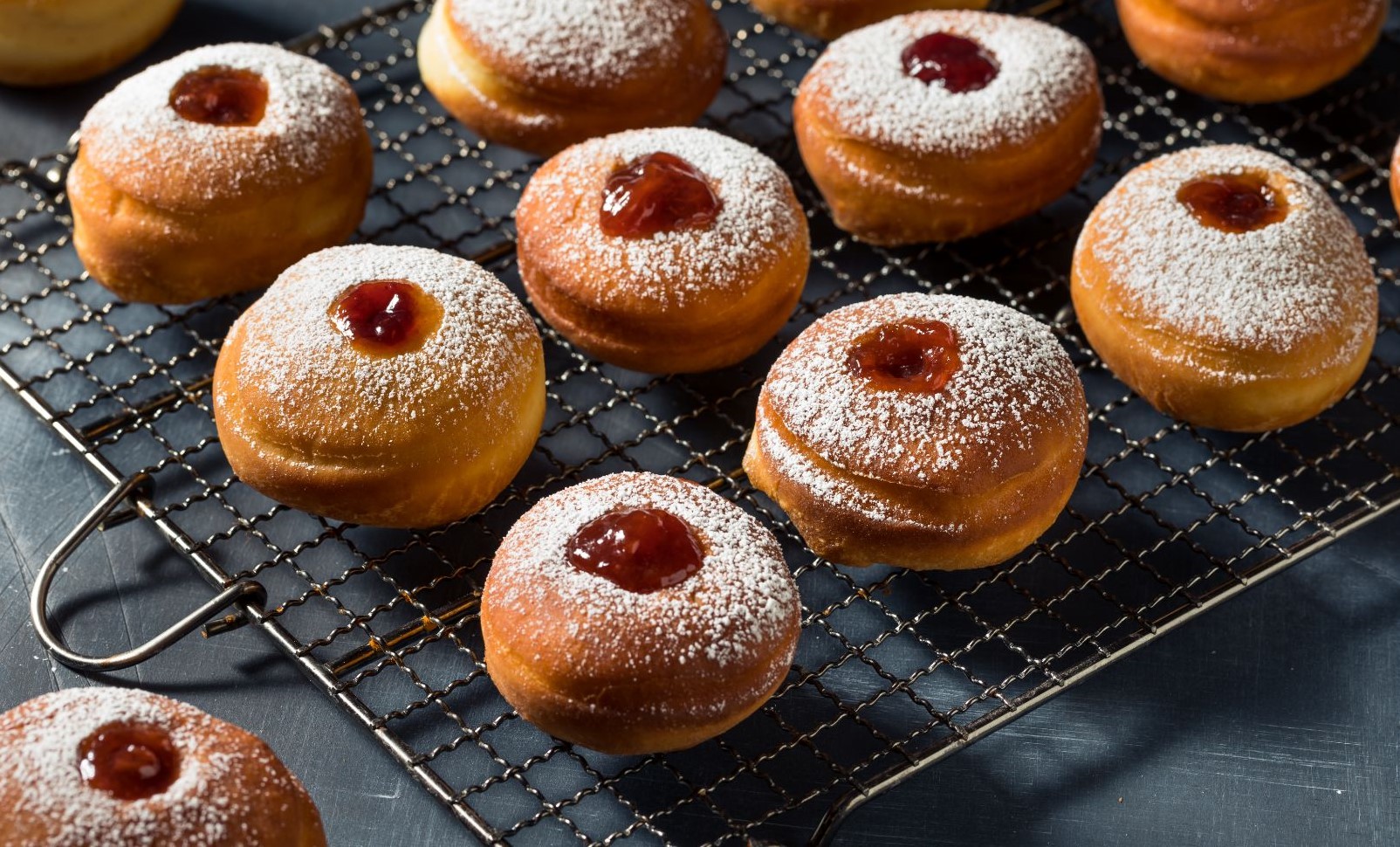
Sufganiyot (Israeli Jelly Doughnuts)

The Israeli Hanukkah classic, sufganiyot are pillowy fried doughnuts, most commonly filled with jelly and dusted with powdered sugar. Every bakery in Israel creates their own special versions during Hanukkah!

Ingredients:

  • 3 1/2 cups all-purpose flour
  • 1/4 cup sugar
  • 2 1/4 teaspoons (1 packet) active dry yeast
  • 3/4 cup warm water
  • 3 egg yolks
  • 3 tablespoons vegetable oil
  • 1 teaspoon vanilla extract
  • 1/2 teaspoon salt
  • Vegetable oil for frying
  • 1 cup strawberry or raspberry jam (or your favorite filling)
  • Powdered sugar for dusting

Instructions:

  1. Make the dough: In a large bowl or stand mixer, combine flour, sugar, and yeast. Add warm water, egg yolks, vegetable oil, vanilla, and salt. Mix until a soft, slightly sticky dough forms. Knead for 5-7 minutes until smooth and elastic.
  2. First rise: Place dough in a greased bowl, cover with a damp towel, and let rise in a warm place for 1-2 hours until doubled.
  3. Shape the doughnuts and rise again: Roll dough out on a floured surface to about 1/2 inch thickness. Cut out circles using a 3-inch round cutter. Place circles on parchment paper, cover lightly, and let rise for another 30 minutes.
  4. Heat the oil: Pour about 2-3 inches of oil into a heavy pot and heat to 350°F.
  5. Fry the doughnuts: Carefully slide 2-3 dough circles into the hot oil. Fry for about 2 minutes per side until golden brown. The doughnuts should puff up beautifully. Remove with a slotted spoon and drain on paper towels. Let cool completely.
  6. Fill and finish: Once cooled, use a piping bag fitted with a long tip to inject jelly into the center of each doughnut. Insert the tip into the side and squeeze gently until you feel the doughnut fill up. Dust generously with powdered sugar.

Tips for Perfect Sufganiyot:

  • Don't skip the second rise after shaping - this is what makes them fluffy!
  • Use a thermometer to maintain consistent oil temperature
  • Let the sufganiyot cool completely before filling
  • Try different fillings: chocolate, custard, dulce de leche, or Nutella
btn
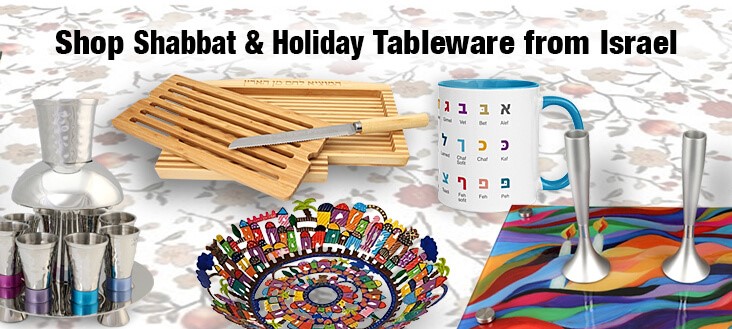
Tableware from Israel
More About Traditional Hanukkah Foods
AdobeStock_545259552

The Meaning Behind Traditional Ingredients

Oil is the star of traditional Hanukkah foods, and for good reason - it's the miracle itself! Whether you're frying latkes, sufganiyot, or sfenj, that golden oil sizzling in your pan connects your kitchen directly to the Temple menorah that miraculously burned for eight days. Every bite of crispy, oil-kissed Hanukkah food is a delicious reminder that sometimes a little can become so much more than we expect.

Potatoes became central to Ashkenazi Hanukkah traditions for practical reasons: they were affordable, abundant in Eastern Europe, and could feed large families. But they also represent resilience and adaptability. Just as the Jewish people have thrived in different lands and circumstances, the humble potato transforms into something extraordinary when prepared with care and tradition.

Sugar and sweets add another layer of meaning to Hanukkah foods. The powdered sugar dusting on sufganiyot and the sweetness of honey drizzled over sfenj remind us that even in dark times, when the Temple was desecrated and religious freedom was threatened, sweetness can return. These treats celebrate not just survival, but joy, and the promise that darkness always gives way to light.


How Families Around the World Keep These Recipes Alive

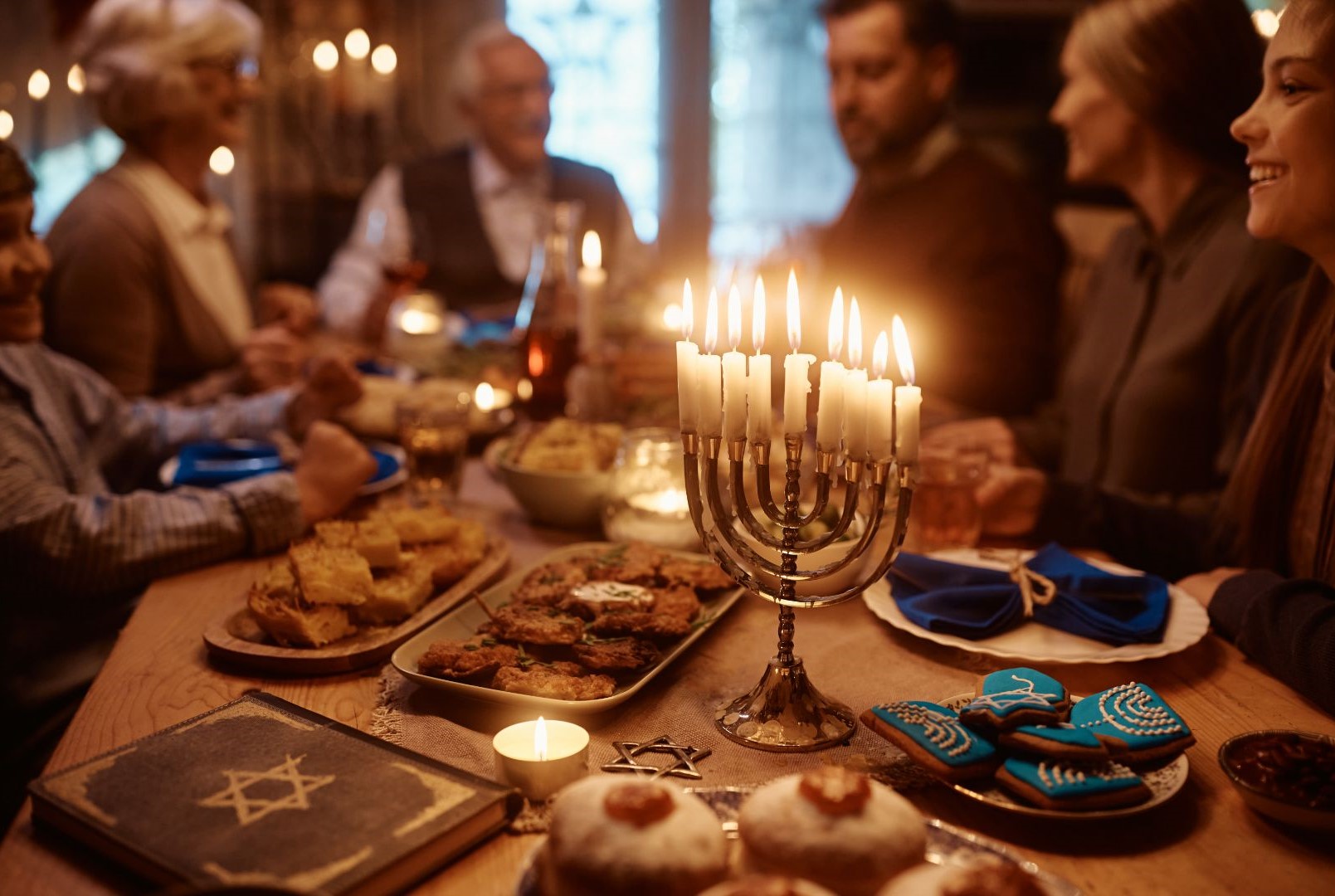
From Brooklyn to Buenos Aires, Tel Aviv to Toronto, Jewish families are frying latkes and sufganiyot every Hanukkah, keeping centuries-old traditions alive in their own kitchens. Grandmothers pass down the secret to extra-crispy latkes (squeeze those potatoes dry!), while Israeli bakeries compete to create the most innovative sufganiyot fillings. Moroccan families gather to make sfenj, with children helping to shape the dough rings just as their ancestors did generations ago.

What makes these traditions so powerful is their adaptability. Some families stick to classic recipes handed down through generations, while others add their own twists - creative substitutions like sweet potato latkes, beet latkes, gluten-free versions, or sufganiyot filled with salted caramel. Whether you're faithfully following your grandmother's recipe card or trying something new, you're participating in an unbroken chain of Jewish culinary tradition. Every time you light the oil in your pan, you're not just making a holiday dinner - you're keeping the Hanukkah miracle alive, one delicious bite at a time.
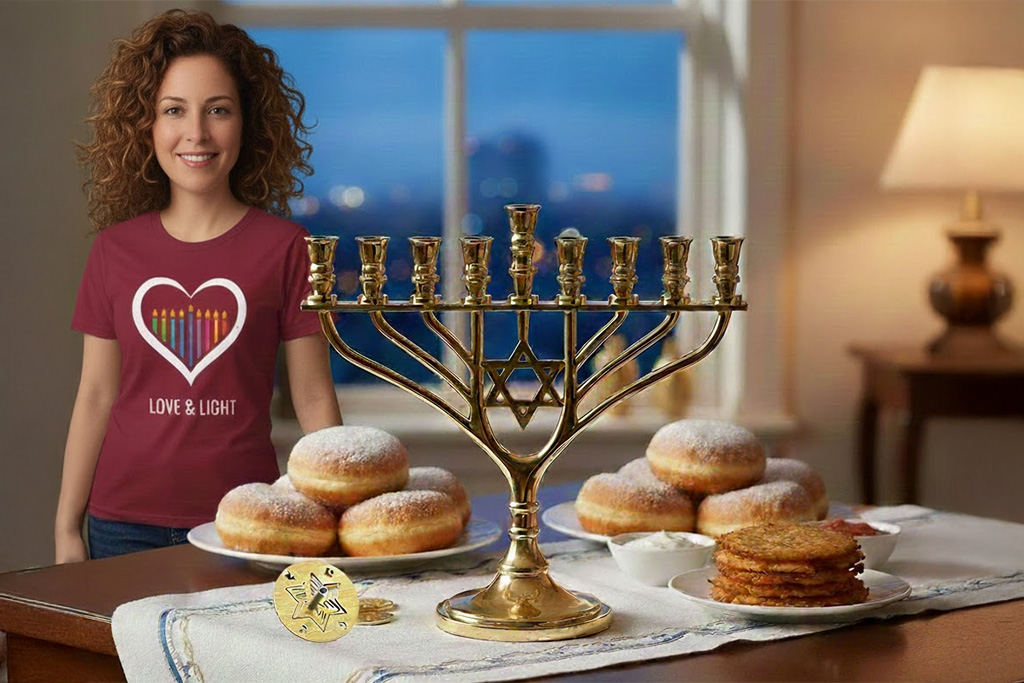


Light Up Your Hanukkah Celebration

Now that you know the stories behind these beloved dishes, it's time to gather your family and start cooking! Whether you're making crispy latkes or surprising everyone with homemade sufganiyot or sfenj, these recipes will make your Festival of Lights even more special.

Ready to celebrate in style? Don't forget to browse our stunning collection of Hanukkah menorahs and candles to light your eight nights, beautiful Jewish tableware and serving pieces for your holiday table, and meaningful Hanukkah gifts and Hanukkah apparel for everyone you love.

Make Hanukkah unforgettable with something special from Israel!

Chag Hanukkah Sameach - Happy Hanukkah!

btn
hanukkah-shirts_CATEGORY_MOBILE_1

JWS POST YOU MAY LIKE

Passover 2026 all you need to know
Passover 2026: The Complete Guide
Whether you’re planning your first Seder or refreshing your family traditions, this Passover guide walks you through every step. Explore
Israeli Air Force 2026 Adir
Inside the Israeli Air Force 2026: Innovation in the Skies
From stealth fighters and laser defense to record-breaking pilots, take a look inside the Israeli Air Force in 2026 and
Seder table
First Night of Passover 2026: All You Need to Know
When Is Passover 2026? Passover (Pesach) follows the Hebrew calendar and begins on the 15th of Nisan. This year, it
The River Nile
The Exodus from Egypt: Why It Could Only Have Happened There and Then – By Dr. Liora Ravid
The Exodus from Egypt is remembered above all for the great and amazing miracles that God performed for the Israelites
Boy eating matzah
Matzah: Everything You Need to Know About Passover's Most Important Food
It is made from just two ingredients. It takes eighteen minutes to prepare. It has no flavor that would make
Passover seder plate with vegan options
How to Make a Vegan Seder Plate with Traditional Alternatives
Creating a vegan Seder plate is easier than you might think. Four traditional Seder foods are already plant-based. Discover the