Why We’re Remembering the First Jewish Exile from Israel
Asarah b’Tevet, or the 10th of the Hebrew month of Tevet, falls on January 10, 2025, and is a solemn occasion on the Jewish calendar, marked by some in the Jewish community with mourning, fasting, and repentance.
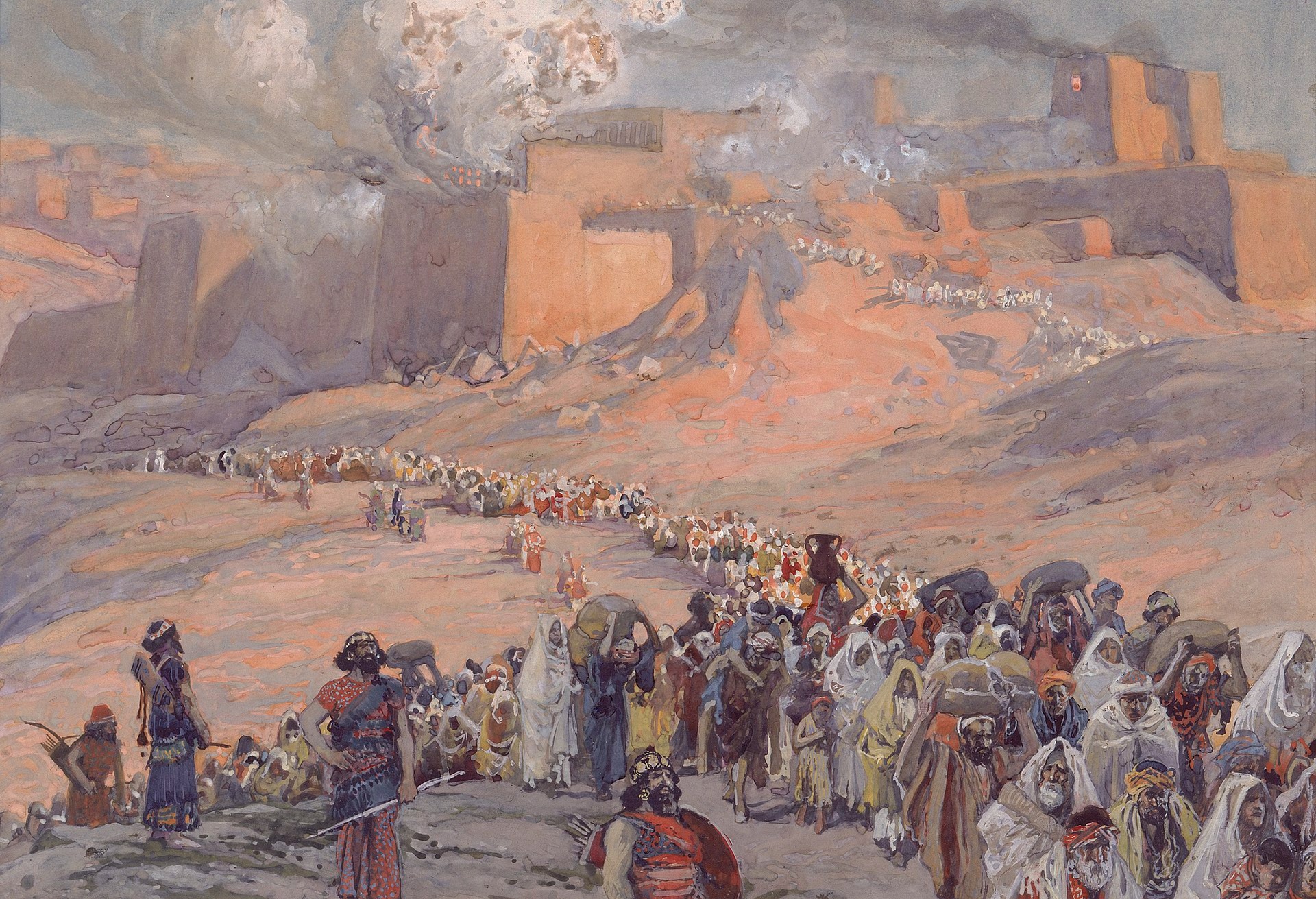
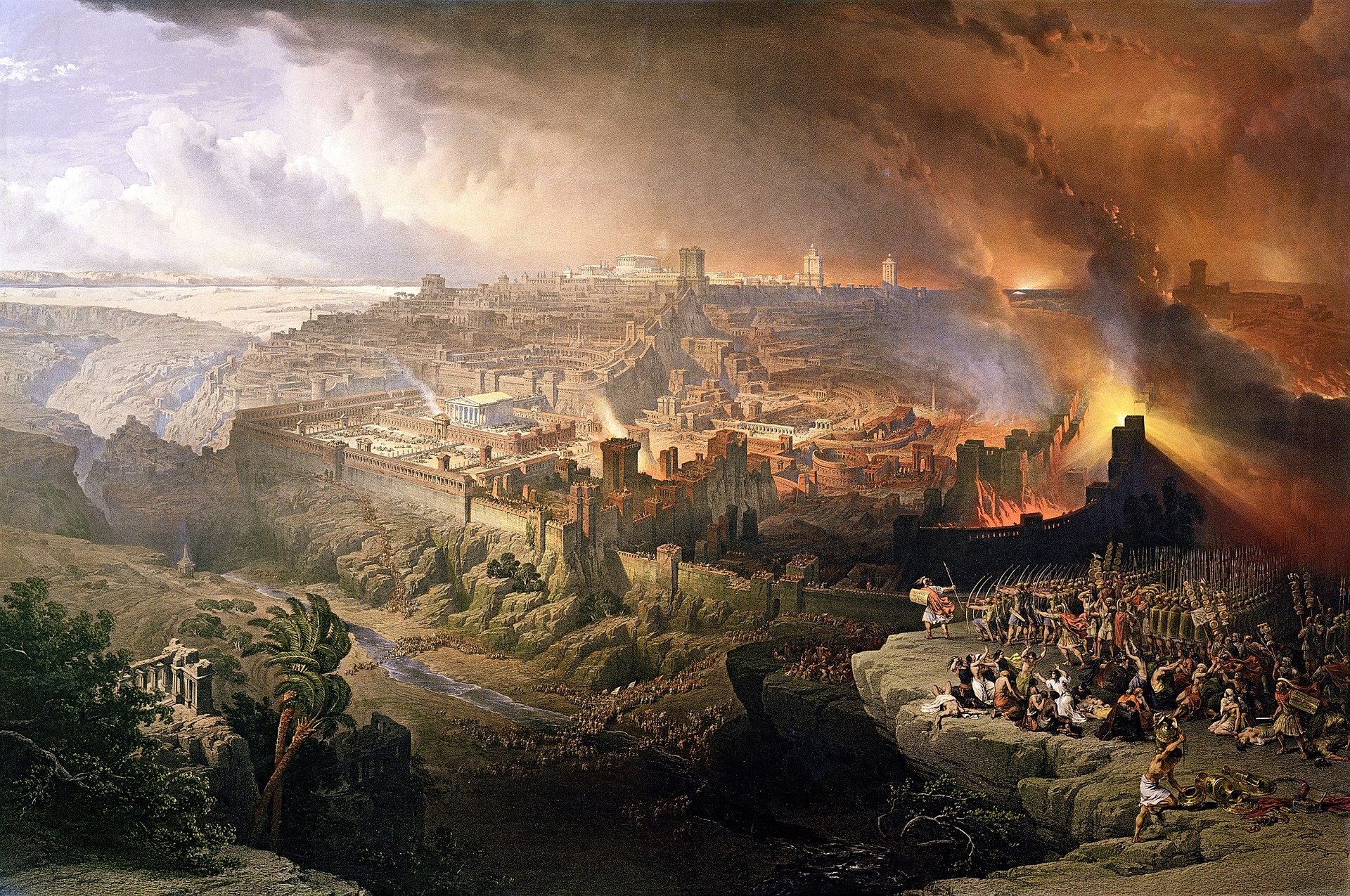
The day commemorates the anniversary of the beginning of the Babylonian siege on Jerusalem that would ultimately destroy the First Temple and force the first mass Jewish exile from the Land of Israel.
Today it’s an important day for honoring our Jewish history, and many rabbis have called on using the day to also mourn victims of more recent Jewish calamities as well, including the Holocaust and the October 7, 2023 Hamas massacre in Israel.
Read on to learn more about this poignant day and its historical background!
Artist's depiction of the Babylonian army burning down the First Temple and exiling the Jews from the Land of Israel
Biblical Background
We get this somber date as well as the events surrounding it from the Bible, and Jews have been marking it for over two thousand years!
The Book of Kings (II Kings 25:1-2) describes the siege on Jerusalem led by Nebuchadnezzar, the king of Babylon, which we now know started in the year 588 BCE, as well as the timing: The Holy City was attacked on the 10th day of the 10th Hebrew month Tevet (in Hebrew Asarah b’Tevet), and the siege lasted 30 months, with the Holy Temple ultimately destroyed on the 9th of Av in the year 586 BCE.
This put an end to Jewish sovereignty in the Land of Israel, with the Jews forced into exile in Babylon.
The book of Zechariah (8:19) is the first to refer to a “fast of the 10th month,” and though the exact date is unclear, the Talmud concludes the fast must be on the 10th day, when the siege on Jerusalem began.
The prophets Ezekiel (24:1-2) and Jeremiah (52:4-6) refer to the Babylonian siege on the Holy City as well, with the latter describing a great famine in connection to the attack.
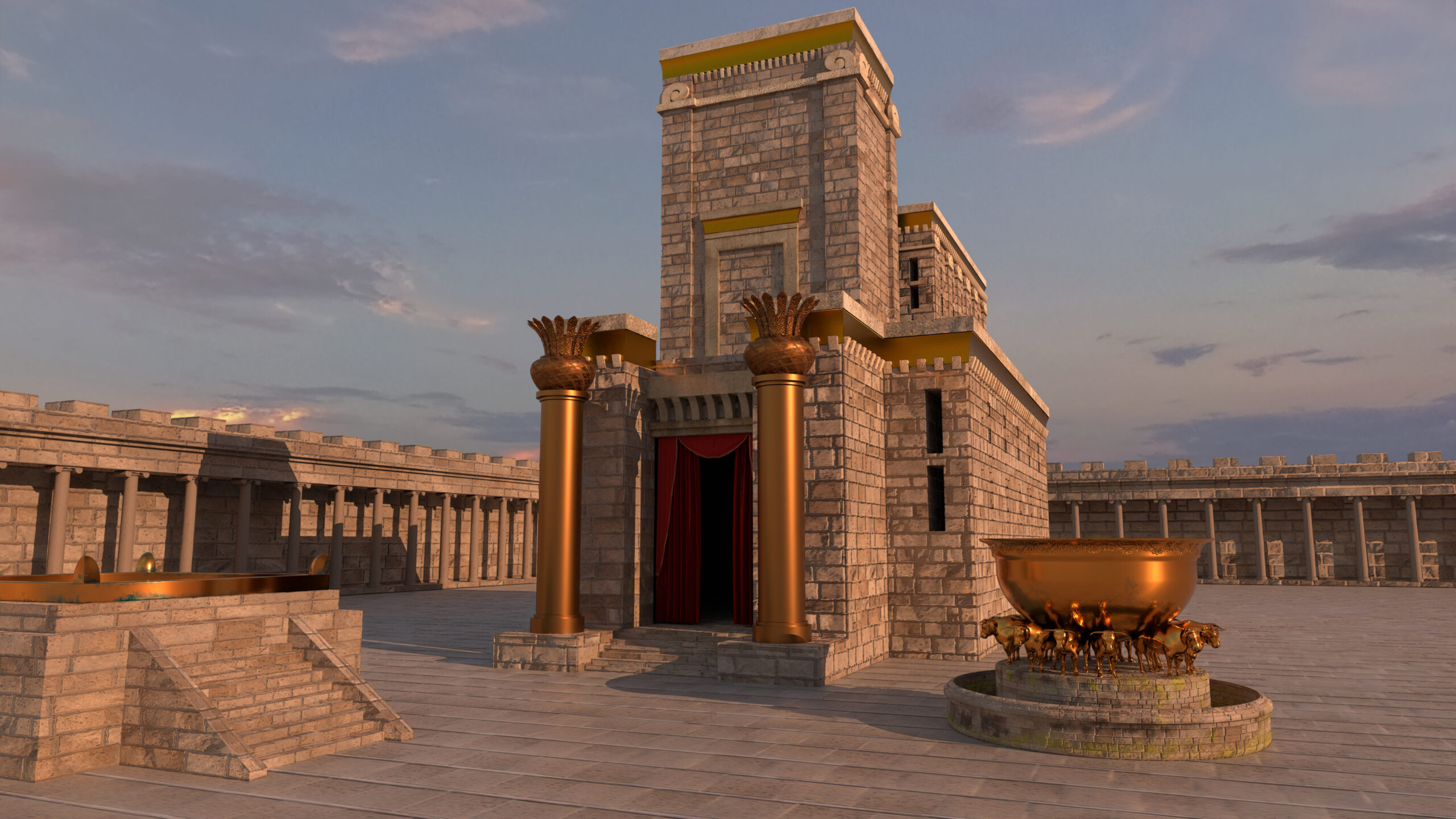
The first Holy Temple built in Jerusalem, known as Solomon’s Temple and also commonly called the First Temple, was built in 957 BCE under King Solomon’s reign and stood until its destruction by Nebuchadnezzar’s army in 586 BCE.
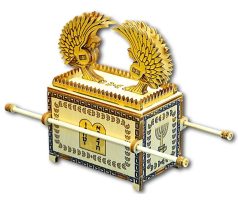
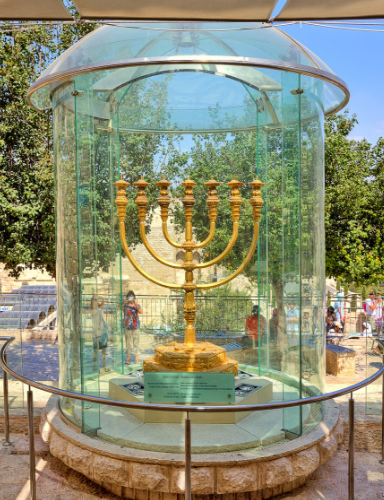
The Hebrew Bible describes the First Temple’s construction and dedication, what worship looked like, and how it was ultimately destroyed by the Babylonian army. We also have Biblical descriptions of several special ritual items that were necessary for worship in the Temple, such as the Menorah, the Holy of Holies, the Ark of the Covenant and the Ten Commandments tablets, and fragrant incense spices.
Modern model of the Ark of the Covenant from the Holy Temple in Jerusalem
The Temple was a magnificent and important structure that was the focal point of Jewish worship and culture. Unfortunately, nothing of the original structure has survived the Babylonian destruction. When the Jews were allowed to return to Jerusalem decades later and reestablish their place of worship, they had to completely rebuild the Temple; the new building became known as the Second Temple and was completed around 516 BCE.
Asarah b’Tevet is still marked on Jewish calendars today and is remembered by many Jews around the world, particularly in more traditionally observant communities. This year it falls on Friday, January 10th.
The traditional way to commemorate this poignant day is through fasting – by refraining from all food and drink from daybreak until nightfall – as well as with personal repentance and mourning. We grieve over the destruction of Jerusalem and remember all the Jews who suffered violence and exile as a result of the Babylonian attack that started on this day.
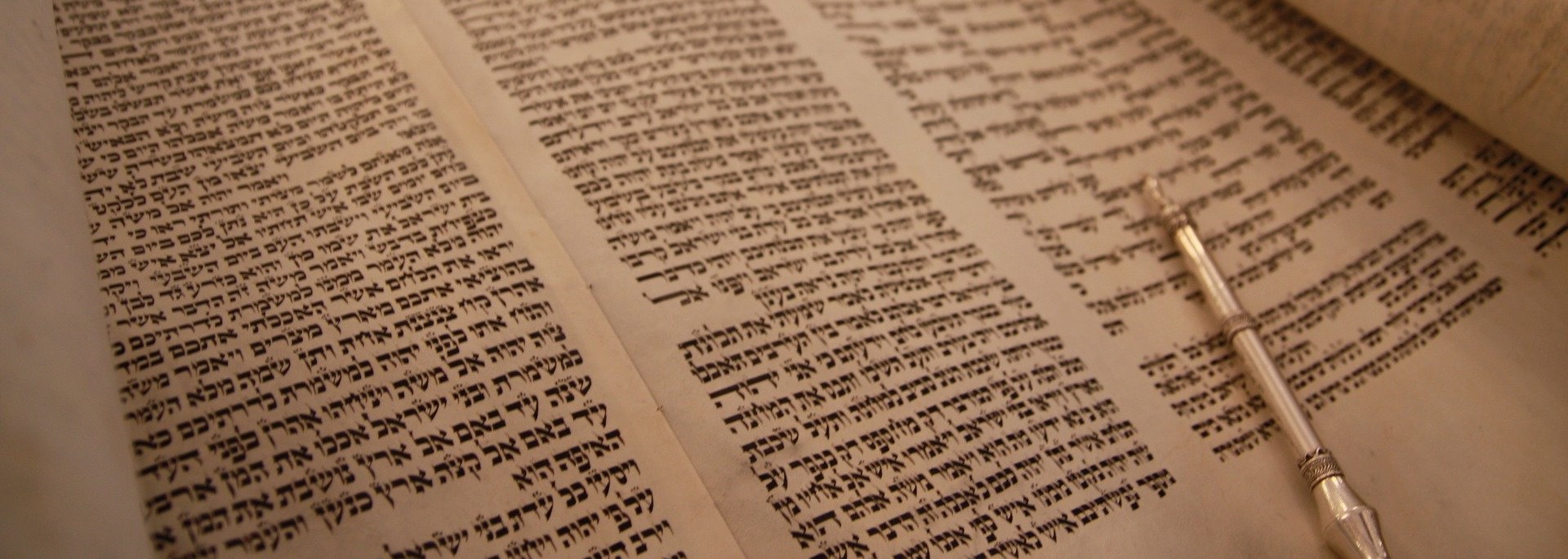
It is also customary to read from the Torah and recite special prayers in addition to the regular daily prayer service, such as the penitentiary selichot prayers asking for Divine forgiveness.
Since this is a “minor” fast according to Jewish law, it is not a full 25 hours (like Yom Kippur or Tisha b’Av) and it is not considered quite as serious – not as many Jews observe it, and there are many rabbinic exemptions such as for health reasons.
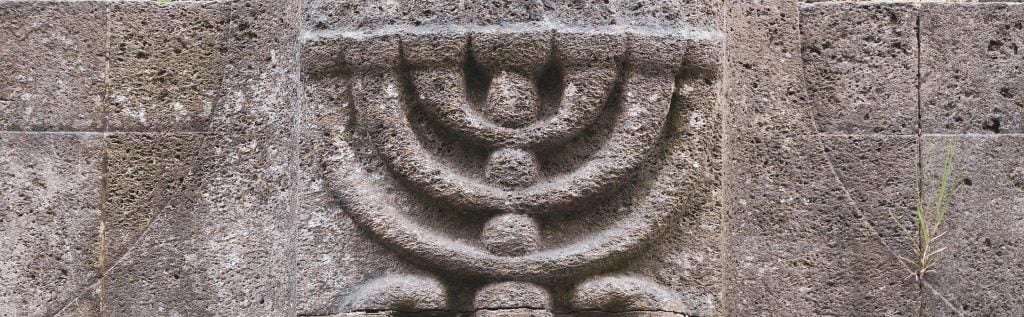
Replica of the original Menorah that stood in the First and Second Temple, created by Israeli historians
Nonetheless, whether you’re fasting or not, the 10th of Tevet – or January 10th on the secular calendar – is a great opportunity to reflect, perhaps say a few additional prayers, and remember the City of Jerusalem and the powerful symbolism and meaning of our ancient Temple!